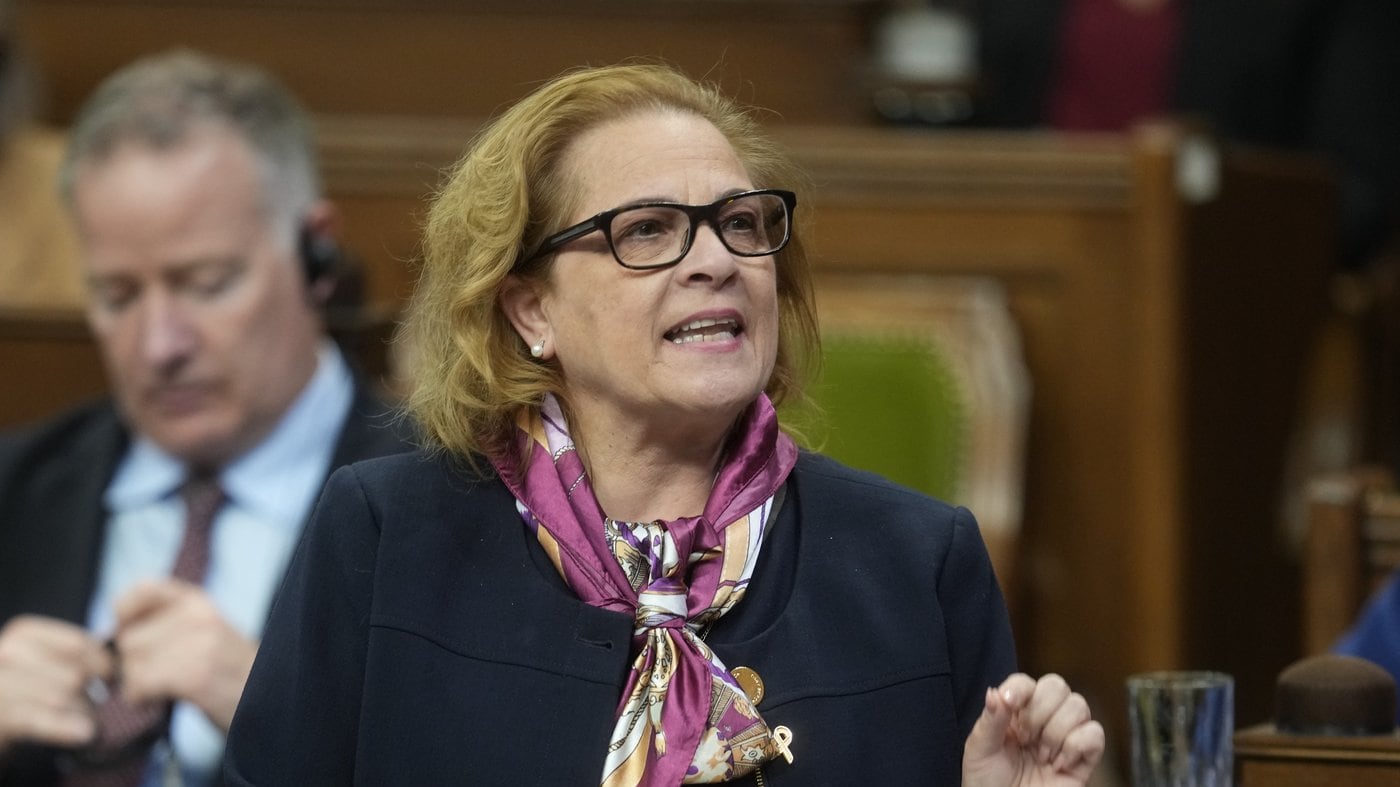
OTTAWA — The Immigration Department will monitor for any negative effects from a recent decision not to extend a policy that gave permanent residency sponsorship exemptions to some refugees, Immigration Minister Lena Diab said Wednesday.
The policy was introduced in 2019 to allow some refugees to sponsor some undeclared family members for permanent residency but it expired earlier this month and was not renewed.
“It predated my election as well as ministry. And when it ended, it simply ended,” Diab said on her way into the weekly Liberal caucus meeting Wednesday.
“The department is looking at it right now, and we’ll do briefings and see if there’s any consequences that have arisen out of it ending that we need to fix, we will.”
The Immigration Department previously said the policy was dropped because of “potential integrity concerns” but refused to explain what those were, or to state whether some applicants had misused the policy.
“I respect the department’s findings that there are integrity concerns, and they are looking to ensure that we did not and we will not affect or people that we should be helping the wrong way. So we will be looking at it,” Diab said.
Advocates and academics say the policy was used primarily to sponsor children and LGBTQ+ partners and a previous department review said some refugees have legitimate reasons for not declaring a family member.
Lawyers and advocates say a refugee might not have declared a dependent child because the child was born in a refugee camp after the initial paperwork had been filed. In other cases, they said, a family might learn afterward that a child believed dead was actually alive.
All permanent residency applicants are required to list all family members and are permanently barred from later sponsoring any undeclared family.
The department has said it will consider applications for exemptions on a case-by-case basis through humanitarian and compassionate applications.
But refugee lawyers and advocates point out the department’s own website shows the current wait time for humanitarian and compassionate applications runs to more than 10 years.
The Canadian Council for Refugees has called on Diab to reverse the decision not to extend the policy. In a letter sent earlier this month, the council said the decision to revert to “the cruelty of the previous situation” was “inexplicable.”
A department memo issued ahead of the 2023 extension of the policy described its program integrity risk as “minimal.”
This report by The Canadian Press was first published Sept. 23, 2026.
David Baxter, The Canadian Press

