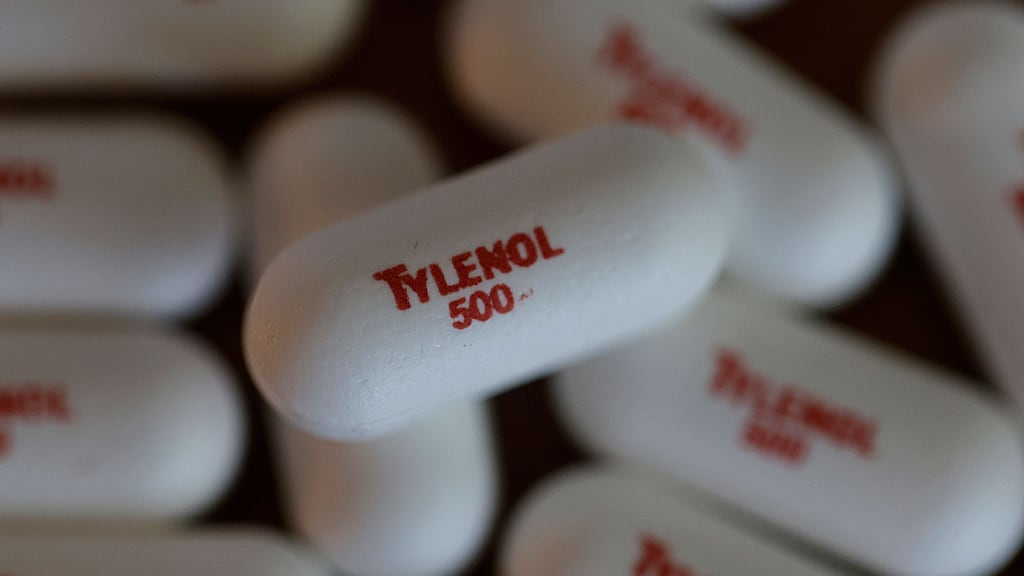
After a woman died of severe hepatitis caused by an accidental Tylenol overdose at her home, a Quebec coroner is recommending reducing the size of over-the-counter containers.
Coroner Dr. Edgard Nassif’s report says that a relative of the 81-year-old single woman living in Dorval called 911 on July 1 after noticing that the woman was confused.
The woman’s name is redacted in the report.
Paramedics arrived to find her confused about the time of day and transported her to the Centre hospitalier de l’Université de Montréal (CHUM)’s emergency department, where she was treated for hypoglycemia.
After more tests, doctors found she had severe liver damage and was developing hepatic encephalopathy, a decline in brain function due to liver dysfunction.
Due to her declining health, the woman’s family opted for palliative care over aggressive medical treatment, and she died on July 5.
The woman, according to the report, suffered from high blood pressure and dyslipidemia (unbalanced cholesterol or triglyceride levels) and struggled with alcoholism.
However, she was independent, had friends, and a close relative spoke with her every day.
Acetaminophen poisonings rising
Health Canada says that acetaminophen (the ingredient in Tylenol and other pain relievers) poisoning can occur when the product is used longer than recommended or a user takes more than the maximum recommended daily dose (four grams per day).
“While acetaminophen is broken down by the liver, if you take too much, it can build up and become toxic,” Health Canada says. “A buildup of acetaminophen can cause a form of liver injury called drug-induced hepatitis. If severe enough, it can affect the way your liver works or even cause your liver to stop working.”
Health Canada adds that around 4,500 hospitalizations in the country are the result of acetaminophen overdoses, and around 700 of those were reported as accidental or unintentional.
The Quebec Poison Control Centre said that in 2025, there were 3,562 acetaminophen poisoning cases and 5,696 cases involving multiple drugs, including acetaminophen.
The centre says that number has been steadily increasing since 2022.
About six per cent of the total cases in Canada result in liver injuries, including liver failure, which could lead to the need for a transplant or death.
Tests revealed fulminant hepatitis in the Dorval woman when admitted at the CHUM. Her chronic alcohol consumption may have led to a lower tolerance threshold for the medication, the report says.
“Furthermore, taking other medications can increase the risk of poisoning,” the coroner’s report says. “A relative found an empty acetaminophen bottle in her apartment ... It is highly likely that (the woman) took several acetaminophen tablets without realizing it or remembering the time interval between doses. Her memory lapses and alcohol consumption may have contributed to an uncoordinated ingestion of acetaminophen.”
Smaller bottles
The coroner’s report points out that, though deaths like the Dorval woman’s are not common, the “costs and long-term effects resulting from poisoning can be significant.”
Nassif writes that North American research shows excessive acetaminophen consumption is the leading cause of liver failure and that England enacted legislation limiting the size of over-the-counter packaging, “which has reduced the number of deaths caused by this medication by 43 per cent, as well as reducing the number of hospitalizations and liver transplants.”
In 2016, Health Canada changed its labelling standards with clearer instructions and stronger warnings to help consumers use the pills more safely.
Nassif recommends that Health Canada “study the effectiveness of reducing the size of over-the-counter and pharmacy-sold acetaminophen containers to assess its potential to reduce accidental or intentional poisonings.”

