


Your cellphone may contain years of personal conversations, photos, emails and social media activity. But when you cross the U.S. border, immigration lawyers say you should be prepared for the possibility that a border officer could look through it.
A recent decision by the U.S. Court of Appeals for the Second Circuit has brought renewed attention to the issue, after the court ruled that the U.S. government does not need reasonable suspicion to conduct a cellphone search at the border.
The case involved a traveller whose cellphone was searched at John F. Kennedy International Airport in New York City. But for Canadians, the broader question is what the ruling means when heading south.
CTVNews.ca reached out to immigration lawyers for advice on the matter for Canadians.
Cellphone searches have been happening for years
Toronto-based lawyer Joel Sandaluk said U.S. border officers have had broad authority to examine electronic devices for a long time, but the practice has become more common.
“It’s not new. This was the change in policy from the U.S. border officers from January of 2026. It allowed for broader powers to search electronic devices like cell phones, laptops, anything of that nature, and it no longer requires that there be any kind of reasonable suspicion,” he told CTVNews.ca in a video interview Thursday.
Sandaluk added the increased use of those powers is something immigration lawyers now warn clients about before they travel. He said searches can happen at a land border, or at a Canadian airport where U.S. customs and immigration processing takes place before a traveller boards a flight.
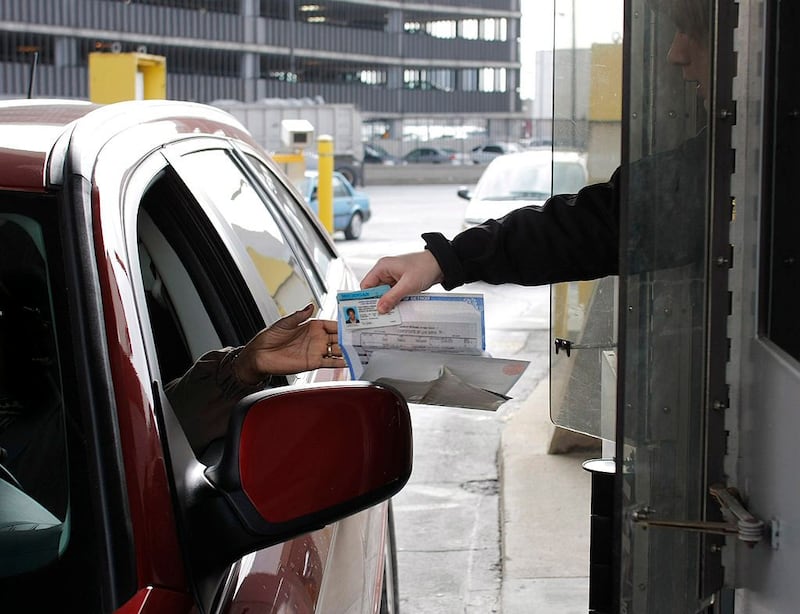
What could border officers be looking for?
According to Sandaluk, a cellphone search can involve looking at someone’s social media, text messages and emails.
He said officers may be looking for information that raises questions about whether a traveller is actually coming to the U.S. for the reason they have stated.
“It includes searches of social media for indications of ... something that could lead an officer to a conclusion that the person is not a genuine visitor, but actually intends to work or remain in the United States indefinitely.”
Sandaluk also said there’s no limit to what the border officers can look for in a traveller’s cellphone.
“They can look ... any tiny corner of the phone they want to.”
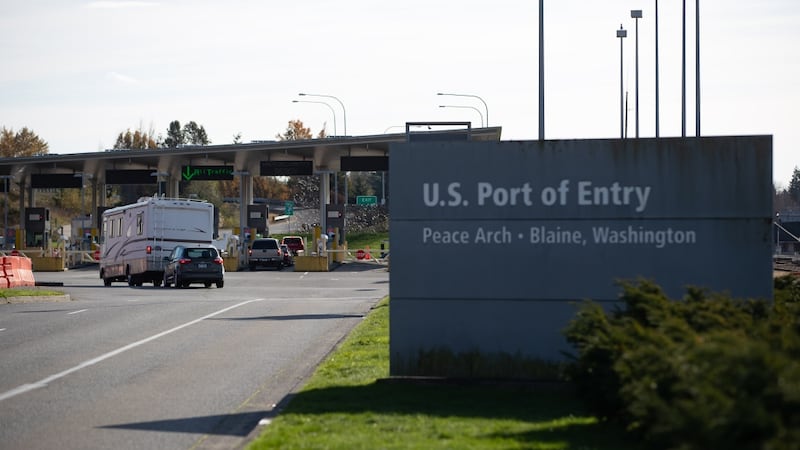
Refusing search may deny you entry
Washington state immigration lawyer Leonard D.M. Saunders also told CTVNews.ca there is an important distinction between refusing to provide access to a cellphone and being allowed to enter the United States.
He said travellers can refuse to provide their password, but officers can consider their device “uninspectable.”
“And if you’re deemed uninspectable, you will not be allowed into the United States.”
Saunders also said cellphone seizures can happen, although he described them as “rare”.
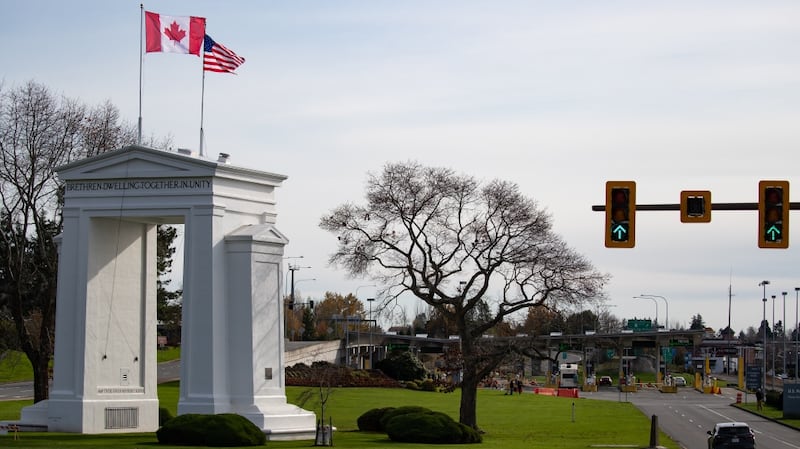
Travellers should think about what’s on their phones
For Canadians concerned about their privacy, Saunders said the simplest option is to avoid bringing a device containing sensitive personal information.
“I always tell Canadians: if you’re concerned about anything being read or any photos being looked at on your phone, just don’t bring that device with you,” he said.
He acknowledged that is increasingly difficult, because so much of everyday life is tied to a cellphone.
Sandaluk’s advice is to approach the border and be prepared for the possibility of an examination, and to be truthful about the purpose of the trip.
“It’s trite to say that honesty is the best policy, but it really truly is,” he said.
Sandaluk also advises travellers to be prepared to answer questions and remember that a cellphone can be examined, just as other belongings can be inspected.
“Know that your device may be examined just as easily as your suitcase, and that you shouldn’t have anything in there that you’re not prepared to have an officer examine.”

