ST. JOHN’S – For weeks, Jonathan Hemi’s Crystal Head Vodka rushed to move as much product onto American soil as they could – even if that meant pre-paying U.S. tariffs and taxes for products that had yet to find a buyer.
It was a rush to get into American ports that saw many participants across Canada driving prices for trucking and storage higher.
But Hemi said his company managed to move “a couple of months’ worth of product into unbonded, post-customs warehouses – giving American retailers some time before the product on their shelves runs out.
“It’s definitely cost us more money, and we did as best as we can,” Hemi said Tuesday afternoon, the first day of U.S. President Donald Trump’s new ban on Canadian alcohol that froze further shipments into the United States. “A couple months of inventory at best. But that’s all we can do. Very, very frustrating.”
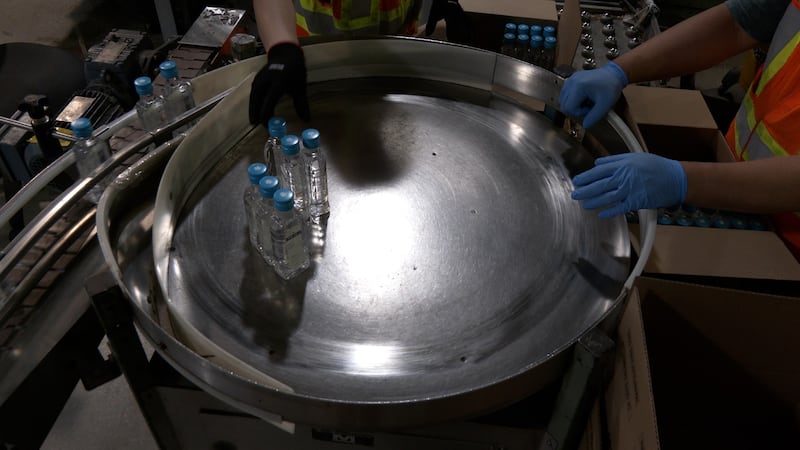
After a big push to get product into the United States, Canadian alcohol makers are now stuck in wait-and-see mode. Hemi says Crystal Head doesn’t currently have any production scheduled at the Newfoundland and Labrador Liquor Corporation plant – and while Europeans are sympathetic to Canada’s plight, they’re not buying much vodka.
“Canadian Vodka is being treated like Cuban cigars,” added Steve Ciccolini, president of Iceberg Brands Corporation.
Ciccolini said his business had products frozen in American warehouses, because they hadn’t yet fully cleared customs at 12:01 a.m. ET Tuesday morning.
“It’s just odd, we don’t have a playbook for this, to be honest,” Ciccolini said. “We’re dealing with our customers down south and we’re sort of asking for a reprieve for a little while.”
U.S. customers are big buyers for Canadian distilleries. Industry group Spirits Canada wrote in a statement this month that 50 per cent of Canadian production is “tied to demand in the United States,” and 93 per cent of all exports head south of the border.
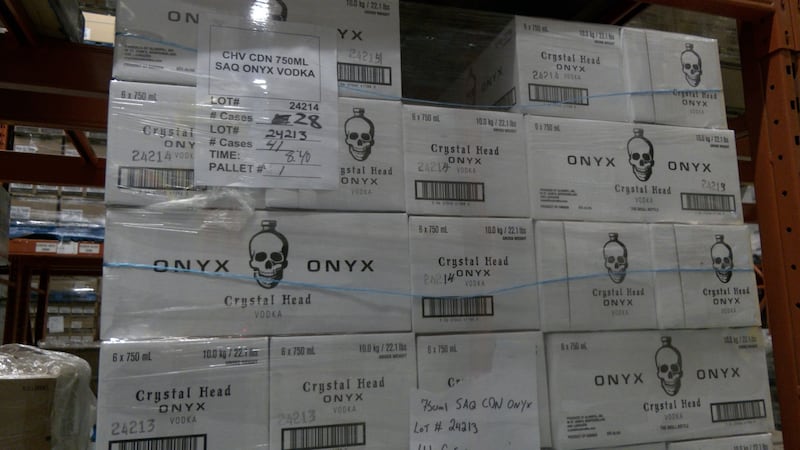
Trying to pivot away from a giant customer has proved challenging – even if there have been clear signs the U.S. administration is unhappy with Canadian alcohol flowing south.
“From a premium standpoint, I think they’re probably four or five times bigger than the next biggest economy,” Hemi said.
It’s particularly troubling to Hemi and Ciccolini that American retailers may decide they don’t want to wait for Ottawa and Washington to hammer out a new trade deal. Instead, those businesses could simply find a new vodka maker to fill their shelves.
“I don’t think that our customers are going to hold this against us,” Ciccolini said. “But at the end of the day, business is business.”
Hemi said it’s time for Prime Minister Mark Carney to meet with Trump personally.
“I think they got to get rid of all the delegations and just get the two of them in a room and work something out, because then you don’t have any broken telephone,” he said. “There’s nowhere to hide.”

