

An estimated one in eight cancer cases worldwide were caused by infections in 2024, new research suggests.
In a study published Monday in The Lancet Oncology, experts found that infections were behind an estimated 2.3 million new cancer cases – about 12 per cent of all new cases – in 2024. The study was conducted by International Agency for Research on Cancer (IARC), part of the World Health Organization.
According to researchers, the findings are more comprehensive than previous ones. They found more infectious agents linked to cancer, including HIV and Merkel cell polyomavirus. Moreover, researchers discovered more types of cancers caused by carcinogenic infections, including evidence linking Epstein–Barr virus (EBV) with gastric (stomach) cancer.
“The findings underscore the major role that infection control can play in reducing the global cancer burden,” Dr. Harriet Rumgay, a co-author of the article and a scientist in the Cancer Surveillance Branch at IARC, said in a press release this week. “Despite progress in vaccination and screening, infection-related cancers remain a major global challenge, with the burden falling disproportionately on populations in low- and middle-income countries.”
The study found infection-causing cancer rates were lower in North America while they were much higher in Eastern Asia and sub-Saharan Africa. More than three quarters of infection-related cancers occurred in low- and middle-income countries.
The new research based estimates from the Global Cancer Observatory’s Cancer Today (GLOBOCAN) database.
Karena Volesky, an epidemiologist from Montreal, said the findings show that infections are a “major cause of cancer.”
“They’re really useful because they tell us what infections to target,” Volesky said in a Zoom interview with CTVNews.ca on Tuesday. “It essentially shifts how we think about cancer control.”
When she was a PhD student at McGill University, Volesky did a similar, but smaller study focused on Canada and published in the Preventive Medicine journal in 2019.
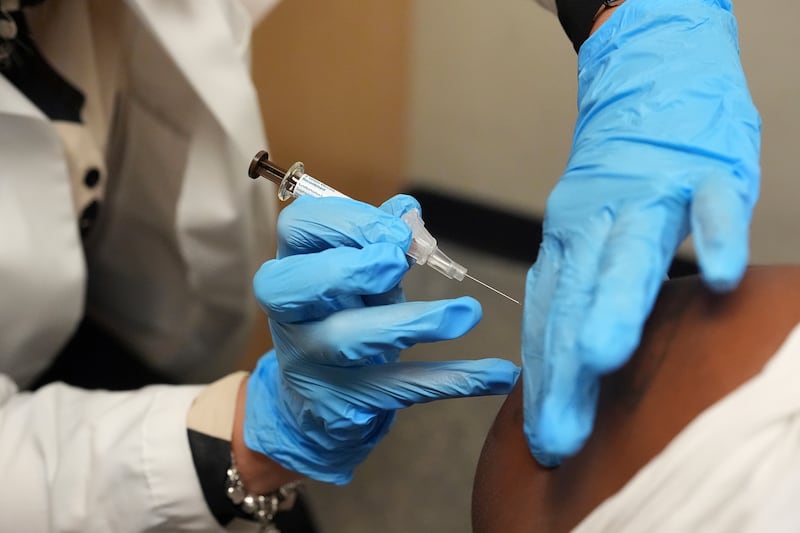
She said public health measures like vaccinations and early screenings not only help with controlling infections but also stop people from contracting them.
“They’re actually some of the most effective cancer-prevention tools we have,” Volesky said. “So, if we want to lower the burden of cancers due to infections in the future, we can either avoid the infection altogether, like you never get it, or we can treat that infection before it develops into cancer.”
Infectious agents behind cancer
The IARC study found that a bacterium called Helicobacter pylori (H. pylori) was the largest cause of cancers in the world with about 760,000 cases, closely followed by human papillomavirus (HPV) with about 750,000 cases. They were among the 12 infectious agents behind new cancer cases.
Other major cancer-causing infections include EBV, the hepatitis B virus (HBV) and hepatitis C virus (HCV).
Volesky’s study found that seven carcinogenic infections caused an estimated 3.7 per cent of cancers diagnosed in Canada – more than 7,000 cases – in 2015. Among the cancer cases, more than half were due to HPV.
Volesky said that HPV was “the most important infectious cause of cancer” in Canada.
Elizabeth Holmes, director of health policy at the Canadian Cancer Society, stressed the need for Canadians to protect themselves against cancer-causing infections, such as by getting vaccinated against HPV or hepatitis B.
“The things we do know is that about 100 per cent of cervical cancer cases are due to HPV, and that’s why it’s so important to get vaccinated against HPV and ensure that you’re going for cervical cancer screening,” Holmes said in a video interview with CTVNews.ca on Tuesday.
Other findings
Another notable finding by IARC researchers is increasing evidence that EBV, which accounted for 260,000 cases, was linked to nasopharyngeal cancer, lymphomas and gastric cancers. EBV is the fourth-largest infectious cause of cancer in the world, according to the study.
Dr. Gary Clifford, a senior co-author of the study, said in the press release that the findings show where investments are needed in “new prevention tools,” especially for EBV, which doesn’t have an effective vaccine.
Existing public health measures can prevent most infection-related cancers, according to researchers. These include getting vaccinated for HPV and HBV, as well as tests and treatment for H. pylori and viral hepatitis. There are also ways to prevent and treat HIV and screen for HPV-related cancers.

