
OTTAWA — Health ministers from across the country say they’re worried about “profound and negative” effects on patients and health-care jobs if federal funding agreements for mental health, addictions and home care are not renewed in this year’s budget.
The ministers met earlier this week, along with their counterparts from finance departments, to talk about the expected loss of $1.2 billion in funding next March.
In a statement released on Thursday, the ministers said they are “united in calling on the federal government to come to the table as a full and committed funding partner and urgently provide certainty that Canadians will continue to have access to the life-saving care and services they need.”
Marion Cooper, president and lead executive officer of the Canadian Mental Health Association, said dedicated mental health and addictions funding over the last decade has led to the creation of programs and services all across the country, from youth programs to early intervention and caregiver support.
“To see any reduction in targeted funding would be problematic and concerning when we know there’s still significant need in our community, even with the current level of funding,” she said.
Cooper said there is a “fairly strong consensus” among different levels of government and advocacy organizations that dedicated funding is needed.
“If it’s included within a broader sort of Canada Health Transfer, our concern is that those resources often don’t necessarily get directed to mental health or to community-based services,” she said.
The health ministers say the end of dedicated funding agreements amounts to a “fiscal cliff” that will have a real impact on patients, and warn there could be job losses in the health sector.
The federal government pledged a total of $200 billion in additional health funding over 10 years in the 2023 budget.
It was intended to help expand access to primary care, reduce surgery backlogs, improve mental health and addiction services and modernize the health system, following widespread issues in health care across the country during and after the COVID-19 pandemic.
Part of that sum — $4.8 billion — was set aside over four years for improvements to home care, community care and mental health and addiction services. That funding is set to end in March 2027.
Another $3 billion in funding meant to improve long-term care safety was set to sunset in 2026, and $1.7 billion for personal support workers wages will be paid out by 2028.
Manitoba Health Minister Uzoma Asagwara told reporters Thursday that Canadians face a “looming fiscal cliff” with “devastating consequences” for health systems.
“We cannot see what would be the largest cut to health care in a generation take place — not during a time where we know that mental health needs are increasing, and Canadians care deeply about having access to the health care they need,” Asagwara said.
“Every single health minister across the country is unified in this.”
Provinces and territories also have raised concerns about the future of the Canada Health Transfer, which is guaranteed to grow each year by five per cent until 2028. The federal budget states that the transfer will grow by a minimum of three per cent per year after that date. Premiers say the five per cent floor must be maintained.
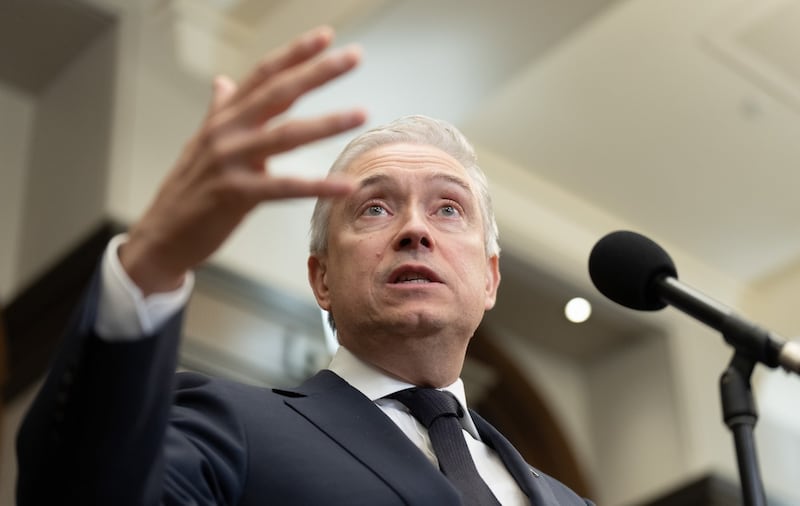
The health ministers said federal Health Minister Marjorie Michel and Finance Minister François-Philippe Champagne declined to take part in this week’s meeting.
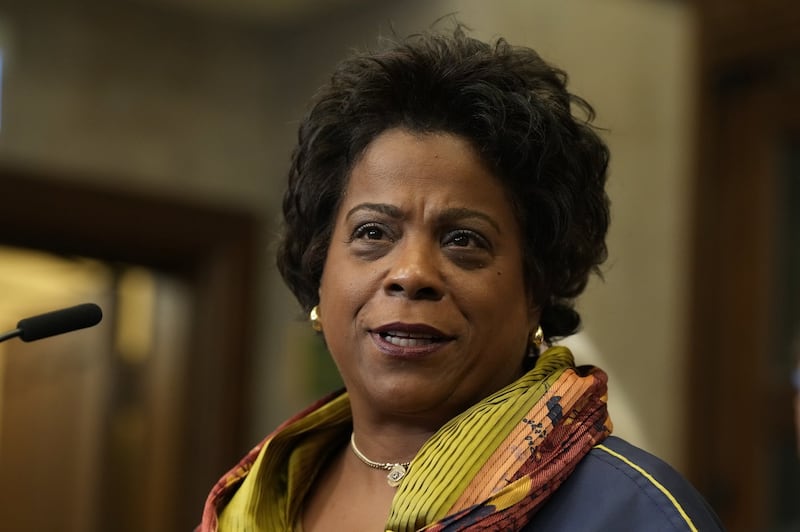
Michel has said since taking office last year that mental health is one of her top three priorities as minister.
She is set to meet with her provincial and territorial counterparts later this month in Winnipeg, and a spokesperson for her office said she intends to approach that meeting collaboratively.
“It is important to note that many government programs and funding commitments are agreed upon for specified periods of time, allowing for the government to periodically review or evaluate their effectiveness before deciding to renew or make changes,” said Alexandre Bergeron, Michel’s spokesperson, in an emailed statement.
Champagne is set to release the Liberals’ latest fiscal plan later this fall.
This report by The Canadian Press was first published Oct. 1, 2026
Sarah Ritchie, The Canadian Press

