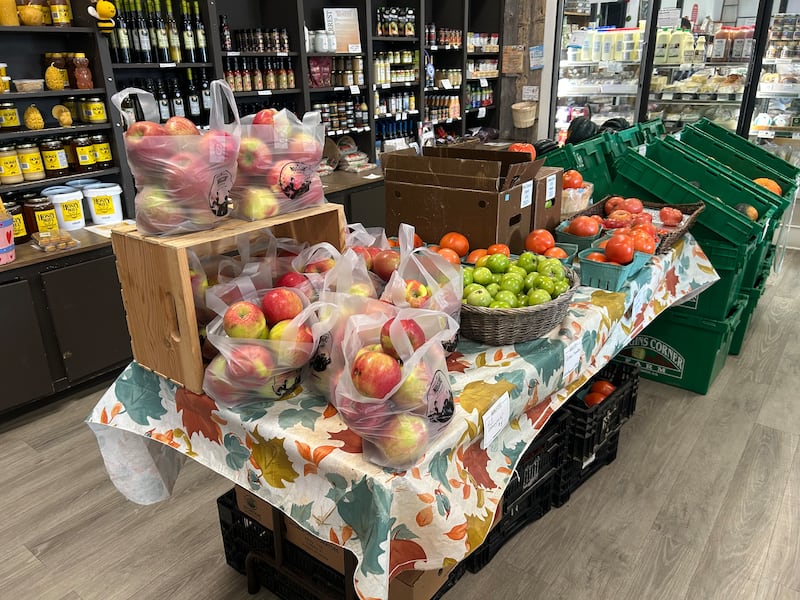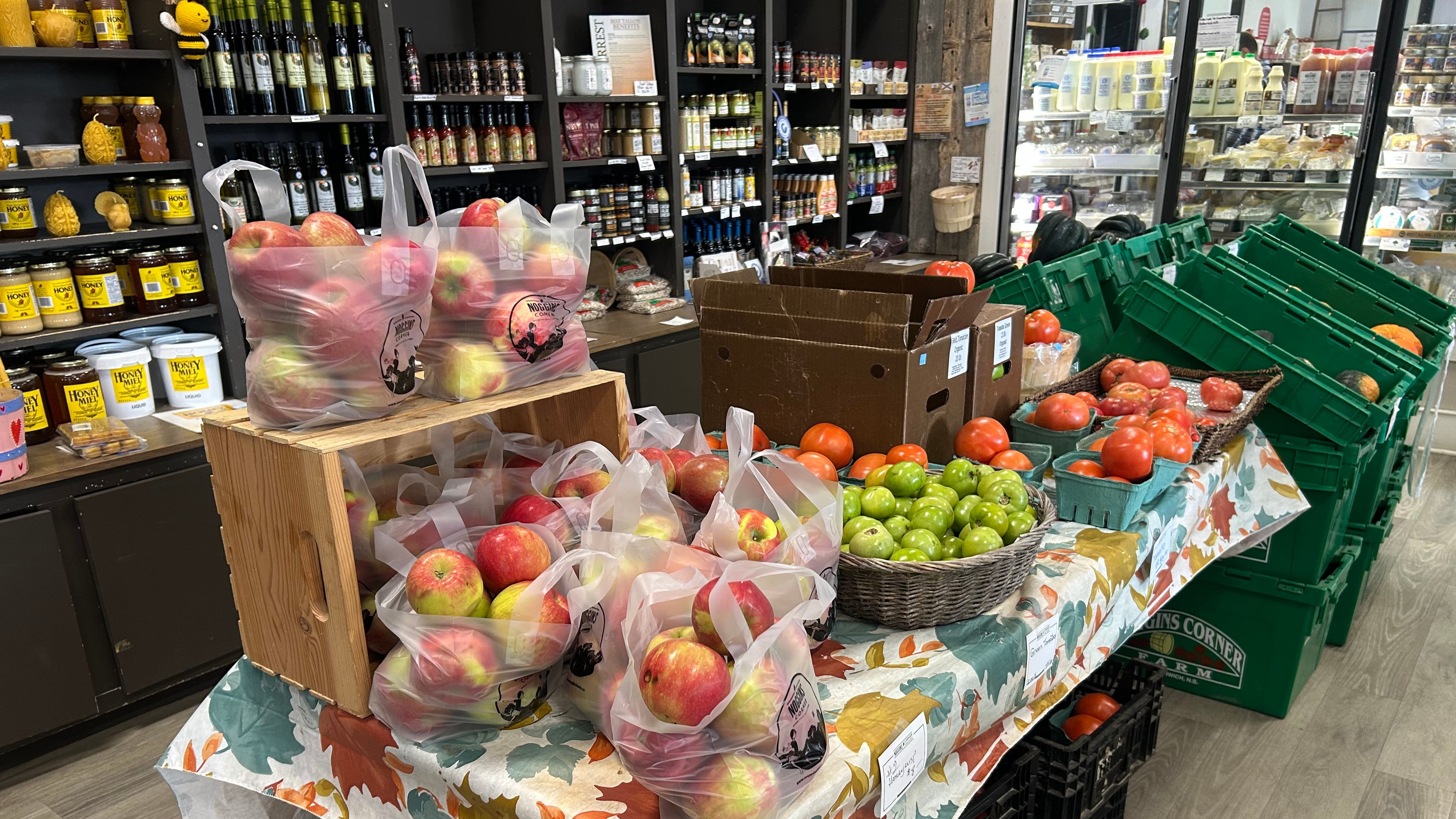
WOLFVILLE, N.S. - With haunting memories of a record-breaking dry growing season in 2025, farmer Josh Oulton is now enjoying Nova Scotia’s recent rainy trend.
“This year we had good rains in September, and no hurricanes,” said Oulton.
Last year’s drought wiped out many crops and almost put some farmers out of business.
“Look at blueberries in Nova Scotia as a good example,” said Dalhousie University professor and food researcher Sylvain Charlebois.
“The drought was so severe, it forced many blueberry buyers to go elsewhere beyond Nova Scotia and to other places. Sometimes when farmers lose customers, it is not just for one year, but several years and that is a big problem for farmers.”
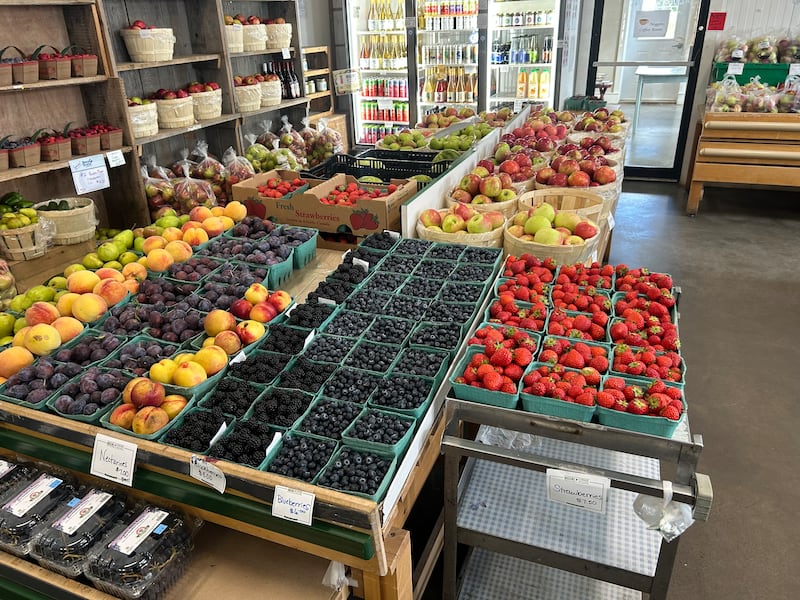
This year, timely late summer and early autumn rainfall has allowed crop yields to rebound in Nova Scotia.
“For all crops it was great and we had good bean crops, good corn crops, and our fields are still full of great vegetables,” said Oulton. “We had forgotten how much an apple will size up in the month of September if it has adequate rain like we received.”
CTV Atlantic chief meteorologist Kalin Mitchell said Prince Edward Island and the central and eastern parts of Nova Scotia, received the most rainfall in late summer.
There was major and destructive flooding, especially in Cape Breton, but in other areas the rain had a restorative impact on the soil and many farming fields during growing season.
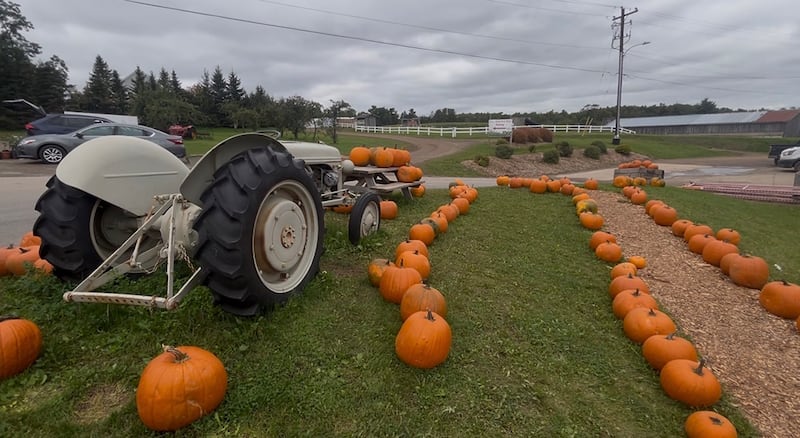
“Most of the Maritimes saw near-to-well-above average amounts of rain for September, this year,” said Mitchell.
But it is not all good news for farmers. As they continue to recover from the drought of 2025, they are also dealing with the high cost of diesel fuel.
In fact, escalating overhead prices have driven up the overall cost of farming production.
“It all has made our margins that much smaller,” said Oulton.
Fuel, labour, packaging, and electricity costs are being passed onto consumers and not just in Nova Scotia.
“The price of wheat is up 42.8 per cent, soybean oil is up 31.6 per cent, rice is up 25.6 per cent, and the price of corn has climbed 20.8 per cent,” said Charlebois.
“Diesel costs, which are double of what they were last year, are impacting the bottom line hard right now and it is impacting farmers and their margins, which will also impact consumers.”
Oulton said the prices of the food he grows and sells have also increased, but he is hopeful that a healthy growing season this year with a bumper crop could be the first step towards seeing prices return to lower levels in time for 2027.