Flu season is getting an early start in Canada, and an infectious disease specialist says people should not wait for cases to surge before taking steps to protect themselves.
Dr. Isaac Bogoch, an infectious disease specialist, told CTV News Channel on Saturday that flu activity is appearing earlier than in recent years, while COVID-19 levels are in line with expectations and respiratory syncytial virus (RSV) activity remains low for now.

With respiratory viruses expected to circulate more widely through the fall, he says vaccination and simple preventive measures can help reduce the risk of illness.
Why getting a flu shot now matters
The timing of vaccination is important because protection does not develop immediately after receiving a shot.
“We know once people get the vaccine, it’s going to take about 10 days to 2 weeks for an individual to achieve that level of immunity that we would like them to against the flu,” Bogoch said.
With the flu circulating in many parts of the country, he said getting vaccinated now is a good idea for those who have access to the vaccine.
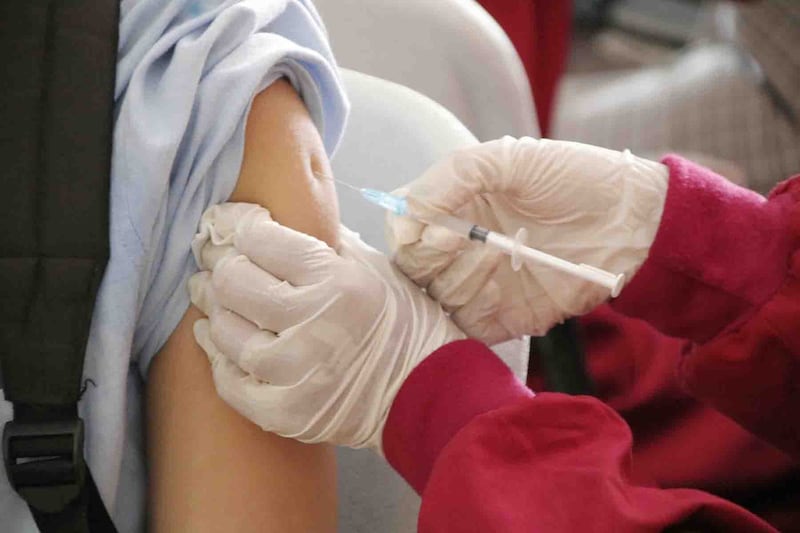
However, access remains a challenge because vaccine programs are rolling out at different speeds across Canada, and some people may have to pay for a flu shot in certain regions.
Bogoch said more flexible programs that “lower barriers” to vaccination could help ensure people receive protection when they need it.
Can you tell flu, COVID-19 and RSV apart?
Although the three respiratory infections can cause different levels of illness, their symptoms can overlap considerably, making it difficult for people to identify which virus they have based on how they feel.
“You absolutely can’t tell these infections apart. I think it would be extremely challenging,” Bogoch said.
He said people should pay attention to the severity of their symptoms rather than trying to determine the virus on their own.

“When we’re talking about the youngest, infants and little children, look for the number of wet diapers, look for feeding behaviour, look for change in behaviour,” he said.
Difficulty breathing, dehydration or being too ill to manage at home are warning signs that medical attention may be needed. People who are concerned about their symptoms should seek advice from a health-care professional.
How to reduce your risk
Vaccination is one way to lower the risk of respiratory infections and, if infection occurs, potentially reduce the severity of illness.
Bogoch also emphasized the importance of staying home when sick, including keeping children home from school when they are unwell.
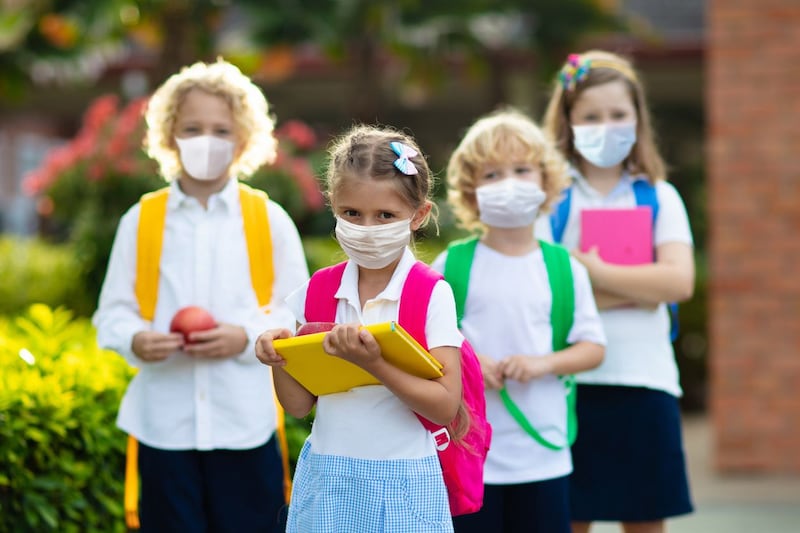
He said masks can help reduce the risk of infection, while improving indoor air quality can limit the spread of respiratory viruses.
Hand hygiene remains important, because some respiratory infections can spread through contact.
As the season progresses, Bogoch said, taking these precautions can help protect individuals and those around them.

