FORT MACLEOD, Alta. - Alberta farmers already grappling with rising production costs and unpredictable weather could face new challenges if the province separates from Canada, with questions surrounding access to export markets, transportation routes and international trade agreements.
“The agricultural sector is highly integrated. We have animals and products coming to Alberta from other provinces, and leaving Alberta. So, potential separation will have a massive impact,” said Manuel Juárez Davila, director of the Simpson Centre for Food and Agricultural Policy at the University of Calgary.
Albertans are preparing to vote Oct. 19 on whether the province should remain in Canada or take the next step toward a possible separation referendum.
Landlocked province creates obstacles
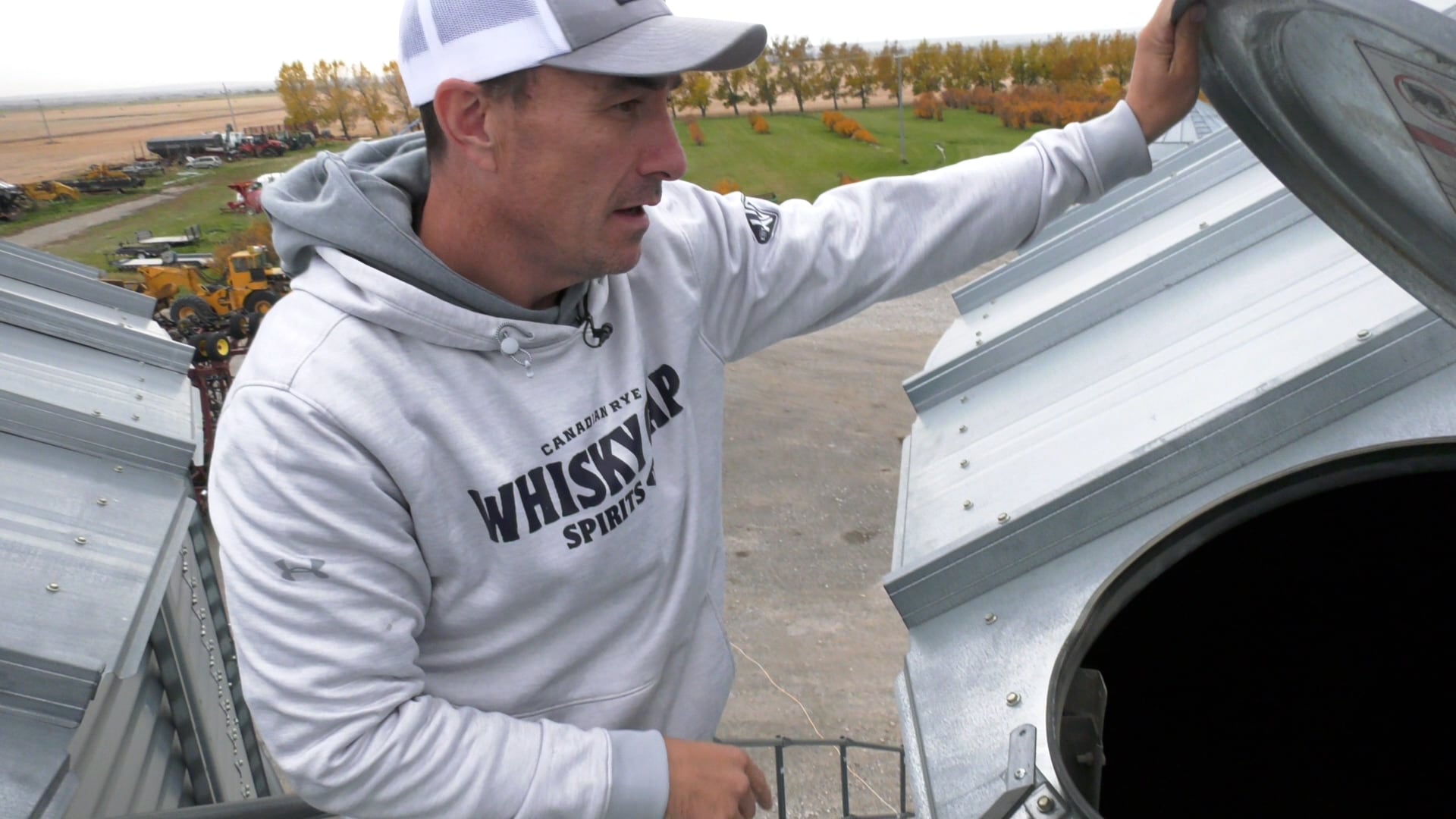
Fourth-generation farmer Stephen Vandervalk grows malt barley, durum wheat and canola near Fort Macleod, Alta., and worries about how his crops would reach international markets if Alberta separated from Canada.
While most of his malt barley is sold domestically, his durum wheat and canola are exported.
“In general in Western Canada, a vast majority of it is put on a train and is exported out of Vancouver on a boat,” Vandervalk said.
“Alberta is landlocked, so we do need access to ports,” he said.
Vandervalk questions whether British Columbia would co-operate with an independent Alberta and whether alternative routes through the United States could accommodate the volume of agricultural exports.
Juárez Davila says billions of dollars in agricultural products move between Alberta and the rest of Canada each year, highlighting the industry’s reliance on interprovincial trade.
He says separation would require new agreements governing the movement of agricultural goods and livestock across provincial borders, as well as renegotiating international trade agreements.
“You will have to renegotiate all those agreements with the European Union, with Latin America, with Asian countries. So we will start from scratch,” Juárez Davila said.
A plan for independence
An independence plan released by the Alberta Transition Council, co-led by lawyer Keith Wilson, proposes negotiating agreements with Canada regarding rail transportation, port access and trade relationships if Alberta separates.
However, a recent economic report by University of Calgary economist Trevor Tombe warns separation could introduce additional border controls, trade barriers and higher costs for businesses.
Those potential complications come as farmers continue to face mounting financial pressures.
“Fertilizer prices have doubled and in some cases tripled in the last five years,” Vandervalk said.
“Diesel is almost up two and a half times from a year ago,” he added.
Despite the uncertainty surrounding Alberta’s political future, Vandervalk isn’t convinced separation will become a reality.
While he doesn’t support breaking away from Canada, he understands the frustrations driving the independence movement.
“We do send far too much to Ottawa and see very little in return.”

