LONGUEUIL — Canadian astronaut Joshua Kutryk says his presence on the International Space Station shows Canada can contribute to the leading edge of space exploration.
“It is important for Canada to be here,” Kutryk said Tuesday as he floated in the space station while taking questions from Canadian journalists in Longueuil, Que.
“We take a lot of benefits from these missions and it’s something that we hope we can continue.”
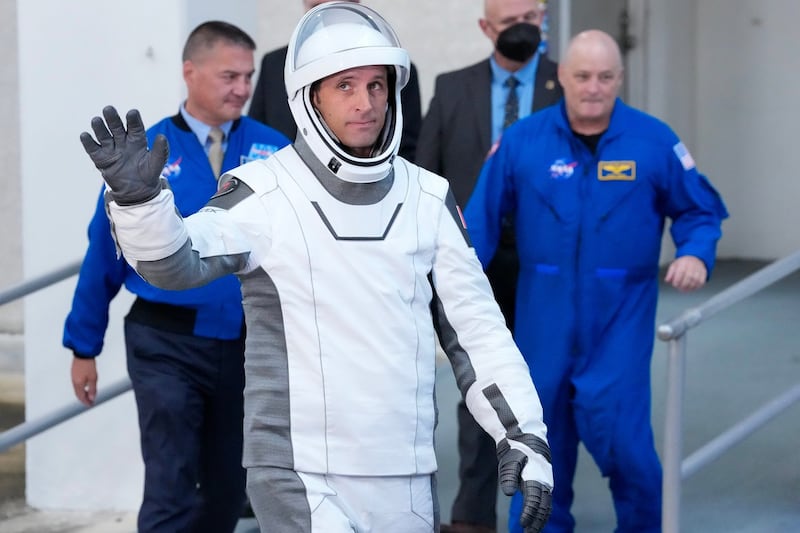
The 44-year-old is two weeks into a six-month mission which will see him conduct experiments and research and take part in critical maintenance work.
He launched on Oct. 1 as part of NASA Crew 13 in the fastest flight ever to the space station — just under eight hours.
Kutryk, who served as a CF-18 fighter pilot, said the launch was exhilarating and spectacular. He said no amount of training can prepare you for the experience.
A SpaceX Falcon 9 rocket carrying the company’s Dragon spacecraft is launched on NASA’s SpaceX Crew-13 mission to the International Space Station with NASA astronauts Jessica Watkins and Luke Delaney, CSA (Canadian Space Agency) astronaut Joshua Kutryk, and Roscosmos cosmonaut Sergey Teteryatnikov onboard, Thursday, Oct. 1, 2026, from Cape Canaveral Space Force Station in Florida. (Joel Kowsky/NASA via AP)
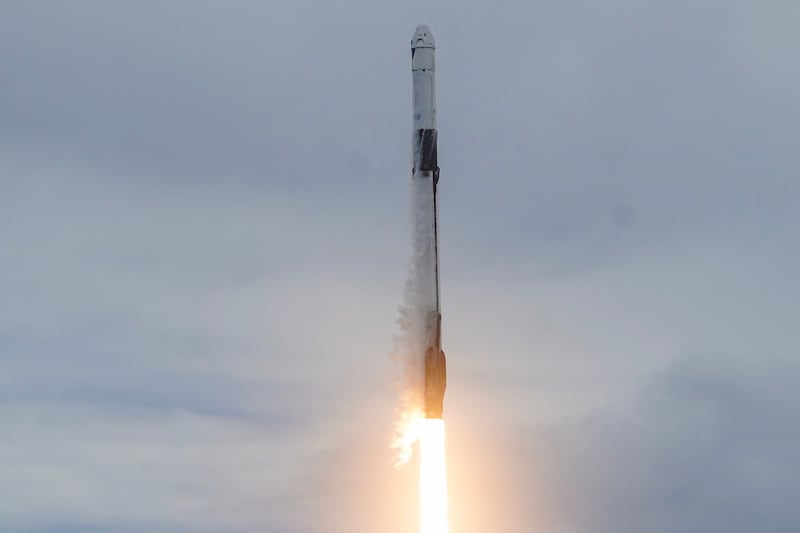
Kutryk is a mission specialist on the four-person crew, which also includes commander Jessica Watkins and pilot Luke Delaney — both of NASA — and Roscosmos cosmonaut Sergey Teteryatnikov, another mission specialist.
“Everything about being here for the first couple weeks is very special,” Kutryk said. “You just feel so lucky and fortunate to be living this experience.”
This adventure has been a lifelong goal for Kutryk. He said it’s hard to describe the first time he saw Earth from the station.
“It’s just one world. It’s one thing hanging in the blackness of space and you don’t see all the countries and the problems and all the challenges,” he said, noting the space station was crossing over Canada while he was answering questions.
“You just see this little bit of perfection that we should really, really be trying to protect.”
The space station is a long way from the Alberta cattle farm where Kutryk grew up.
He brought a small piece of his family’s history with him to the station — a pocket watch his relatives brought from Ukraine to Canada four generations ago.
Kutryk said the watch sits beside the area where he sleeps. He said he holds it and thinks about how much has changed over the past century, and what that means for the future.
The astronaut has been busy since he arrived at the station. The mission includes Canadian-led studies on how space travel and microgravity can affect human health.
During his orbital press conference, Kutryk was wearing gear for an AstroFit research project monitoring his health. The project is meant to find ways to allow humans to stay in space for longer periods of time.
Life in space does come with challenges, Kutryk said.
It’s difficult at first to eat, move around, sleep or use tools in microgravity, he said, adding he had to learn some basic tasks again like a “child.”
Kutryk’s mission to Earth’s orbit adds to a memorable year for Canadian space exploration and research.
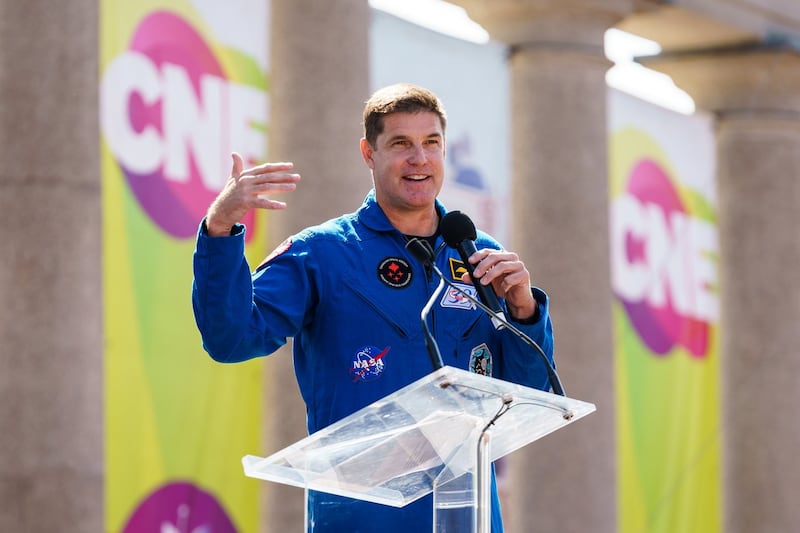
Canadian Jeremy Hansen was one of four astronauts aboard the Artemis II mission in April — humanity’s first trip to the moon in more than 50 years. The 10-day lunar fly-around saw Hansen and his crewmates travel farther from the surface of the Earth than anyone before them.
Kutryk said his time on the space station is a testament to what Canada can do when it seizes on a bold vision and takes risks.
And having a Canadian on the space station also encourages Canada’s industry, academia and commercial interests to get on board, he said.
“That’s how we innovate, that’s how we develop new technologies, that’s what we want to be doing,” he said.
This report by The Canadian Press was first published Oct. 13, 2026.
By Kelly Geraldine Malone in Washington

