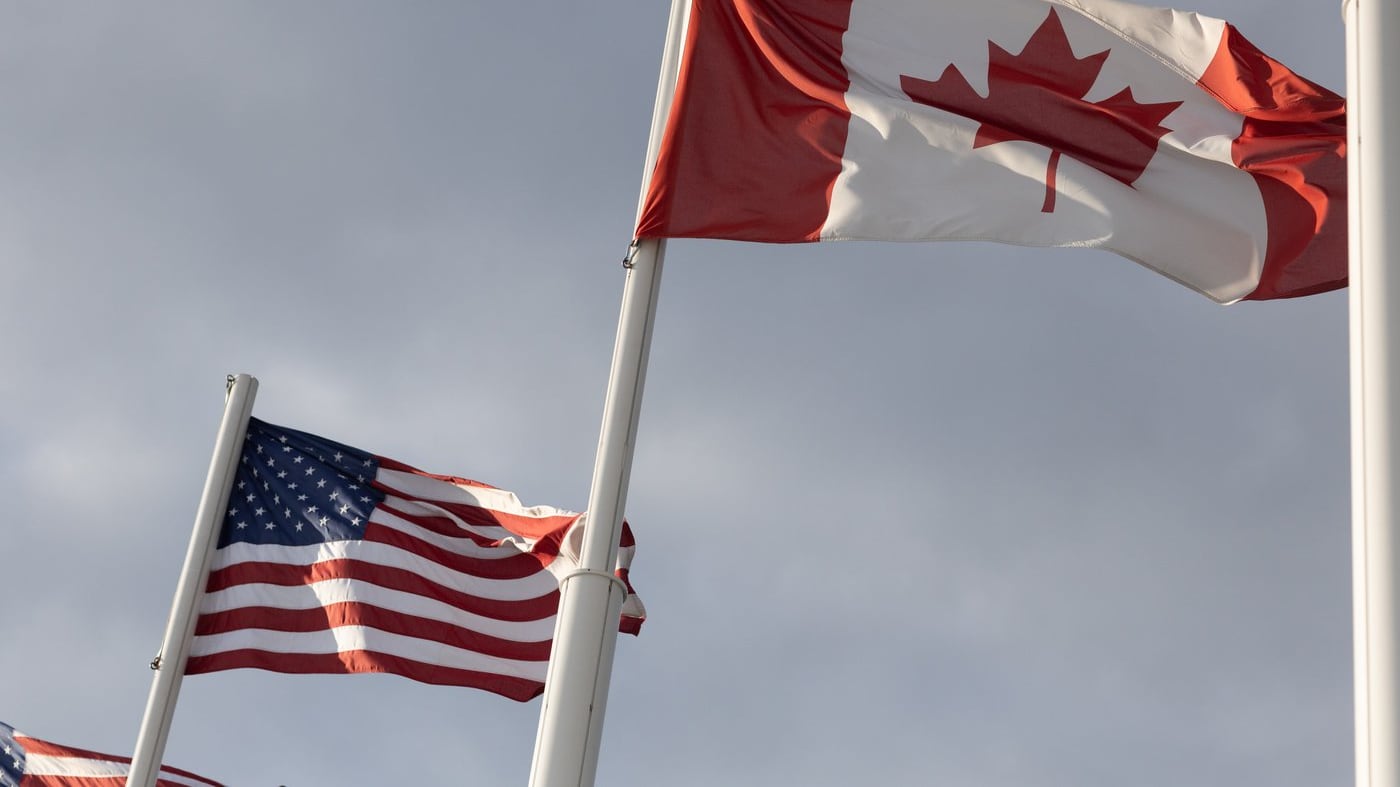
The trade war doesn’t appear to be deterring many Canadians and Americans from travelling across the border, new data from Statistics Canada suggests.
Canadian-resident return trips from south of the border – both by car and air travel – rose for the sixth straight month year over year, according to StatCan’s latest numbers released Tuesday. Canadians made a total of 1.9 million return trips from the U.S. in September, a year-over-year spike of 6.8 per cent. In August, the increase was 8.8 per cent.
Canadians’ return trips by car from the U.S. were up 5.6 per cent in September compared to the same time last year. However, automobile trips were down 31.1 per cent from September 2024.
By air, the return trips in September rose 11.6 per cent compared to the same month last year, but decreased 18.7 per cent below 2024 levels.
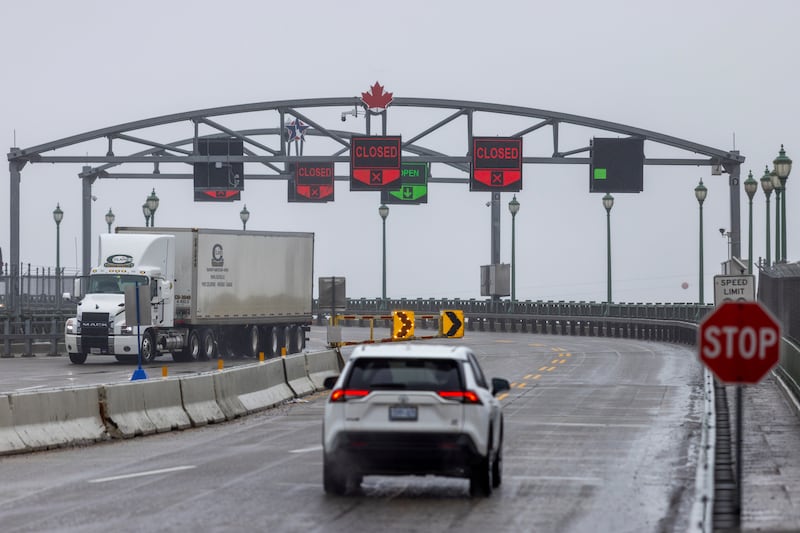
U.S. travel trend
The upward trend applies to American travellers, as well. The number of Americans who went to Canada by car and plane hit 1.8 million in September, a 17.2 per cent year-over-year increase. According to StatCan, this marked the eighth consecutive month that saw an annual increase.
“The sharp increase in September can be attributed to the calendar effect of a moving Labour Day weekend, which fell one week later in 2026 than in 2025,” StatCan said in its news release.
Last month, U.S. residents made 1.3 million trips north of the border by automobile, a 19.5 per cent year-over-year increase, and more than 537,000 trips by air, a 12.2 per cent rise.
Meanwhile, there were 2.9 million Canadian-resident return trips by car and plane from the U.S. and overseas in September, a 5.6 per cent year-over-year increase.
The figures are only an “early indicator of travel” using preliminary data from September, according to StatCan. The federal agency said “complete counts” will be available on Nov. 23.

Factors behind travel trends
According to a StatCan year-in-review report published in July, travel sentiment abruptly shifted during the start of U.S. President Donald Trump’s second term in office and the rolling out of his administration’s “America First” policies in early 2025. The total Canadian-resident return border crossings from the U.S. plunged 25.4 per cent in 2025 from the prior year.
More Canadians travelled to an overseas destination for leisure than to the U.S. in 2025, StatCan found. Canadian-resident overseas visits were up 12.2 per cent, or 1.1 million trips, while U.S. trips were down 21.5 per cent, or 3.2 million visits.
Subsequently, Canadians’ travel spending in the U.S. dropped by $3.3 billion to $18.8 billion last year, according to StatCan. The trend was the opposite for leisure-related visits overseas, which swelled by $3.6 billion in 2025 to $22.8 billion.

