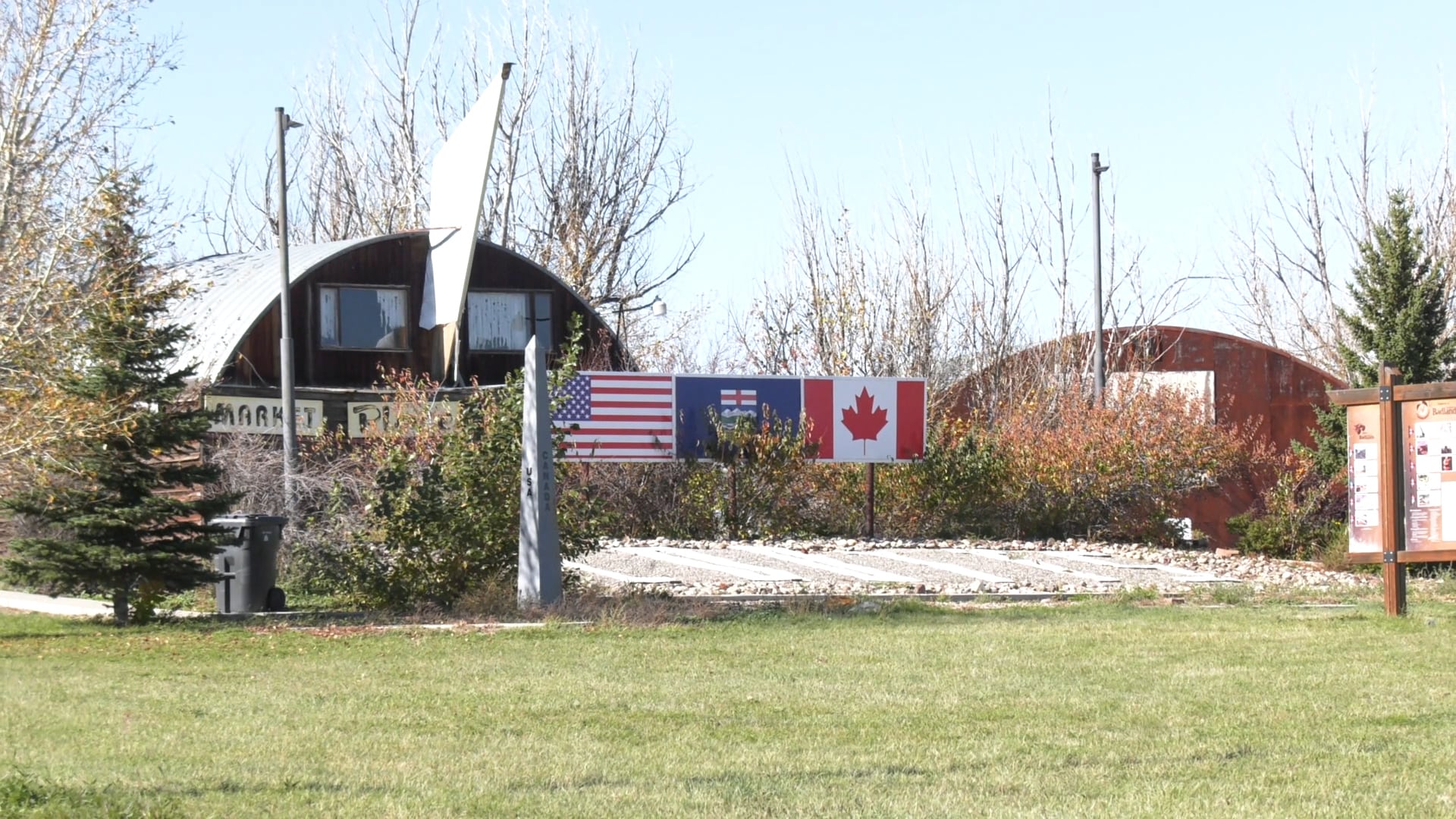
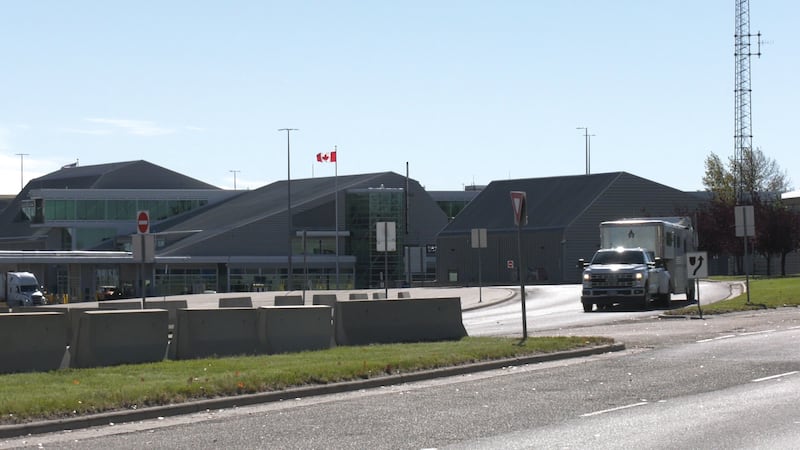
COUTTS, Alta. – In the southern Alberta village of Coutts, home to the province’s busiest commercial border crossing, hundreds of trucks travel between Canada and the United States every day.
Now, as Albertans vote on whether to stay or begin the process of leaving Canada, the referendum is raising questions about the future of a community deeply connected to its American neighbours.
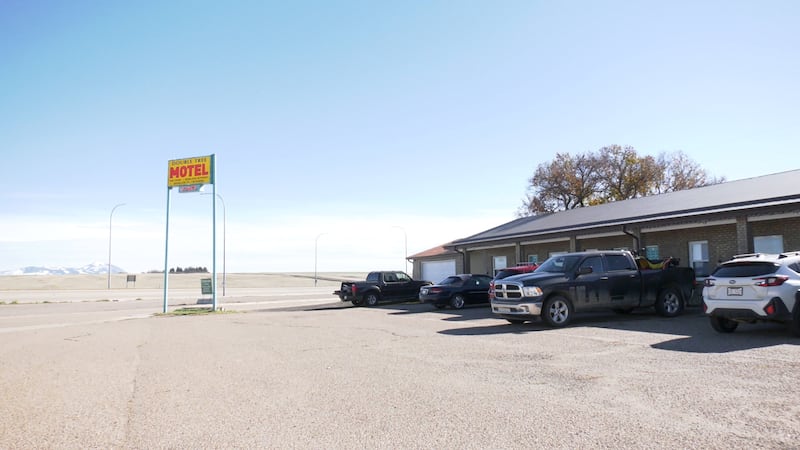
William Hardy, who owns the Double Tree Motel near the border crossing, opposes separation but believes the referendum is an opportunity for Alberta to send Ottawa a message.
“I think it’s about time Alberta stands up,” he said. “We’ve been getting ripped off by the feds.”
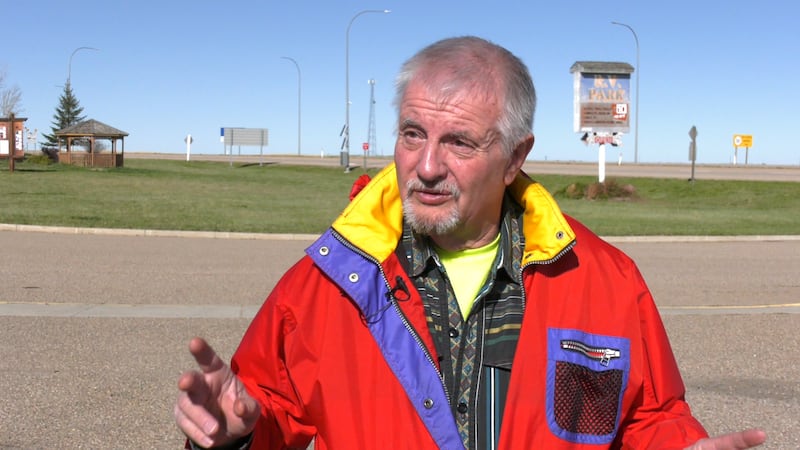
Hardy also worries that independence could leave Alberta vulnerable to U.S. President Donald Trump.
“If you separate, Mr. Trump might come up and take us all over,” he said.
Former Coutts mayor Jim Willett, who also opposes separation, doubts Alberta will ultimately leave Canada.
“Realistically, there’s not going to be separation,” he said, pointing to the lengthy legal process that would be required.
Still, Willett believes the referendum could reveal more support for separation than some surveys suggest.
“I personally think the vote is going to be much closer than what a lot of the pollsters have said. Especially in rural Alberta.”
Particularly challenging timing
The referendum comes as Canada and the U.S. remain embroiled in a trade war, adding uncertainty for a border community whose economy depends in part on cross-border traffic.
Greg Anderson, a political science professor at the University of Alberta who specializes in Canada-U.S. relations, said the timing is particularly challenging.
“Trump has come along at a precarious and particularly vulnerable time in the Canadian sort of political, economic, situation. And now you’ve got this separatist movement in Alberta.”
If Alberta eventually became independent, Anderson said Coutts could take on an even more significant role as a gateway to the United States.
“Coutts would obviously be a major international border. Maybe the most important international border for an independent Alberta,” he said.
Access to American markets and transportation routes to the U.S. West Coast would be critical for a landlocked Alberta, he added.
But Anderson rejects the idea that an independent Alberta would become an American state.
“To me, the idea of Alberta ever becoming an American state is preposterous from an American point of view,” he said. “I wish Canadians would stop taking the bait on this.”
Hardy is less certain about what could happen under independence. He joked that American annexation might bring more customers to his motel but questioned what it would mean for the services he relies on.
“I’d get all the Americans. But I don’t know if I get my pension and my health care if they take over,” he said.
The competing views are visible throughout Coutts, where “Forever Canadian” signs and signs supporting Alberta independence dot the village.
‘It doesn’t become anything personal’
The community of just over 200 people is no stranger to political tensions. It became a flashpoint during the 2022 border blockade against COVID-19 restrictions, which disrupted cross-border traffic and strained relationships among neighbours.
Willett, who was mayor during the blockade, said tensions have since eased. While residents disagree over separation, he doesn’t see the same level of confrontation today.
“It doesn’t become anything personal,” he said. “You don’t have people at each other’s throats, or you’re a separatist, and you’re a federalist, and we’re going to have a fight. People know where they stand.”
For Anderson, the broader challenge extends beyond the referendum itself. He said Prime Minister Mark Carney has spoken about addressing some of the frustrations driving western alienation, but Canadians need to see results.
“At some point, the rhetoric has got to turn into real substance and being able to say, ‘hey, look, we’ve done this and we’ve fixed this.’”
Back in Coutts, Hardy continues watching the trucks and travellers moving between the two countries.
It’s a relationship that helps sustain his business, and one he hopes won’t be complicated by Alberta becoming a country of its own.

