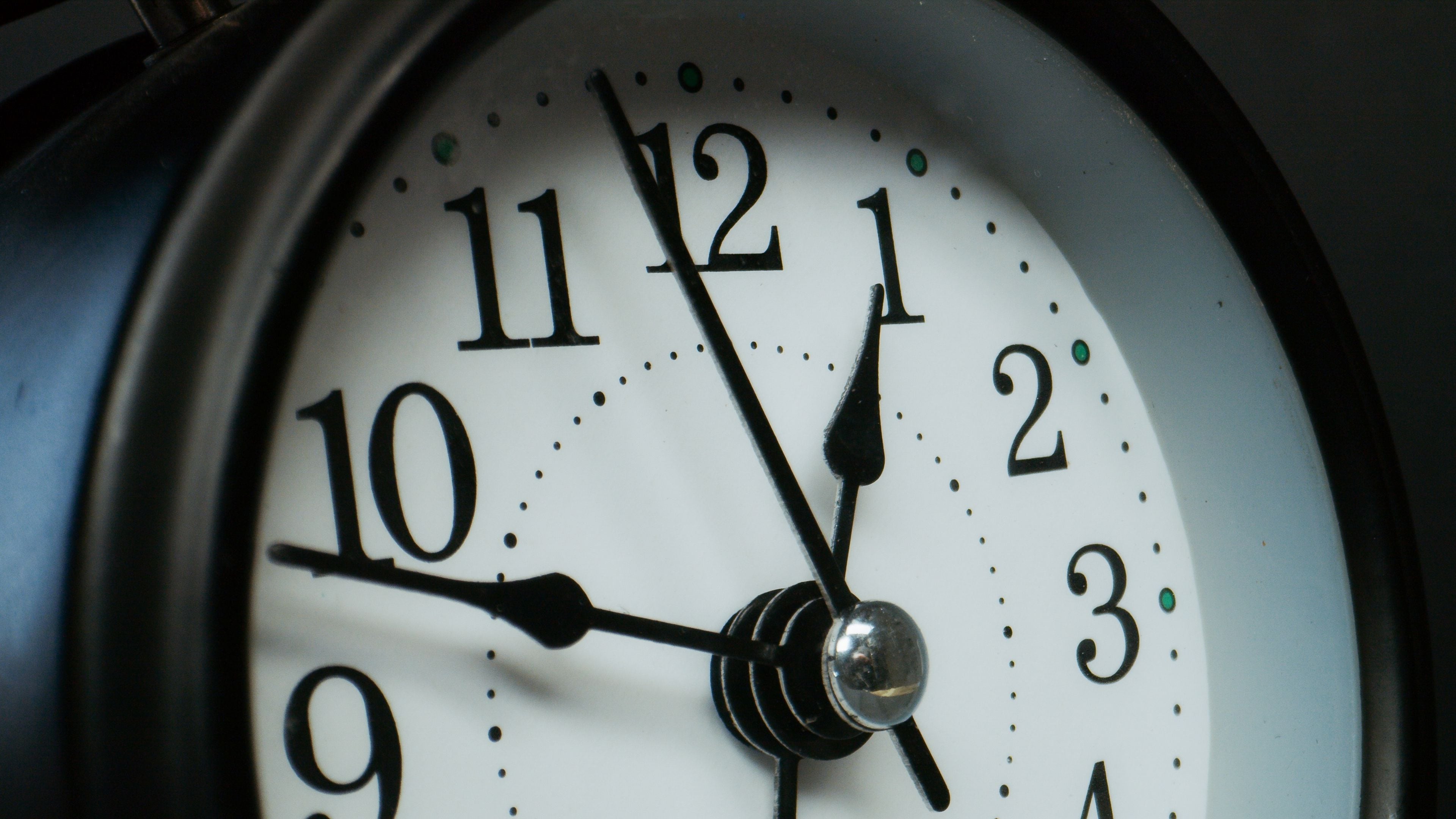
OTTAWA - There is more confusion and a reignited debate over the seasonal time change as millions of Canadians get set to turn the clocks back while some provinces scrap the move altogether.
On Nov. 1, British Columbia, Alberta, Manitoba and the Northwest Territories will no longer turn the clocks back one hour in favour of remaining on daylight time.
Most of Ontario, Quebec and Atlantic Canada will, although parts of northwestern Ontario including Kenora, won’t so the region can align with neighbouring Manitoba.
“The Canadian time landscape is a real mess right now, I can’t even keep up with it,” said Patricia Lakin-Thomas, a biology professor at York University. “We desperately need some kind of organization to try to come up with something more systematic than this patchwork approach.”
As of Nov. 1, when it is noon in Toronto, it will be 10 a.m. in Vancouver. Alberta will now be only one hour behind most of Ontario.
Some experts argue the semi-annual change can be harmful to your health and that switching to permanent standard time is the way to go.
Lakin-Thomas said that is particularly true when considering the sunrise in Calgary on some mornings this winter won’t be until 9:30 a.m.
“You’re going to find it very hard and you’re going to feel and be essentially jet-lagged,” she said.
At Kaya’s Watch and Clock Shop in Ottawa, Mustafa Kaya uses the semi-annual time change as a reminder to replace the batteries in the dozens of clocks in his store.
“The time change is a good time for me to go over all the clocks and make sure they’re in sync again,” Kaya said. “Keeping it consistent would be huge, especially for a business like us.”
Ontario has said it would end the semi-annual switch, but only if Quebec and New York do so as well.

