CTV News is your Alberta Referendum headquarters. Live results. Expert analysis. Everything you need to know is here.
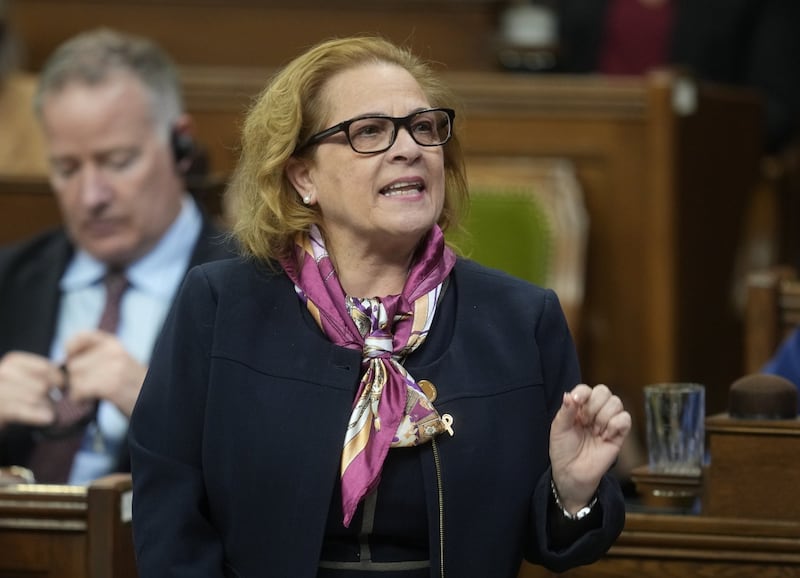
OTTAWA – The federal government’s only cabinet’s minister from Alberta, Eleanor Olszewski, is signalling an openness on Ottawa’s behalf to engage in discussions with the province on enhanced autonomy over immigration levels.
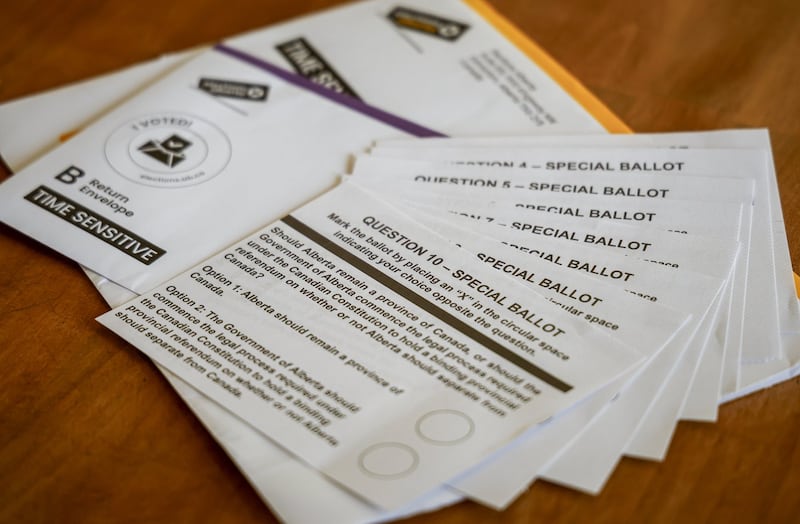
Albertans will cast their ballots on a slate of referendum questions Monday, and while the question around separation is drawing the most attention, there are nine others that cover a range of issues, from proposed Constitutional changes to health-care access.
About half of the questions outside of the one on separation are focused on immigration.
Albertans are being asked whether their province should have more control over who comes into the province, and whether Canadian citizens and permanent residents should get priority access to government-funded services.

Another question proposes making temporary residents wait a year before accessing certain social supports, while another asks whether they should have to pay fees to access public health care and education.
In an interview airing Sunday on CTV Question Period, Olszewski told host Vassy Kapelos her government is open to discussions if Alberta votes “yes” to those questions.
“I can tell you that we are already engaged in those discussions, and (Prime Minister Mark Carney said Thursday) we didn’t really need a referendum to tell us what issues we need to talk about with Alberta or any other province,” she said.
When Kapelos pressed her on whether that will mean more provincial autonomy over immigration, Olszewski said, “it’s a shared jurisdiction, and we are engaged in discussions with the province with respect to levels and sustainability.”
Ottawa already working with province: immigration minister
In a separate press conference on an unrelated issue Friday in Kitchener, Ont., Immigration Minister Lena Diab was asked if Ottawa is prepared to give Alberta more policy powers on that issue if they vote “yes” to the relevant referendum questions.
“We are already doing what those questions are saying in our levels plan, in our policies,” Diab said. “We are working, I am working as the minister ... collaboratively and in partnership with the provinces and territories ... to ensure that we have joint effort in that file.”
“I recognize the significance of co-operation between the provinces and the federal government when it comes to immigration,” she added. “It is a joint provincial-federal responsibility, and we will continue to work jointly with all provinces and territories across this country to make sure that we have the best immigration system in the world.”
During a visit to Calgary ahead of a pro-federalist rally Friday, Carney did not signal the same openness to more provincial control, instead telling the crowd not to vote in favour of those questions.
“I just wanted to come here, thank you for what you’ve already done, thank you what you’re going to do in the next few days,” he said. “Make sure everyone’s out there marking their ballots ... including: ‘No to the Nine.’”
The nine was in reference to the nine questions on the referendum ballot outside of the one on separation.

