ST. JOHN’S - The transition from summer to fall is much calmer these days for long-time Newfoundland and Labrador cabinet minister Siobhan Coady.
She is no longer busy preparing the province’s audited financial statements — as her successor did this week — or drafting a fall fiscal update. Instead, she has more time for her passions: a litter of small puppies and her three Labrador retrievers she is raising in her home in St. John’s.
“We’ve had puppies now for about 14 years,” Coady said, adding her husband Pat, is “very keen to have good Labradors coming from Newfoundland and Labrador.”
Since stepping away from politics in 2025 and declining to run in that year’s provincial election, Coady is on the outside looking in — neither campaigning nor holding public office for the first time since 2004.
She served as a provincial cabinet minister from 2015 to 2025, first as a minister of natural resources, then as finance minister.
“I miss the people,” Coady said “I miss the opportunity to contribute to Newfoundland and Labrador. But I always said 10 years was enough for me in public life… I always had said that I would give it my best 10 years.”
She believes her efforts pushed the province in a better direction — despite overseeing a particularly difficult portfolio. For five years, Coady was deputy premier and finance minister in the most indebted province in the country.
That meant delivering plenty of bad fiscal news — aside from a surprise, one-time budget surplus in 2022-23. For her trouble, she was paid just over $144,000 annually: the $95,357 base salary paid to every member of the House of Assembly, plus an additional $48,664 for her cabinet duties.
“Compensation becomes a very difficult conversation for people to have,” she said.
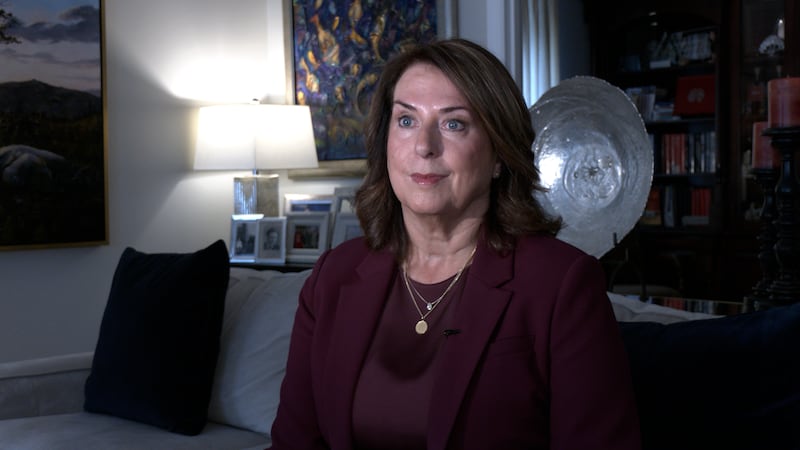
But as Newfoundland and Labrador’s politicians once again consider whether to grant themselves a raise, recommended this month by an arms-length report, Coady said it is an important conversation to have — and agreed to speak to CTV News about the demands of a life in politics.
“We want to attract attract the best and the brightest. We want to attract good people into the House of Assembly. So we have to compensate them as well,” Coady said. “[They work] a tremendous amount on behalf of the people of the province, and they give up an awful lot. Their families give up an awful lot.”
The independent report, prepared for the province’s Member Compensation Review Committee, recommends a roughly $23,000 yearly raise for all provincial politicians, alongside a mechanism to index the salaries to inflation.
The pay raise would bring Newfoundland and Labrador’s politicians to the middle of the pack, nationally after 17 years without a pay raise.
Prince Edward Island pays its politicians the lowest, at $86,924 annually, while Ontario pays the most, with salaries recently upgraded at Queen’s Park to $163,275.
“What other profession, job in this province — or I would dare say in Canada — hasn’t had an increase in salary since 2009?” Coady asked.
A similar increase proposed in 2024 received pushback from then-premier Andrew Furey, and was ultimately shelved.
“I think the general public doesn’t necessarily always appreciate the work of a politician,” Coady said, noting the job followed her everywhere — even to the grocery store.
In the report, lawyer Heather Jacobs wrote that MHAs in Newfoundland and Labrador who reached out to her said the demands of public life have increased.
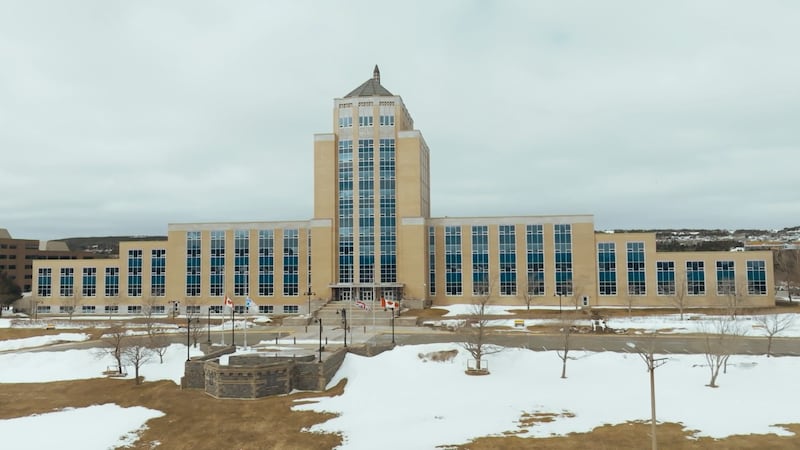
“The influence of social media has increased expectations from the public for immediate attention from MHAs,” Jacobs wrote. “MHAs also said the job carries heavy personal costs, citing safety concerns, sometimes a hostile work environment including being harassed, minimal work-life balance, and career interruption.”
Jacobs noted that 35 of the province’s 40 members communicated with her, neither major political party has publicly endorsed the increase.
Premier Tony Wakeham told reporters Wednesday he had not yet read the report.
“There’s a process to be followed. It will go before the Management Commission. And I want to take a look, a deep look at exactly what’s being proposed,” Wakeham said.
The Management Commission is scheduled to meet on Oct. 21 to hear from Jacobs regarding her recommendations.
Every other province and territory has increased pay for its politicians since 2024. Newfoundland and Labrador stands alone as the single jurisdiction that has not, Jacobs wrote.
Coady believes political pay is becoming a disincentive for public life.
“That’s why I say this is an issue of democracy,” she said. “You may be able to get people like myself who have been successful in business and be able to enter into the House of Assembly and not be as concerned about the compensation or you may be able to get…not everyone can do that.”
“It limits the amount of people that can offer themselves. I would rather have a bigger pool of people who are able to come forward.”

