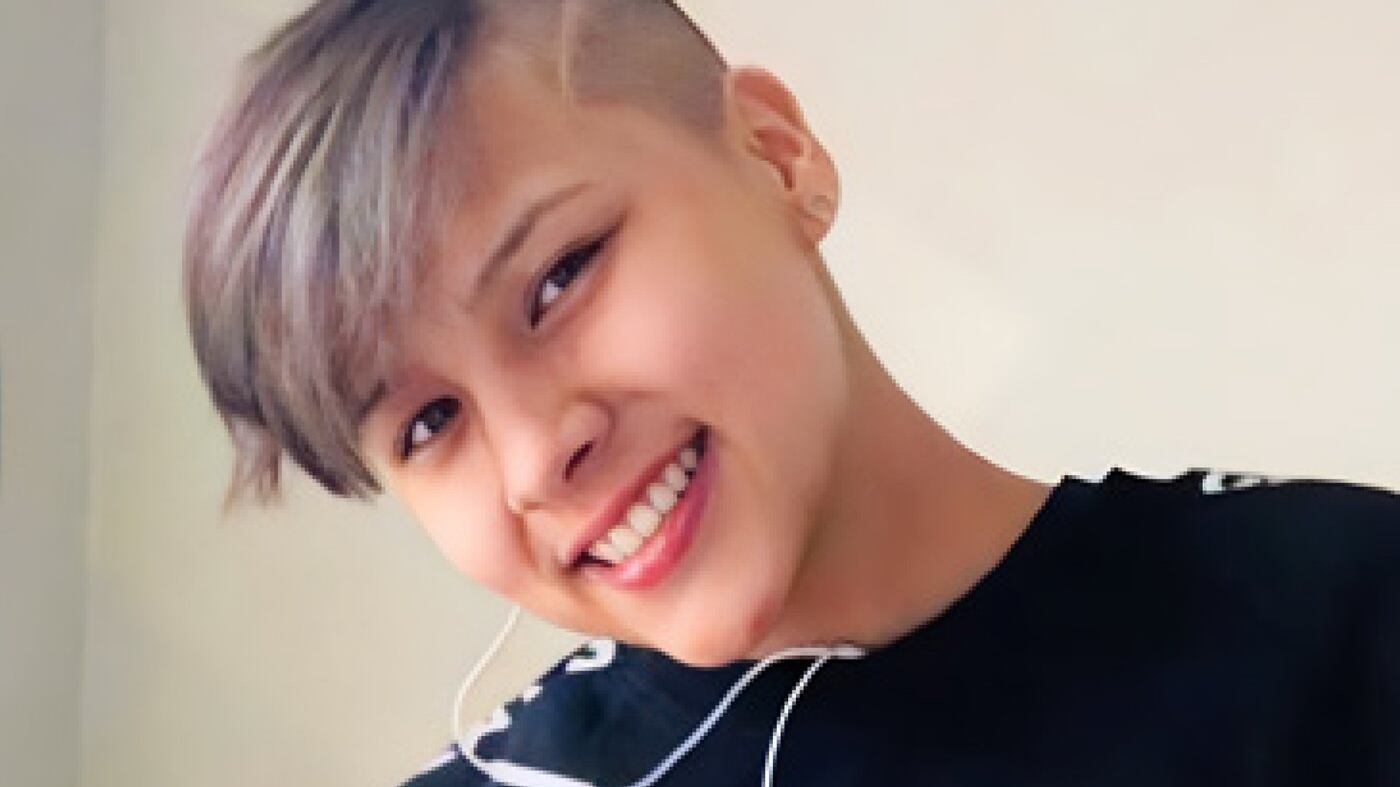
WINNIPEG — The family of a 16-year-old First Nations girl, who was fatally shot by Winnipeg police in 2020, is calling for accountability and change following an inquest into her death.
The conclusion of the inquest comes more than six years after Eishia Hudson was shot and killed by police.
“It’s been a tough six and a half years,” said William Hudson, Eishia’s father, at a press conference on Tuesday.
“The wounds don’t close; they remain open.”
Eishia was shot on April 8, 2020, after police responded to reports of a robbery at a liquor store and chased a stolen Jeep. Police have said the stolen vehicle, “rammed” into a police cruiser and hit other cars during a pursuit before shots were fired.
The inquest heard that Eishia was driving the Jeep when three of the four people in the vehicle with her committed the robbery.
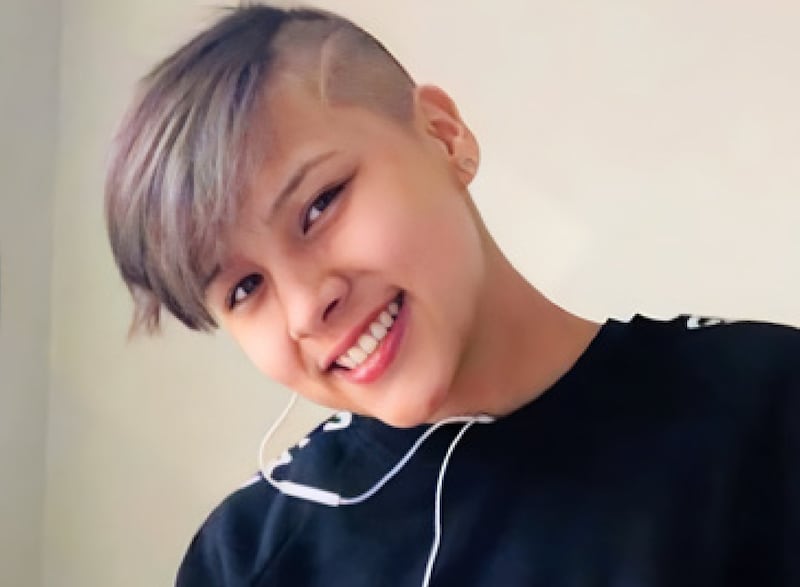
Hudson’s parents and other family members attended two days of closing submissions in court last week, where numerous recommendations were presented to help prevent similar deaths in the future.
Many of the recommendations were similar, calling for a specific police response team that answers calls involving youth, improved police training for these situations, and the collection of race-based data on police use-of-force incidents.
‘I just want changes’
The lawyer for the Winnipeg Police Service (WPS) opposed many of the recommendations relating to police training. CTV News reached out to the WPS but did not hear back.
A spokesperson from WPS told CTV News they cannot comment on any recommendations at this time since they have not yet been made by the court.
“When the court releases its report, the WPS will review any recommendations made and comment at that time,” a spokesperson said in a statement.
Eishia’s family testified during the inquest along with several police officers, including the one who shot the teen. The inquest also heard from some of those who were in the vehicle with Eishia.
“Our daughter is more than a headline,” Hudson said.
“I just want changes so our people don’t have to go through this again.”
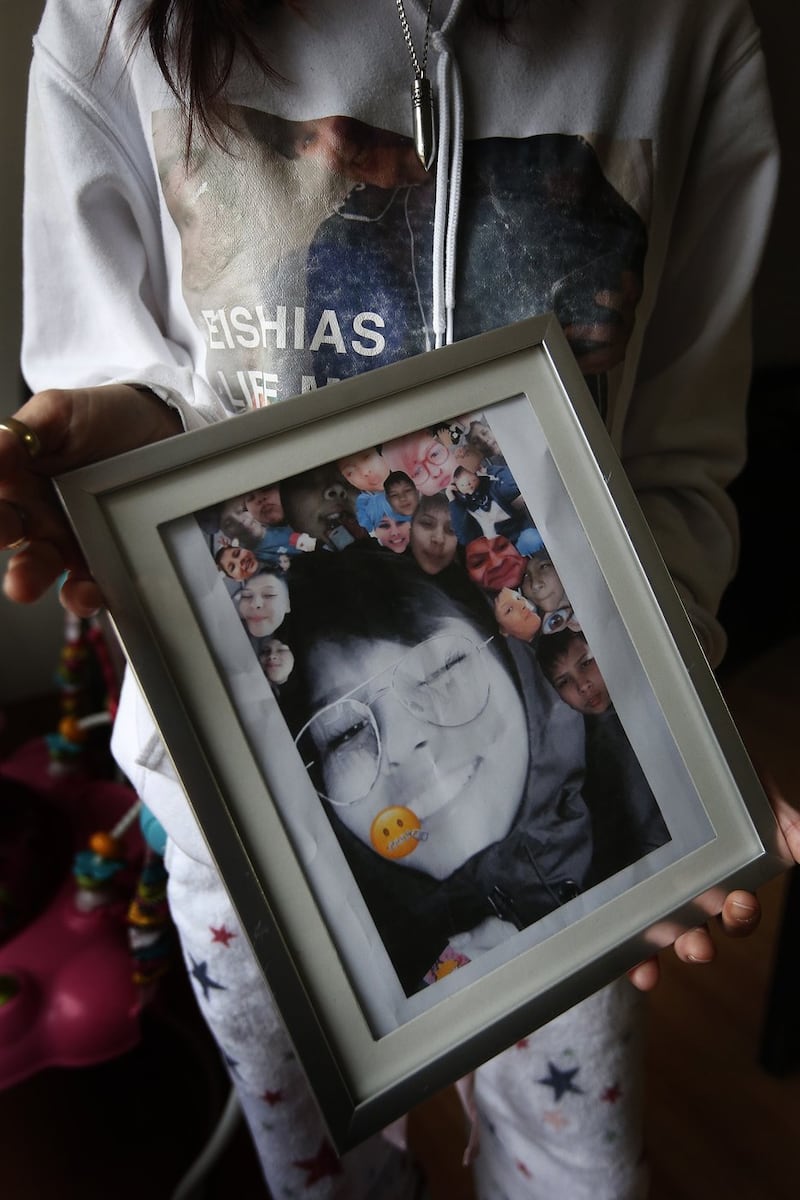
Protests followed Eishia’s death and there are continued calls for a public inquiry into police-related deaths of Indigenous Peoples.
She was one of three First Nations people killed in a 10-day period in Winnipeg that year.
“This inquest has raised serious concerns about policing, systemic racism, child and family services, youth justice and accountability,” said Kyra Wilson, Grand Chief of the Assembly of Manitoba Chiefs.
The inquest is examining whether the officer’s use of force was appropriate and whether systemic racism played a role in the shooting. Police had initially identified the robbery suspects as Indigenous.
“As important as this process is, no recommendation, no report or outcome will ever bring Eishia back to her family,” said Melissa Robinson, a community advocate.
The inquest into Eishia’s death began in February.
Judge Margaret Wiebe of the Manitoba Court of King’s Bench, who presided over the case, now has six months to write a report outlining final recommendations.
-With files from The Canadian Press

