


Canada and the U.S. are “very close” to a trade deal, a key adviser to U.S. President Donald Trump said, days after the White House imposed new tariffs on Canadian goods and dropped others.
National Economic Council Director Kevin Hassett made the remark during an interview on Fox News Sunday. He said U.S. Commerce Secretary Howard Lutnick had been speaking with his Canadian counterparts through last week, and that the two sides are nearing an accord.
“The negotiations have picked up. They’re gathering steam,” Hassett said.
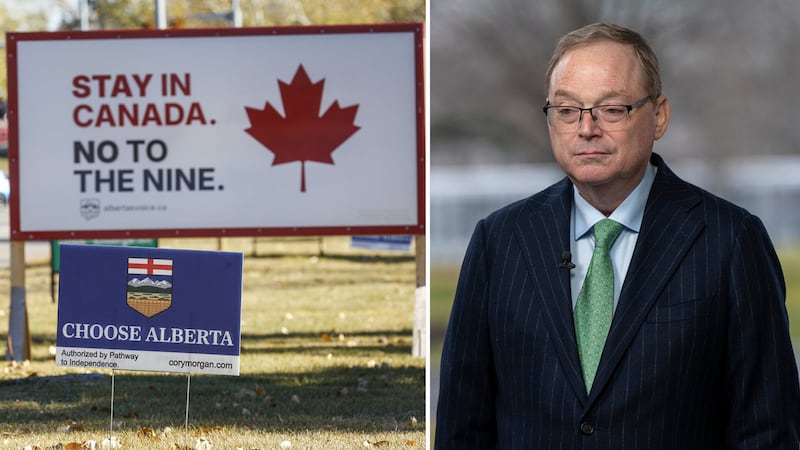
Asked why Trump’s tariff policy had not yet resulted in a deal, the adviser blamed the “Canadian election that just happened, including Alberta separating,” for the impasse. Earlier this week, Albertans voted against holding a binding referendum on leaving Canada.
That had made it “essentially impossible to negotiate with the Canadians,” he said.
Does Trump hold ‘all the cards’?
His comments echo similar remarked from the U.S. president himself on Friday. He told reporters in Washington that he felt a deal was close. His team holds “all the cards,” he added.
Later that day, the White House laid out a new slate of 50 per cent tariffs against Canadian goods.
Republican Maine Sen. Susan Collins – who is running for re-election in November – took credit for the removal of tariffs on Canadian goods critical to her state’s agricultural sector. She called Canada America’s “neighbour, ally, and largest trading partner.”
Among the goods receiving exemptions: seaweed, packing boxes and some plywood sheets. In their place, the White House added tariffs on cocoa powder, vinyl flooring and shampoos, among other goods.A full list of goods now facing 50 per cent tariffs is available here. The changes will take effect at the end of the month, joining a wide range of Canadian goods facing U.S. import tariffs, including metals, lumber, and autos. Other goods have been banned outright, like beer, liquors, and motorcycles.
On Saturday, CTV News spoke with the CEO of Preverco, a major Canadian hardwood flooring producer. He said Trump’s latest 50 per cent tariffs on his product could devastate the sector.
“Overnight, we’re losing 25 per cent of our business,” said Jean-François Dufresne. He wrote to federal Finance Minister François-Philippe Champagne requesting a meeting.
In a statement, Canada-U.S. Trade Minister Dominic LeBlanc’s office said the government will assess the latest tariff measures and that “Canada stands ready to work constructively and in good faith towards a more mutually beneficial trading relationship” with the U.S.

