WINNIPEG – More Canadians appear to be choosing to cast their ballots early, and in some elections, advance polling has seen record numbers.
A record number of voters cast their ballots ahead of Winnipeg’s municipal election, with a total of 50,767 votes cast. This is a 21.2 per cent increase from 2022, when the previous advance voting record was set in the city.
“There’s definitely been an uptick in advance voting in all elections,” said Malcolm Bird, a professor of political studies at the University of Winnipeg.
“I think part of this has to do with an effort by the political parties and by elections organizations to promote it, in the hopes that it will encourage more people to vote in general.”

The trend extends beyond Winnipeg, with Toronto nearly doubling its advance voting turnout this year compared with its last election four years ago.
According to the City of Toronto, 225,550 eligible voters cast their ballot during the six days of advance voting. That is up from about 130,000 in the 2023 mayoral byelection and approximately 116,000 in the last general municipal election in 2022.
The trend isn’t limited to municipal elections.
Advance voting for Quebec’s provincial election earlier this month was also up from 2022, with 25.59 per cent, or 1.6 million electors, voting early. Four years ago, the percentage of advanced voters was 24.8 per cent.
Political experts say advance voting offers voters more flexibility.
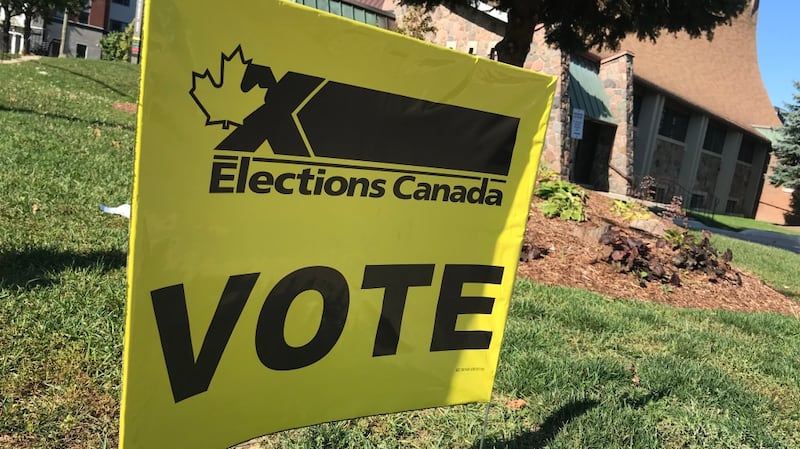
“Generally speaking, higher turnout is because people have become used to voting early. It’s easier to vote early,” said Christopher Adams, a professor of political science at the University of Manitoba.
“I think the get-out-the-vote campaigns by candidates is much more aggressive during advance polling, because you get to lock in your supporters.”
Adams explains that voter turnout is influenced by several factors, including whether people believe their vote makes a difference, how accessible voting is and whether barriers prevent people from voting, as well as external factors such as the weather.
But while advance polling numbers appear to be rising in some elections, it doesn’t necessarily mean more people are voting overall.

“I’m always a little skeptical about when you see record numbers of advance vote, necessarily being a harbinger of major voter turnout or change or anything like that,” said Curtis Brown, vice-president of Abacus Data.
“In the last election (in Winnipeg), there was record voter turnout in advance, but we only had 37 per cent turnout.”
The question now is whether this recent surge in advance voting in Winnipeg will carry through to election day, as voters across the province, including in Winnipeg, head to the polls on Wednesday.

B.C. election turnout lowest in decades
Voter turnout in B.C.’s provincial election was the lowest seen in the last 30 years.
Preliminary voter turnout for the 2026 election sits at 48.12 per cent with 99.96 per cent of ballot boxes reporting. That’s a lower turnout than for all of the previous general elections listed on the Elections BC website, going back to 1996.
Thirty years ago, voter turnout was 71.5 per cent. In 2024, it was 58.45 per cent.

