
As a disabled woman, Gabrielle Peters has never identified with a particular political party—not the B.C. NDP, not the B.C. Greens, and not the B.C. Conservatives.
“The people who are in power, I’ve never felt they represented me,” said Peters, an activist and policy analyst living in the Lower Mainland.
But with the B.C. Conservatives seizing power for the first time in nearly 100 years—and with a commanding majority of seats in the legislature—all eyes are now on the party’s election platform.
Peters told CTV News she was “pleasantly surprised” by some of the promises aimed at the province’s disability community, which include policy changes she has spent years advocating for.
“It’s a good plan,” she said. “It really comes down to whether you believe in the potential for creating the means for people to get off of benefits, and I do.”
Increased earning limit
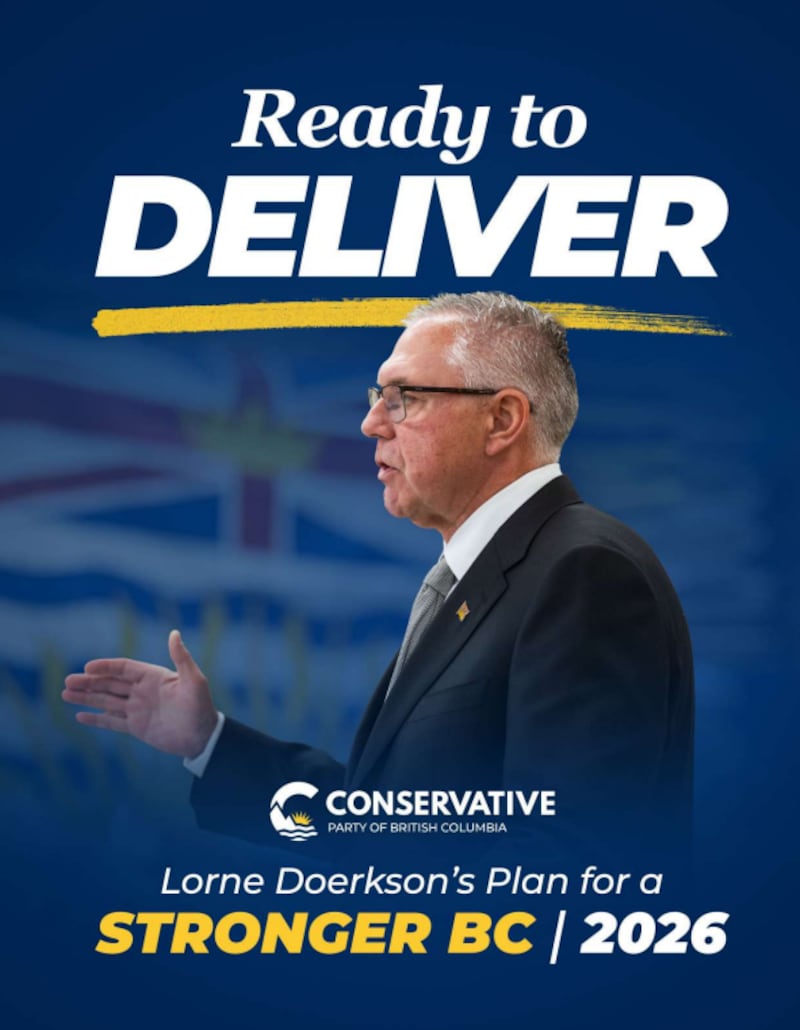
Buried in the middle of the party’s 71-page platform is a pledge to nearly double the annual earnings limit for individuals living on disability assistance, from the current cap of $16,200 all the way to $30,000.
That’s the amount people are allowed to make working before their disability benefits are clawed back. Peters said the current limit is so low, it’s difficult to build up the job experience and professional connections necessary to make the leap into full-time employment—the kind that could allow someone to stop needing provincial disability assistance altogether.
“You can’t make that jump overnight,” she said. “We have to be willing to believe in people.”
Belief is one thing Peters would like to have in the B.C. Conservatives, but years of disappointment with every level of government have left her skeptical. Peters said she’d love to see premier-designate Lorne Doerkson re-commit to the promises made to her community.
CTV News asked the Conservatives if Doerkson would do so, and when the policy changes might be implemented. The party said it would be inappropriate—and against convention—to comment on specific policy plans before being sworn in.
The party did not respond when it was pointed out that Doerkson already reiterated his campaign pledges to decrease taxes and repeal the Declaration on the Rights of Indigenous Peoples Act while speaking to reporters on Sunday, the morning after his historic election victory.
Uncoupling disability assistance
The Conservative platform also vowed to end reductions to disability assistance based on the amount of income earned by the recipient’s spouse.
Peters said reductions like these can leave disabled people financially dependent on their partners, and highly vulnerable when a relationship ends—something she once experienced first-hand.
“I was penniless. I literally had not one penny on me,” she said. “And that was a policy decision.”
Those reductions can also make it harder for abuse victims to flee from a dangerous living situation.
“Disabled women are at least two times more likely to experience violence than non-disabled women,” Peters added. “So that’s a really big issue.”
The platform doesn’t stop there, promising to expand HandyDART service, extend the Autism Funding Program, and increase disability assistance by $100 per month while establishing an annual rate review.

While Peters doesn’t expect the $100 hike would lift anyone out of poverty, she said it would unquestionably make a difference in many lives—just like the $450 worth of rate increases implemented by the outgoing B.C. NDP since taking power in 2017, which brought the current rate to $1,483.
The previous B.C. Liberal government infamously froze the rate for nine years.
“When I look back on the years that I existed on benefits under the B.C. Liberals versus now, it was qualitatively worse,” Peters said.
“The income was not survivable. I never made it to the end of the month—never—without days that I didn’t go without eating.”
Doerkson was first elected as a B.C. Liberal in 2020, and his majority government will include other former members of that now-defunct party.
Peters hopes things will be different this time, and urged the premier-designate to reach out and hear from the disability community before deciding which campaign promises will be kept—and which will inevitably be broken.
“That would be my message to him,” she said. “Talk to me. Please.”

