Artificial intelligence can do many tasks, but experts are alarmed by the number of people that use it as a companion, friend, and in some cases, therapist.
“We are seeing really problematic trends where high numbers of young teenage males, for example, are often starting to have romantic relationships with AI chatbots, and that creates a host of potential problems,” says David Shipley, Beauceron Security CEO and co-founder.
“We’re also seeing more and more people turn to chatbots, either marketed explicitly as therapists, or implicitly in that people start having conversations in the way these systems respond. They act in ways that we would normally associate with what a therapist would be doing with an individual.”
Shipley says AI is not a therapist and isn’t able to be, nor can it be a partner or friend given it doesn’t have real emotions.
He explains AI as a software that can mimic and mirror human emotions – this allows users to feel a connection and develop attachments, which he adds is problematic.
“Some of these have led to Canadians, including one woman in Quebec suing OpenAI because the chatbot in that lawsuit allegedly caused self harm and we have seen other cases of self harm and these tools are fundamentally unsafe,” he said.
Registered counselling therapist Dianna Lesperance with ML Family Counselling in Dartmouth, N.S., says relationships are built on connection, mutuality and touch, and AI is programmed to just give you what you want.
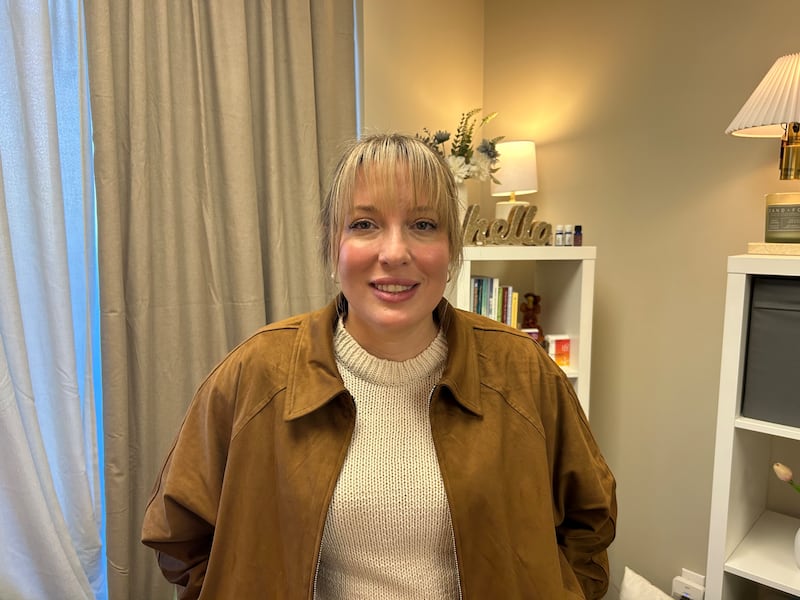
“I think our children are at risk of this. Kiddos that experience isolation or friendships in need. They’re most accustomed to building those types of relationships because of social media,” says Lesperance.
She says it could be a tool someone uses to rant to or just get out your feelings and thoughts, but it should not be used to replace relationships.
“Relationships are based on connection, mutuality, engagement and presence, that’s missing in AI and it is one-sided. The version you get back is the person you have developed,” adds Lesperance.
She explains that people should also be concerned with privacy and consent. Confidentiality is a given with registered counselors and therapists, but not with AI.
“It’s a system. It’s a software. When we’re giving our private information, sharing our confidential aspects of our life, we honestly don’t know where that’s going or what it’s being used for. And so, we’re essentially not giving consent around the use of that,” adds Lesperance.
Shipley explains that there have already been a number of instances where people have been harmed as a result of relationships they believe they built with artificial intelligence.
He says there needs to be stronger legislation in Canada that bans AI therapy tools, as well as AI that’s been built to be a partner or lover for someone.
“Some countries have actually outright banned AI from being used to form relationships with people. China was one of the first in the world to recognize the danger inherent in this. As anyone who’s been in a healthy, long term romantic relationship understands, being in a relationship is not having your ideas sycophantic parroted back to you. It involves someone who genuinely cares,” adds Shipley.
He says this is only going to get worse and cause harm to more people, if we don’t get ahead of it.
For more Nova Scotia news, visit our dedicated provincial page

