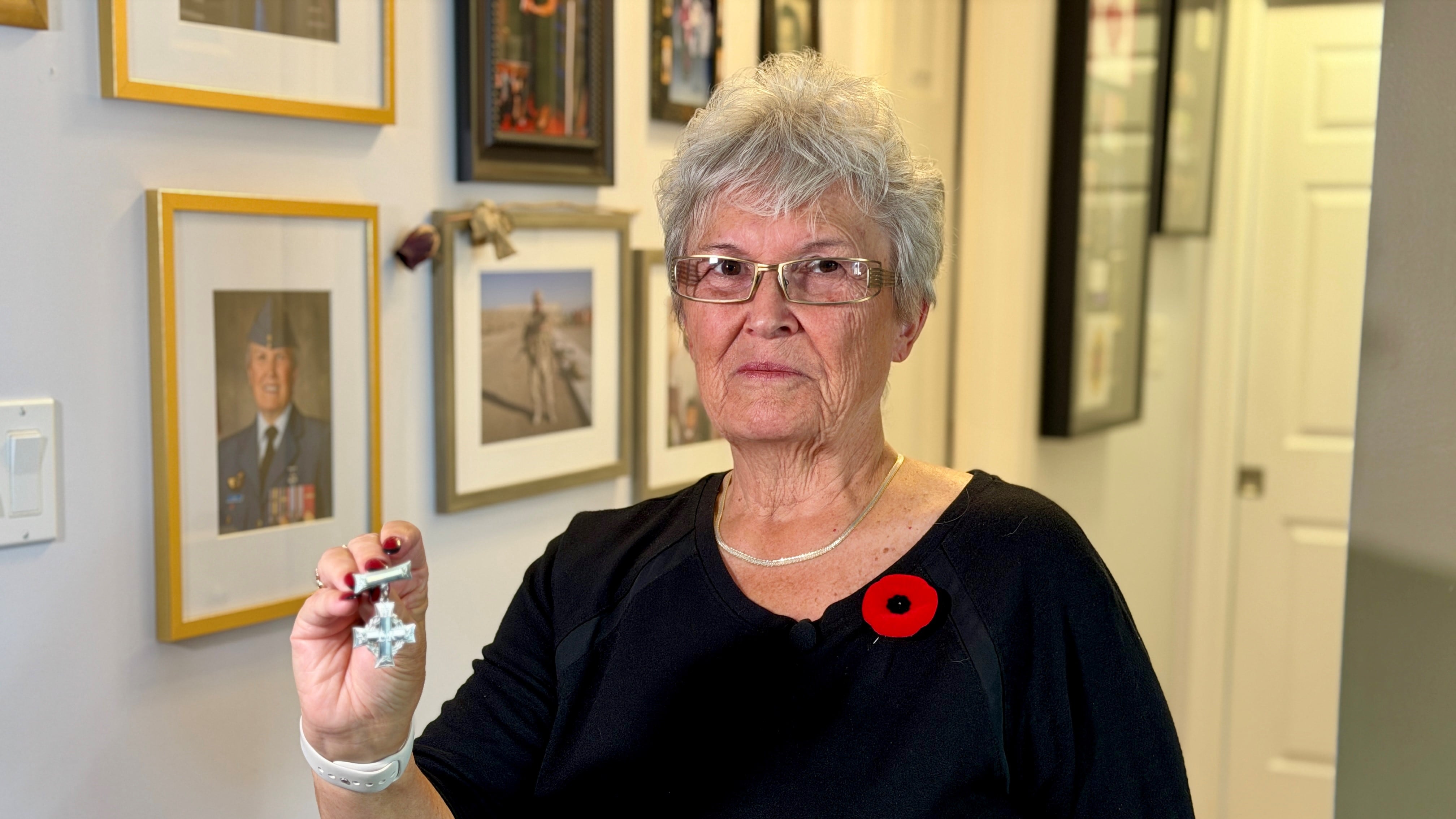
FRANKFORD, Ont. — Virginia Hicks has been named Canada’s 2026 National Silver Cross Mother by the Royal Canadian Legion.
On Remembrance Day, she will lay a wreath at the National War Memorial in Ottawa on behalf of every Canadian mother who has lost a child in military service. Hicks lost her own daughter, 22-year-old Sapper Mariebeth Short, in a training accident in 2002.
“I’m very honoured to be the Silver Cross Mother,” Hicks said. “Surprised, very honoured.”
When she lays the wreath, she knows where her thoughts will be.
“I’ll be thinking about Mariebeth for sure and thinking about all the parents who’ve lost their children, how their heart is feeling that day,” she said. “You just kind of wish… that there’s never going to be another Silver Cross Mother.”
Hicks is herself a veteran, having served in the Royal Canadian Air Force for nearly 30 years working in logistics and supply. “I wanted to do something that made a difference,” she said.
Her daughter had her own reasons for signing up. “Meeting new people and having new adventures, I think was one of her biggest reasons for joining the military,” Hicks said.
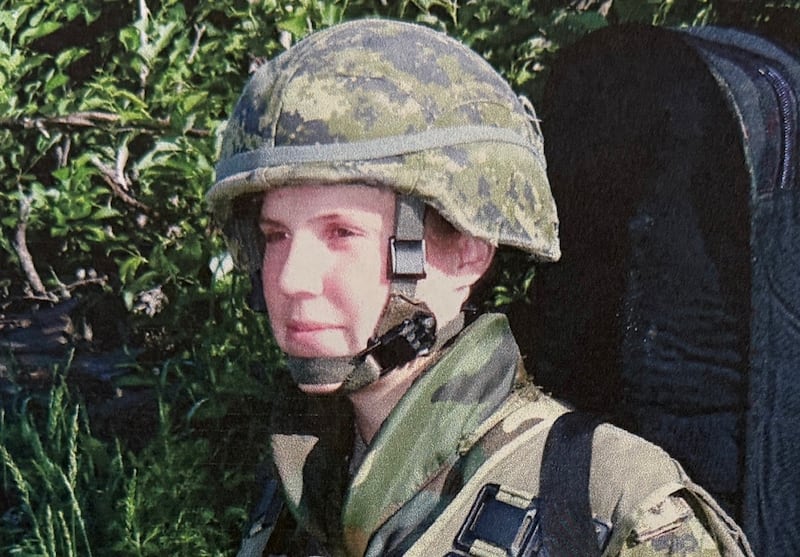
Service runs in their family. Hicks’ father was a military firefighter and her grandfather an airman. Her mother’s three uncles served in the Second World War. Hicks’ husband, Brian, also spent three decades in the military as a construction engineer.
Short followed in their footsteps. Born in Comox, B.C., she had initially hoped to become a navigator in the navy, but her math skills fell short. Recruiters offered other options, including combat engineering. She had just turned 20.
Her parents were a bit skeptical. “She was four foot 11 and 95 pounds, soaking wet,” Hicks said.
“We were maybe a little uncertain, but we also knew that she had the attitude that give me a job, and I’m going to prove you wrong.”
She did, hauling pins weighing more than 16 kilograms (35 pounds), two at a time, and fitting them underneath bridges. Coworkers nicknamed her “Shorty,” Hicks says, “but it had nothing to do with her ambition or her strength or her willingness to do any job that they gave her.”
“She had a lot of respect from all the people she worked with.”
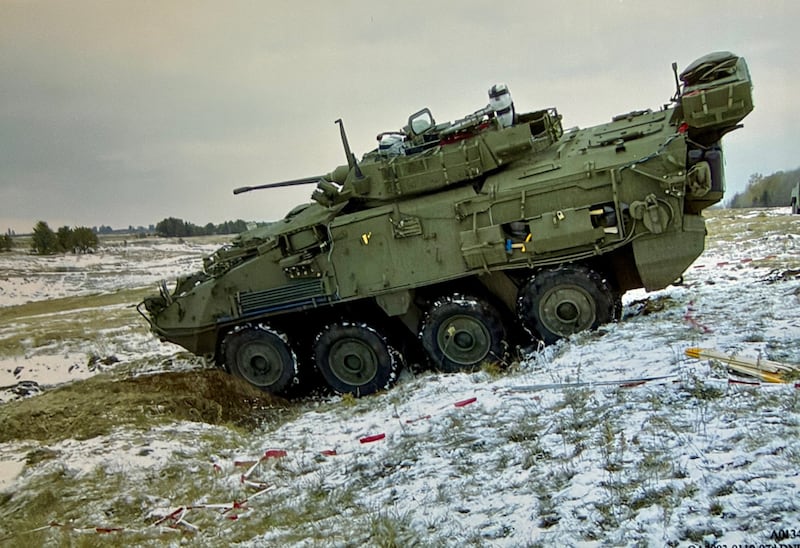
In September 2002, Short was looking forward to her first deployment to either Bosnia or Afghanistan. Her unit was taking part in a training exercise involving light armoured vehicles, or LAVs. The Friday before, she called her parents, excited. Her stepfather reminded her to be careful — the LAV was a big piece of equipment, and dangerous. On the morning of the exercise, she told her mother she’d be the first to drive.
Later that day, Short was standing in the gunner’s hatch when the vehicle rolled twice and landed on its side. “Mariebeth was underneath it twice when it rolled,” Hicks says.
A military investigation later found there had been a defect in the wheel assembly from when the vehicle was built.
When a military padre came to Hicks’ door to deliver the news that Short had been killed, she didn’t believe him.
“You’re lying; it’s not possible,” she recalls saying to him. “You never expect that when you’re speaking to your kid in the morning that they’re all excited, and that this is what’s going to happen at the end of your day.”
Short was given a full military funeral in Trenton attended by hundreds of soldiers. She was buried in her uniform.
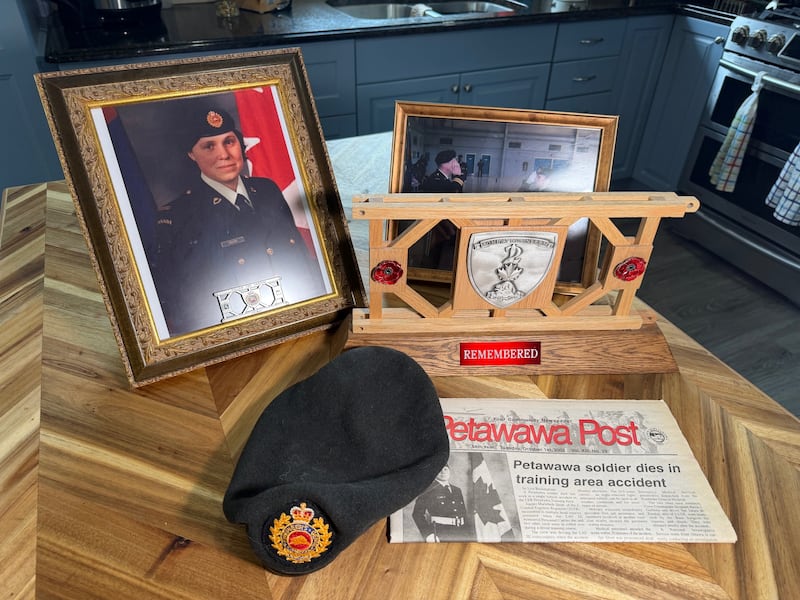
The only piece of it her mother still has is Short’s beret. Hicks has kept it all these years and showed it to CTV News during an interview at her home.
Hicks received the Memorial Cross — commonly called the Silver Cross — in 2009 and was surprised by that. She had believed it went only to families of those killed overseas.
“I didn’t realize at that time that it was actually given to soldiers who perished in service of their country. Whether it was in a training accident, whether it was in a work-related accident, or whether it was overseas,” she said.
When Short died the Memorial Cross had been limited to deaths on overseas missions. Rule changes in 2007 and 2008 extended it to all service-related deaths since October 2001, including those in training at home.
That is the message Hicks wants to spread this year.
“People think that a person who dies in theatre is more important than someone who dies in training, and that has to be so wrong,” she said. “You are training so hard so that when you go to theatre, this doesn’t happen.”
It hit home again in October, when four soldiers were killed in a fire during training at CFB Wainwright in Alberta.
“It was like a cold shower. Oh my God! Not again,” Hicks said. “And your heart goes out to the parents, the loved ones, girlfriends of these young soldiers.”
Her advice to those families is to be patient while the military investigates. “It will get easier. I can promise them that, but it’ll never go away.”
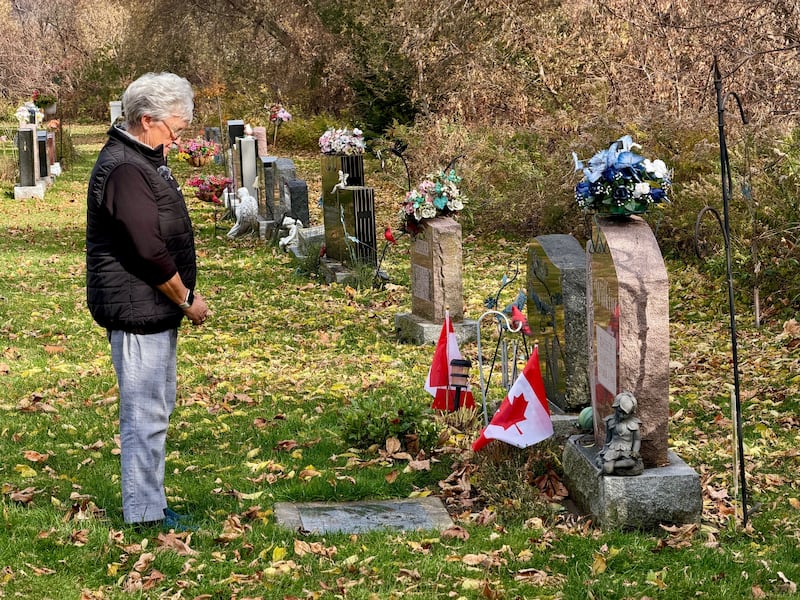
Hicks still visits Short’s grave several times a month and returns to the site of the rollover in Petawawa every year.
As for what Short would make of her mother being chosen National Silver Cross Mother:
“I’m hoping that she would be proud,” Hicks said, “knowing that we supported her in everything that she endeavoured to do, even when she called me that Monday morning and said, ‘I’m going to drive. I’m going to be the first driver.’ It’s like, ‘yes, go get her, girl.’”

