VANCOUVER – As people in British Columbia, Alberta, Manitoba, and parts of Ontario prepare to spend their first winter without turning the clocks back, sleep experts are warning the move to permanent daylight time could cause more problems than people think.
The change follows years of public frustration with the twice-yearly clock adjustment, which has been blamed for causing everything from disrupted sleep to an increase in car crashes and even heart attacks.
In B.C., the public voted 93 per cent in favour of ditching the change in 2019.
But experts say there is a problem.
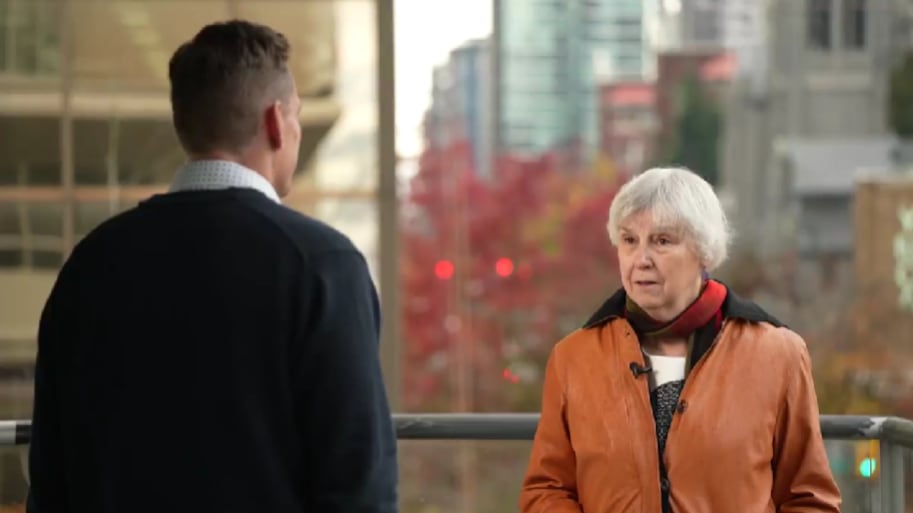
“We chose the wrong way to go,” said Wendy Hall, a professor emeritus at the University of British Columbia’s School of Nursing. “We shouldn’t have chosen permanent daylight-saving time.”
Hall and other researchers say the data is clear: permanent standard time, not daylight saving, is the healthier choice. That would mean setting the clocks back one hour this fall, one last time, and then staying on standard time for good.
But experts believe the public’s desire to maintain an extra hour of evening light in the summer and extend the afternoon light in the dead of winter, and politicians’ desire to please the public, won out over repeated health recommendations.
Hall is among the sleep experts who argue that permanent standard time is better aligned with the body’s natural rhythms that regulate sleep and wakefulness.
Ralph Mistlberger, a psychology professor at Simon Fraser University and co-author of a recent paper published in the Canadian Medical Association Journal, agrees.
“It’s all about the internal clocks that control our sleep. That’s what makes it easy to fall asleep at night and easy to wake up in the morning. And by the same token, more difficult to fall asleep during the day and more difficult to stay awake all night long. These are very powerful devices,” Mistlberger said.

Morning light matters
Permanent daylight time shifts sunrise an hour later on the clock, meaning many people will lose what little morning daylight they get in the winter during their commute to school or work.
In parts of B.C., sunrise will now be in the neighbourhood of 9 a.m. during the darkest months of the year.
That may be appealing to those who want more light after work, but Hall says it can also delay the body’s natural production of melatonin, the hormone that helps prepare people for sleep.
The result can be a mismatch between the body’s internal clock and the demands of work and school schedules, a phenomenon known as “social jet lag.”
“When our clock is delayed, it means we’re less alert and we’re probably sleep-restricted more when we wake up,” Mistlberger said.
Over time, he says people who aren’t getting enough sleep and out of sync with their body clocks can end up dealing with chronic issues including obesity, diabetes and cardiovascular disease.
Sleepy teens could be most at risk
Experts say darker mornings are going to make it even harder for adolescents who already may have trouble getting up for class.
“They tend to be more night owls,” Mistlberger said. “That could be partially biological and is something that reverses in the early 20s. But through the teen years, they get later and later.”
Sleep deprivation can affect more than academic performance, he added, potentially affecting mood and decision making.
The darker mornings could also raise safety concerns for children walking to school and for commuters travelling before sunrise.
What can people do?
Experts say there are practical steps people can take to help their bodies adjust.
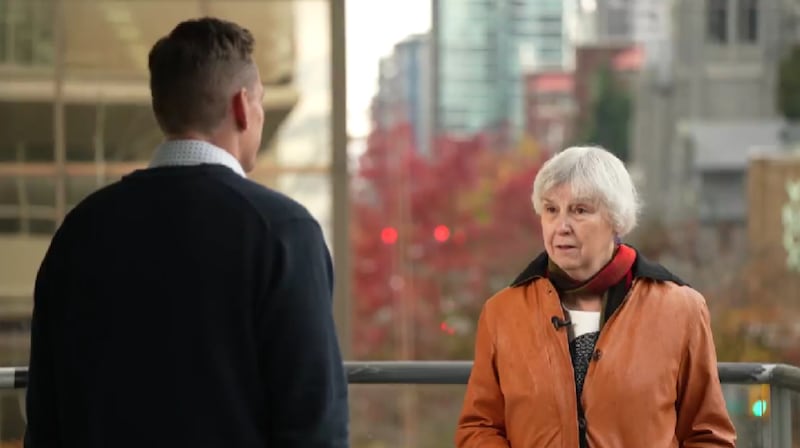
Mistlberger recommends getting bright light in the morning and reducing exposure to bright light in the evening.
He says light boxes used to help treat seasonal affective disorder can provide a source of bright artificial light for people who have to get up before sunrise. In the evening, he suggests warmer, dimmer lighting.
Schools and workplaces could also install smart-lighting systems, Mistlberger said, to provide brighter light earlier in the day.
Going forward, Mistlberger says it’s time to make the long-discussed change data has already shown could benefit teenagers: a later start time at school. “At the very least,” he said, “We can offset some of the impact by moving to an hour later school start time.”
Will the change last?
Mistlberger says he’s interested to see how the change will end up being embraced, and notes for some, it will provide no hardship at all. “If you normally don’t get up until after sunrise, even on the latest sunrise of the year, you’re not even going to notice it.”
Hall doesn’t think B.C. will stay on permanent daylight-saving time for long.
“I think it might last for a year, and then they’re going to have to reconsider,” she said. “People will be very, very upset about the effect it’s having on their adolescents and children.”

