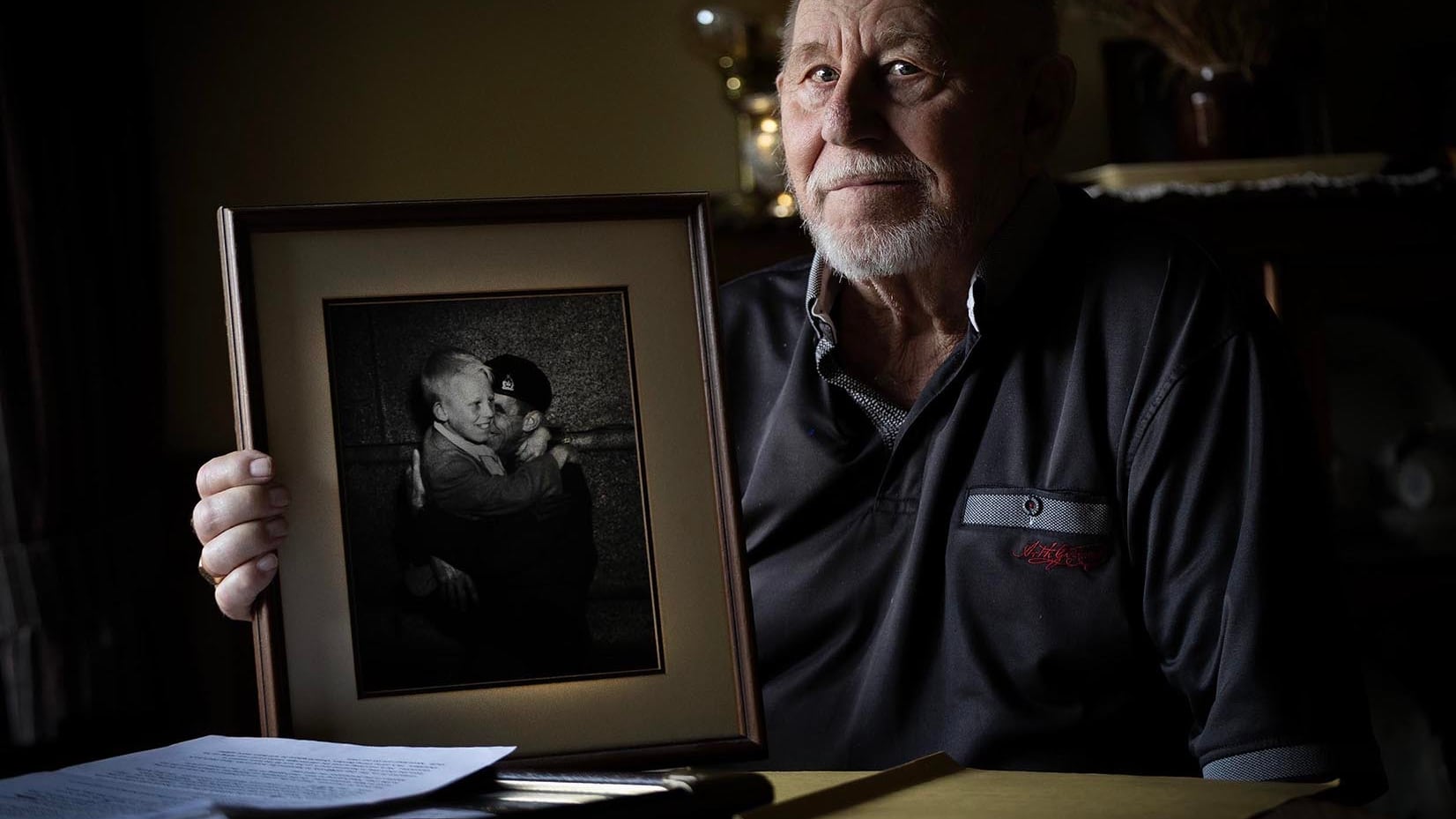
For more than 30 years photographer Len Wagg has captured touching images from European war cemeteries and monuments.
“When you walk through them, you feel like you are on hallowed ground,” said Wagg, who has written a new book. “At Home and Beyond, Honouring Canada’s War Dead”. In the book Wagg examined the bravery and sacrifice by Canadians during the First and Second World Wars through pictures and short summaries.
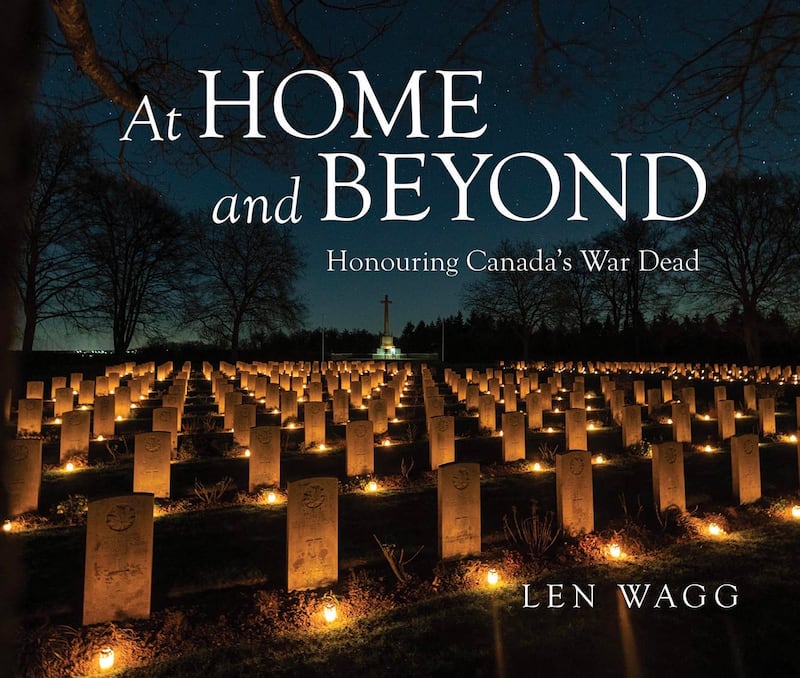
Throughout the book Wagg also highlighted the continued expressions of gratitude shown by Europeans toward Canadians to this day because of the efforts and sacrifices made by Canadians during both wars.
According to Veterans Affairs Canada, 66,000 Canadians died in the First World War, while more than 42,000 lost their lives in the Second World War.
“What they left behind overseas was a lot of respect from a lot of the world,” said Wagg.
That respect is felt especially at the Menin Gate Memorial in Ypres, Belgium, which was officially unveiled in 1927, to honour the more than 55,000 Commonwealth soldiers who went missing.
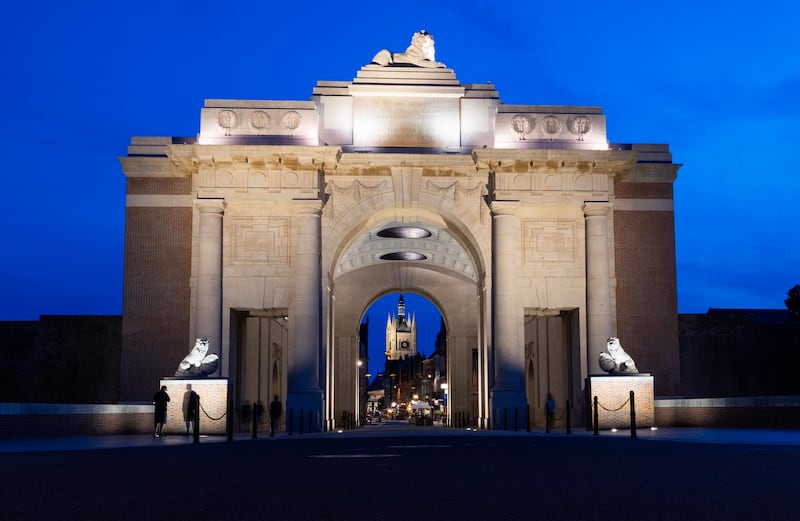
“Seven thousand of those missing are Canadians, and every single day the Last Post is played there,” said Wagg, who also used the book as an opportunity to delve into war stories that some Canadians might not know about.
For example, the death of Pte. George Lawrence Price who was the last Commonwealth soldier killed in the First World War. Price was a Canadian who died on November 11, 1918, and was laid to rest in St. Symphorien Cemetery near Mons, Belgium.
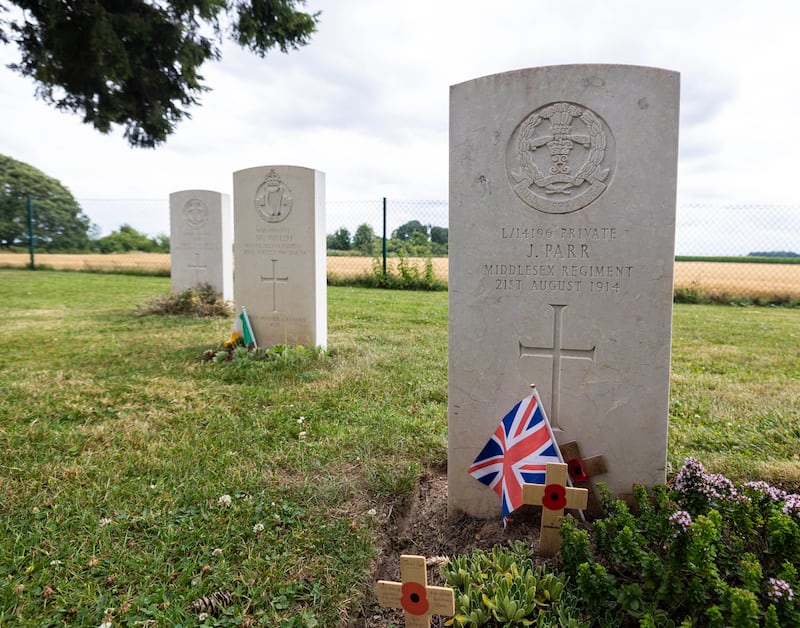
“About 10 metres way there is a Pte. Parr from the British Expeditionary Force who is buried there and he was the first one killed in the war,” said Wagg. “And between those two graves you could say there were 20-million others killed.”
Wagg also focussed on some historic moments closer to home, like five-year-old Warren “Whitey” Bernard reaching for his father Jack, as he marched off to war from New Westminster, B.C., in 1940. The picture of the two, called “Wait for me Daddy” captured by photographer Claude P. Dettloff, was shown around the world and used to rally support for the war effort both in Canada and abroad.
“That picture showed us the tragedy of a little boy,” said Wagg, who updated the Bernard family history with a picture of Whitey’s post-war reunion with his father.
“Whitey said it was the happiest day of his life and that’s why I chose to have that photo of the day when he came home,” said Wagg.
The book also has a Halifax-focused chapter on The Last Steps Memorial Arch, which honours the more than 350,000 Canadian military men and women who left for Europe from Halifax Harbour, during the First World War.

“It was such a significant place in our nation’s history,” said Corinne MacLellan, who helped lead a volunteer campaign to get the arch rebuilt and unveiled in 2025.
Artist Nancy Keating’s great grandfather served in the war and teamed with MacLellan on the effort to generate funding for construction of the arch. Keating designed the monument to honour her family’s history and the Canadian men and women who boarded ships to be taken overseas.
“It was to remind myself, and my family and everyone about the importance that Canada had,” said Keating.
Wagg wants all the pictures and stories in the book to serve as a commemoration of the contributions made by Canadians and how those sacrifices are remembered today at home and beyond.
“These people gave their lives for our country,” said Wagg.

