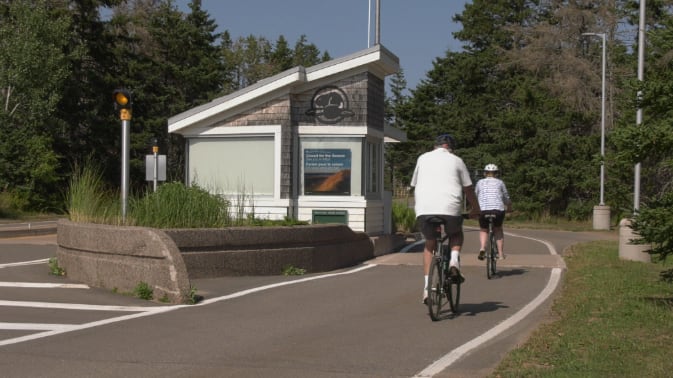
BRACKLEY BEACH, P.E.I. – More than half of Prince Edward Island’s Parks Canada workers are waiting to find out if they’ll lose their jobs as the agency prepares to slash hundreds of positions across the country.
The federal agency told CTV News 53 of its 98 employees on the Island received notices in October their roles might be affected. It’s not clear yet how many will be laid off.
“These are real people with real lives and real concerns about what’s coming for their future,” said Chris Di Liberatore, a regional executive vice-president with the Public Service Alliance of Canada.
The cuts weren’t a complete surprise, he said, given the Liberal government’s comprehensive expenditure review aimed at reducing the size of the federal public service. But the number of employees facing an uncertain future caught the union off guard, as did the timing.
Some members received the news on the last day of their working season, something Di Liberatore called “quite disrespectful”.
Nationally, Parks Canada plans to eliminate the equivalent of around 500 full-time positions and has notified nearly 3,000 employees their jobs are impacted by the adjustment.
In a statement to CTV News, the agency said the positions might no longer be required due to a lack of work, discontinued functions, or they’re being moved somewhere employees don’t want to relocate to.
But their roles have become especially important as Ottawa encourages more people to visit national parks, Di Liberatore said.
Parks Canada visits rise
Amid trade tensions with the U.S., the federal government introduced the Canada Strong Pass, offering free admission to parks and historic sites to promote domestic tourism and make exploring closer to home more affordable.
It worked. Visits to Parks Canada sites rose 13 per cent in the summer of 2025 compared with the same period in 2023, prompting the government to renew the program this year.
The numbers from 2026 are not yet available, but on P.E.I., the agency anticipated significantly more traffic, warning that parking lots at popular beaches could fill before 11 a.m.
The Canada Strong Pass ended Sept. 7. The employees now in a precarious position are the same people who greeted visitors, maintained trails and campsites, and responded when hikers got lost, Di Liberatore said. Their responsibilities also extend to search and rescue.
“To reduce these members at a time when we’re asking more and more people to come and visit our beautiful parks just makes absolutely no sense,” he said.
He wonders whether artificial intelligence played a role in the decision, and whether Ottawa believes automated kiosks could replace some employees.
Parks Canada’s own 2026–27 departmental plan calls for expanding AI and automation, including virtual assistants, to improve efficiency. But the agency hasn’t linked those initiatives to the workforce reductions.
Di Liberatore urged the government to reconsider the cuts, arguing that an economic downturn is a time to strengthen public services, not reduce them.

