


The University of Guelph has promised to pay an additional $100,000 to cover some of the costs associated with this year’s Homecoming celebration.
Details of that contribution were outlined in a report to Guelph city council.
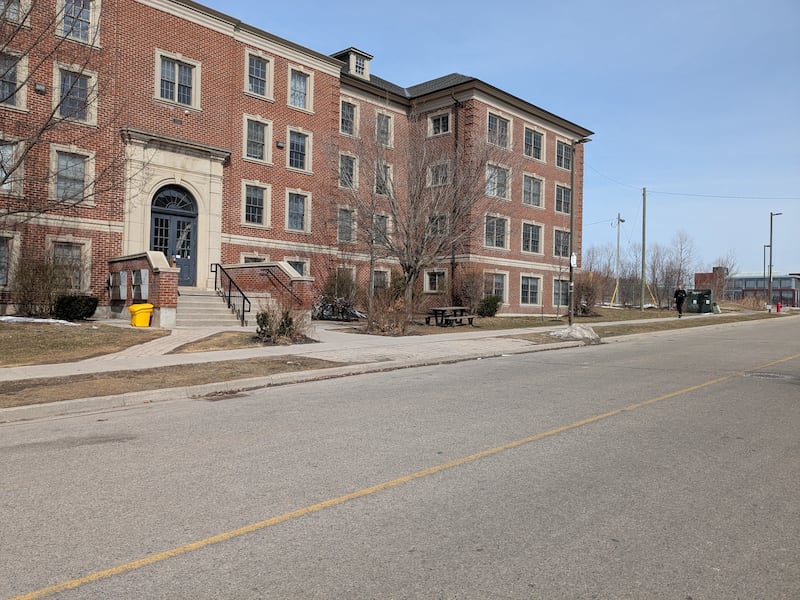
Approximately 15,000 people filled Chancellor’s Way on Sept. 26 for an unsanctioned street party. That estimate, it was noted, did not include any other private gatherings in the community.
The report described the event as “an unprecedented level of disruption, unsafe behaviour and incidents, exceeding what has been experienced in previous years.”

The Guelph Police Service said they responded to 250 incidents directly related to Homecoming. At the busiest point, officers recorded 31 incidents in a single hour — an average of one every minute and 56 seconds.
Six people were arrested that day: four for public intoxication, one for assault and one for causing a disturbance. Seventy provincial offence notices were also issued, mostly for open liquor.
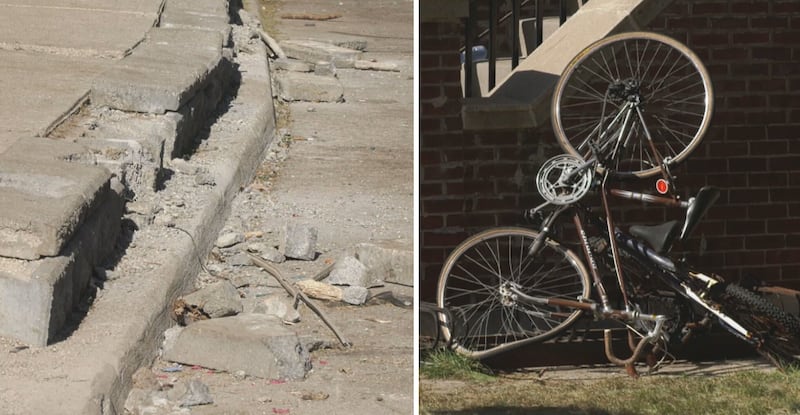
Other complaints included property damage, mischief and assault.
Police have released images of people they believe may have been involved in some of the incidents. Those photos were taken from videos circulating on social media. Sixteen people had been identified as of Nov. 2, and investigators still wanted to speak to 18 others.
Far-reaching impact
Guelph Police weren’t the only ones dealing with a large number of Homecoming-related complaints.
According to the report, Guelph Wellington Paramedic Services responded to 73 calls from 911.
“The GWPS team did 90 on-scene assessments and transported 25 patients to hospital,” it said.
A Code Zero, when no ambulances are available to respond to calls, was issued at 10 p.m. and lasted for approximately 40 minutes.
“The service recorded 10 Code Critical alerts and five Region Capacity alerts and relied on Mutual Aid from the Waterloo Region Paramedic Service who supported GWPS with five-unit responses,” the report said.
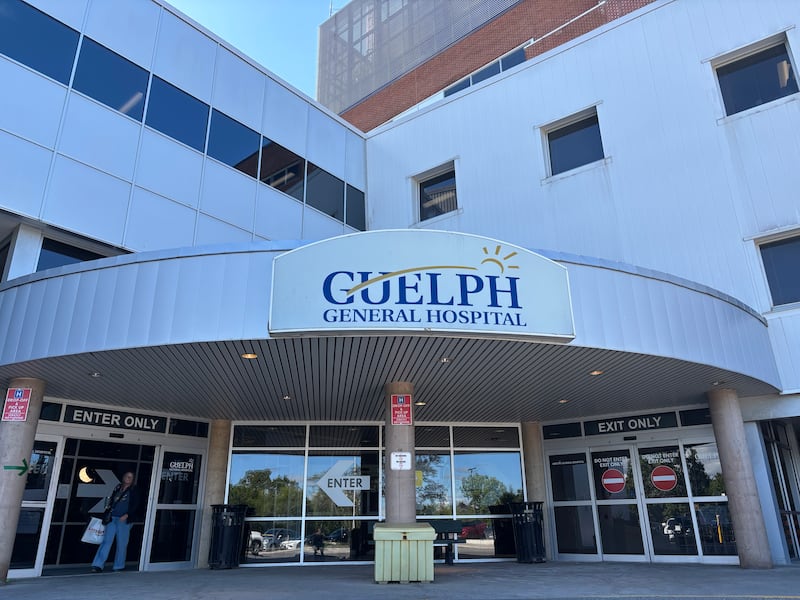
It also put pressure on nurses and doctors at Guelph General Hospital.
“[They] treated approximately 60 patients related to Homecoming events, placing significant strain on the emergency department and pushing it beyond normal operating capacity,” the report noted. “Despite the efforts of on-scene paramedics to triage patients and divert non-critical cases away from the hospital where appropriate, patient volumes far exceeded those typically experienced on a Saturday night, reaching as much as three times normal levels.”
Costly celebration
The report also detailed the financial toll associated with Homecoming:
- $6,500 for bylaw staffing and operating costs
- $3,500 for public works staffing and operating costs
- $8,500 for fire services staffing and operating costs
- $10,000 for paramedic staffing and operating costs
- $4,500 for Waterloo Region Paramedic Service’s mutual aid
- $5,000 to repair a damaged bus shelter
- $6,000 for pre-event planning and post-event work
The cost to the city was approximately $44,000.
Guelph Police said their 88 officers and civilian members racked up 874.5 hours of overtime, or about $91,000.
All together, it totaled $135,000.
University’s response
The University of Guelph initially offered to take on the cost of 22 paid-duty police officers and the clean-up of Chancellor’s Way, as well as an alcohol recovery room to triage non-urgent medical patients.
The report stated the school also “committed an in-year financial contribution of $100,000” due to the “extraordinary circumstances” on Chancellor’s Way.
“This contribution will help offset costs incurred by the City of Guelph and Guelph Police Services,” it said.
The funds will be split between the two, with 32.5 per cent going to the city and the remaining 67.5 per cent going to Guelph Police.

