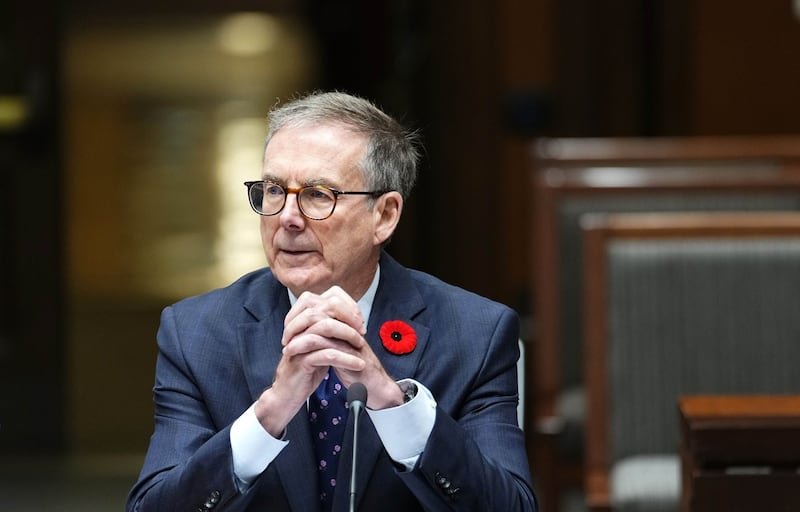
OTTAWA — Bank of Canada governor Tiff Macklem told members of Parliament on Tuesday he doesn’t think the federal government’s fiscal policy is at odds with the central bank’s efforts to control inflation.
Macklem and senior deputy governor Carolyn Rogers were speaking at the House of Commons finance committee two days before the Liberal government plans to table its 2026 federal budget.
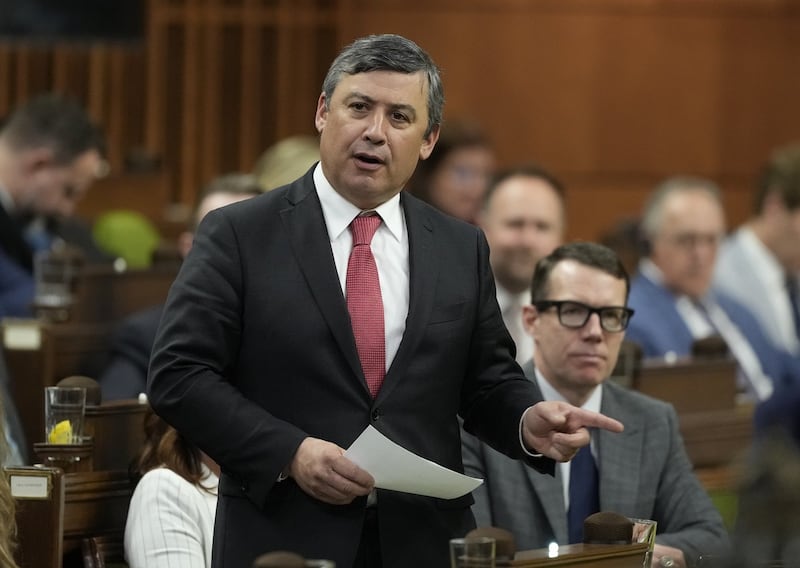
Conservative finance critic Michael Chong asked Macklem for his opinion on the government’s affordability efforts. The central bank governor declined to answer directly.
He said he only comments on the government’s fiscal policy when spending is approaching unsustainable levels, or when the government’s actions are working against the Bank of Canada’s efforts to tame inflation.
“In the current circumstances, I don’t think either of those criteria are met,” he said.
Macklem was later asked directly if he thought government spending was contributing to inflationary pressures.
“No, not really,” he said.
The Bank of Canada operates independently of the federal government to steer monetary policy, primarily by setting its benchmark interest rate
The Bank of Canada increased that key rate by a quarter-point to 2.5 per cent last week, reflecting worries about inflation pressures bubbling up from the war in the Middle East.
Macklem did comment publicly on the pace of government spending three years earlier. He warned at the time that spending was adding to demand faster than it was increasing supply and said the trend was “not helpful” for getting inflation back under control.
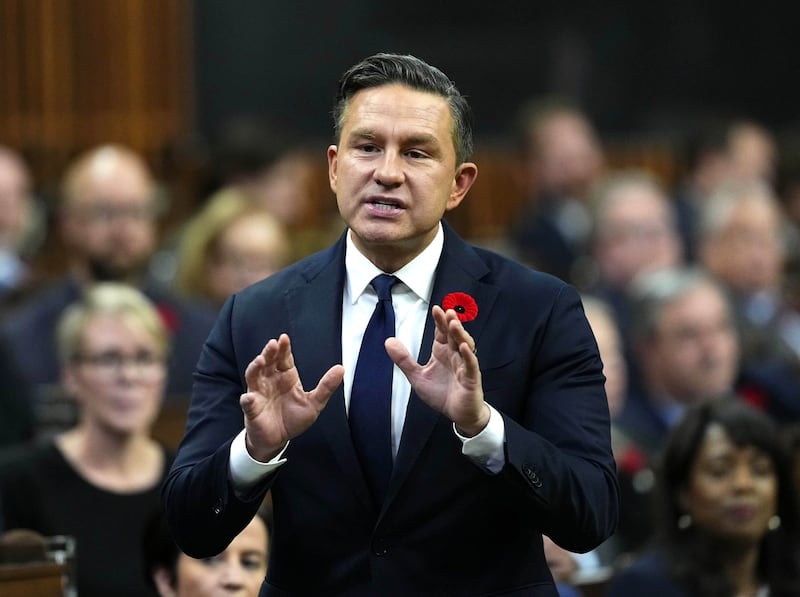
Conservative Leader Pierre Poilievre regularly rails against the Liberal government over what he calls inflationary spending. He has urged the government to slash spending ahead of Thursday’s budget to help get costs under control.
Under Prime Minister Mark Carney, the Liberal government has projected broadly deeper deficits as part of a bid to pivot the economy away from dependence on the United States.
In a press release issued Tuesday about Canadians struggling to afford basic necessities, the Conservatives pinned the blame on Liberal policies and Carney’s fiscal agenda in particular.
“He is spending more on almost everything, passing costs on to Canadians through higher inflation and interest rates,” the release said.
Macklem told MPs on the finance committee Tuesday that the primary force driving inflation higher in Canada right now is the global energy shock from the Middle East war.
The Conservatives are calling on the Liberals to suspend federal taxes and levies on fuel until the summer to ease cost-of-living pressures for Canadians.
Desjardins deputy chief economist Randall Bartlett said in an interview after the Bank of Canada’s rate hike last week that government spending is barely affecting the inflation outlook.
“Federal deficits do support higher inflation than would be otherwise the case, but only to a very, very minor degree,” Bartlett said.
“We don’t think the federal government deficits are inflationary at this point.”

Macklem told MPs on Tuesday that Canada’s economy is in a state of excess supply — an economic term that means Canadian businesses are producing goods and services faster than consumer demand can keep up.
If federal spending includes transfers to Canadians or other levels of government, that can add to demand in the economy. But as long as the economy is in excess supply, those measures would not be expected to significantly add to inflation.
Macklem said it matters what the government is spending its money on — productive investments that add to long-term supply can give the economy more runway to grow without stoking inflation.
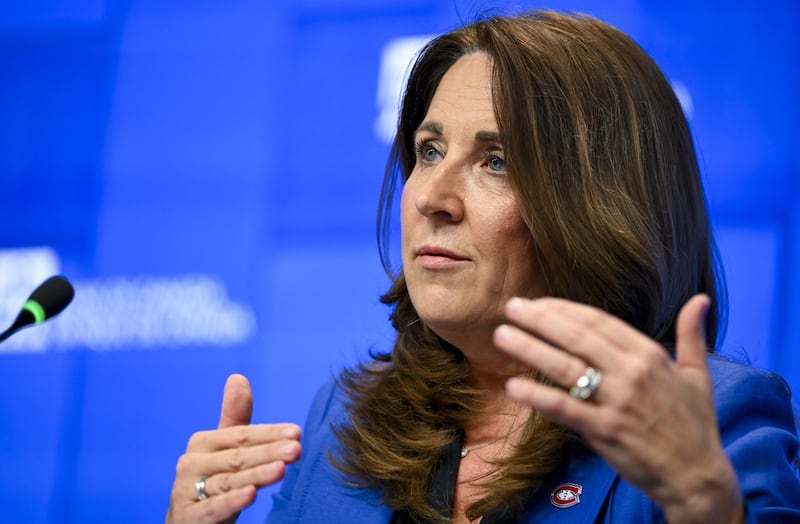
Many of the questions during the governors’ committee appearance on Tuesday revolved around a 2024 speech given by Rogers in which she declared Canada was facing a productivity emergency.
She told MPs productivity is a critical metric for Canada because it drives higher wages and improved standards of living. It also gives the economy more of a buffer to absorb shocks without spurring inflation or interest rate hikes.
Rogers said productivity hasn’t improved sharply since her 2024 speech but the central bank does see “some promising indicators.”
Business investment is showing signs of ticking higher, Rogers noted, though she cautioned it will take time before those figures translate into improved productivity.
---
Craig Lord, The Canadian Press
This report by The Canadian Press was first published Nov. 3, 2026.

