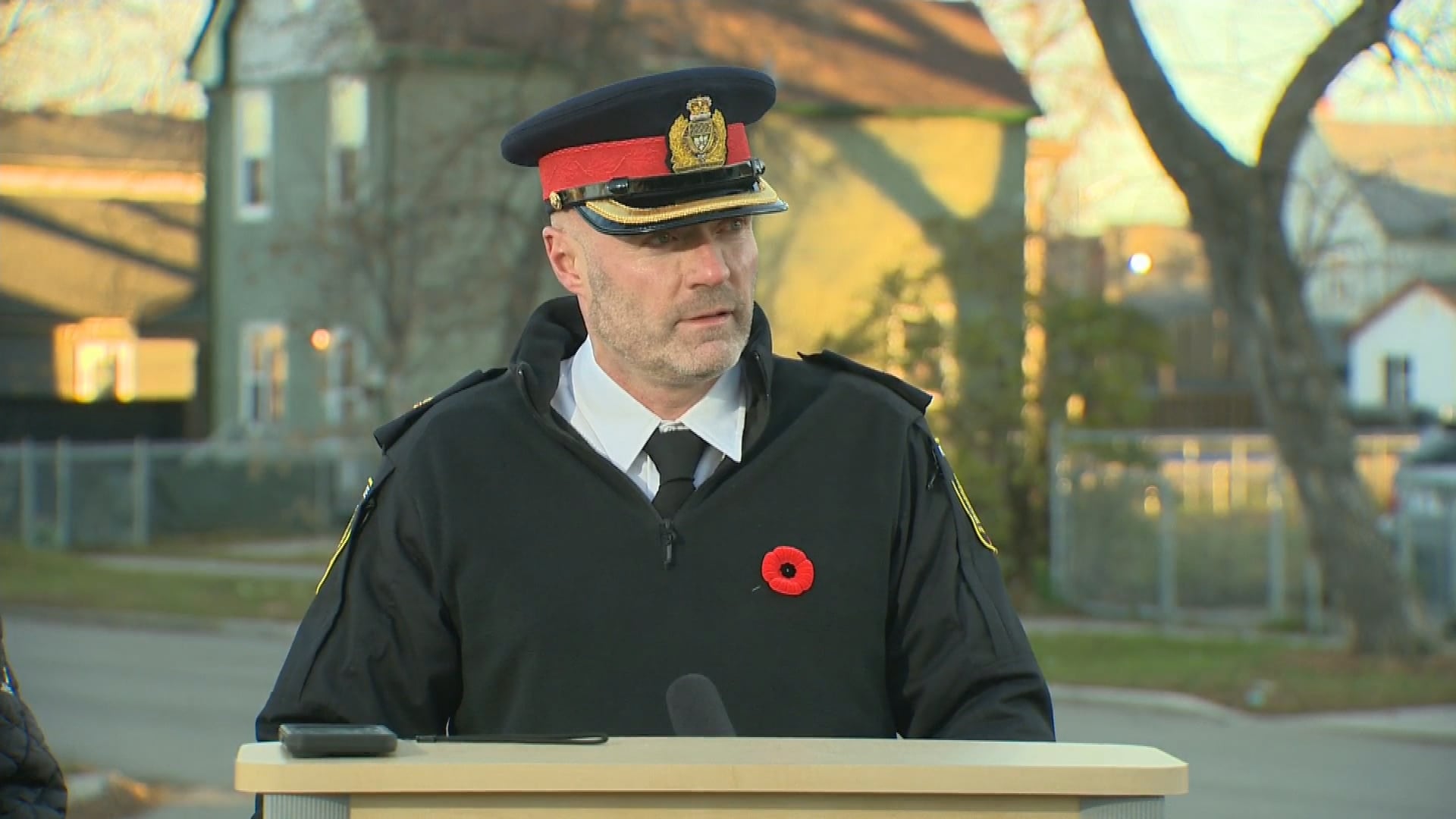
Winnipeg police made more than 600 arrests during a multi-month project aimed at curbing drug trafficking and crime in the inner-city, but say it still wasn’t enough to restore order.
“With all due respect, we policed the hell out of this area and did what we could to get rid of the drug traffickers and the lawlessness. But it’s still here,” Insp. Elton Hall said Thursday as he announced the results of Project Revive.
The project, which ran from May 15 to Sept. 30, targeted the William Whyte and Point Douglas neighbourhoods and was carried out by the North District’s 16-officer community support unit. Hall said general patrol officers also increased patrols in the area by 20 per cent, and the guns and gangs unit added resources when available.
He said the two neighbourhoods are in the grip of a “toxic drug crisis” and have experienced an “unprecedented increase in crime,” which is affecting every aspect of community well-being in the area.
As part of the crackdown, Hall said police made 423 arrests and 202 more on warrants. Officers executed eight search warrants at what Hall called “problem residences,” including drug houses and sex-trafficking locations. Police also disrupted a break-and-enter network.
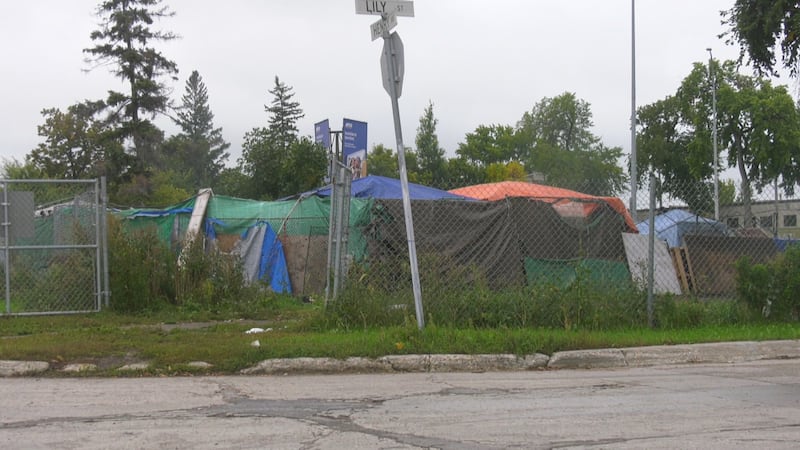
The project also resulted in police relocating 24 encampments and having Narcan administered to 124 people in July and August. Police seized about $250,000 worth of illegal drugs, along with firearms and about $45,000 in cash.
“There was absolute lawlessness and chaos at the height of the end of July,” Hall said. “The encampment issue was so problematic in Point Douglas at one point, and William Whyte, that we actually did not know what to do.”
Hall said police partnered with several community-based agencies operating in the area, including Ndinawe Youth Resource Centre, to connect with people requiring assistance.
While he called the initiative a “great success” from a policing perspective, he said “there’s still a lot of disorder, lawlessness, and problems” in the area.
Hall said police can’t fix the problem alone and called for a co-ordinated plan among all three levels of government, along with health and housing agencies.
“Police cannot be expected to solve a housing and social service crisis through enforcement alone,” he said. “These are all medical issues and issues outside of policing.”
Enforcement alone not a solution, officer says
Hall said local shelters are short on money and police have no beds to turn people over to.
“It comes down to money; it really does, because the police can’t do this on their own,” he said. “The officers worked hard. A lot of them didn’t take their annual leave. A lot of overtime.”
On Thursday, the federal government released a budget that included more than $1 billion for a Centre for Mental Health and Addictions in Winnipeg. The commitment includes up to $800 million to build 2,000 housing units.
Hall said his community support unit alone could use another 25 or 30 officers, though he called that unrealistic given budget constraints. He also said the city needs more police officers, adding that the police service hasn’t been able to keep up with funding and supplying the human resources to deal with the city’s growth.
During his re-election campaign, Scott Gillingham pledged to add more police officers in the next several years in a way that Winnipeggers can handle through their taxes, saying the city will go back to its 2016 ratio of police to population.
Hall also said vacant homes in the area are a problem. “The landlords need to be dealt with, or the homes need to be torn down and dealt with,” he said.
Longtime area resident ‘optimistic,’ urges more reporting
Darrell Warren, president of the William Whyte Neighbourhood Association, said he’s “optimistic” for the area’s future because of the officers committed to tackling crime. However, the long-time resident also called for residents to step up.
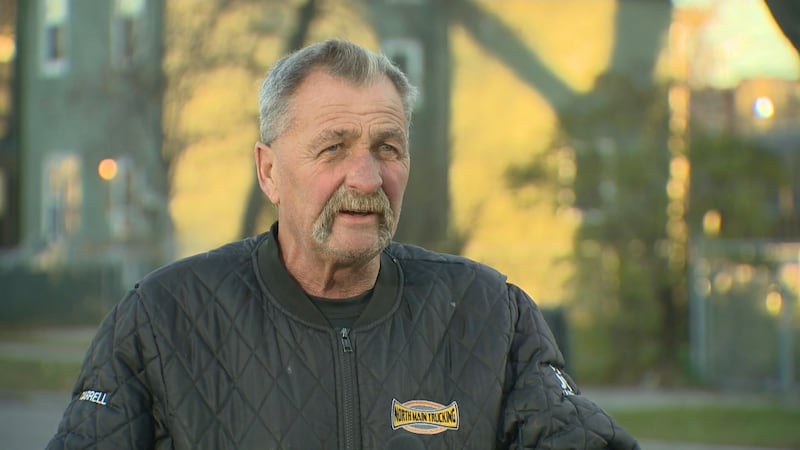
“People have to report stuff because if we can be the eyes and ears and help these officers, they won’t be so tired, and they won’t be so overworked and overwhelmed,” Warren said at the news conference.
“People have to realize that we cannot put police officers on every corner of the city of Winnipeg.”
Warren also had a message for criminals in the neighbourhoods.
“Your day has come, and your time of holding our neighbourhoods hostage has finished,” he said. “If you don’t find yourself a new address somewhere else, I promise you, your next address will be Headingley Correctional or Stony Mountain Pen.”
Hall said officers will review the results of the project and work with residents of both neighbourhoods to plan for next spring.

