WINNIPEG – Millions of litres of sewage was discharged into Manitoba’s Red River earlier this week, leaving some concerned about the potential environmental impacts on the waterway.
According to the City of Winnipeg, two bypass gates at the North End Water Pollution Control Centre opened unexpectedly and an estimated 9.8 million litres of untreated wastewater spilled into the river. That amount is enough to almost fill four Olympic-sized pools.
The gates were open for over two hours.
“We do take this incident very seriously,” said Tim Shanks, director of the city’s water and waste department.
“So, we’re working on some immediate corrective actions.”
He said the city has placed physical locks on the gates to prevent further incidents, and the provincial and federal governments have been notified.
“We’re co-operating fully with their investigations, and we’ll work with them to implement any instructions and corrective action,” he said.
In a statement to CTV News, Manitoba environment minister Mike Moyes said the province will review the city’s report to understand how the spill occurred and what measures the city is taking to prevent similar incidents from happening again.
“From there, we can determine whether there are any compliance or enforcement implications,” he said.
“Incidents like this reaffirm our government’s significant support for the NEWPCC upgrade project, as part of our commitment to protect Manitoba’s lakes and rivers.”
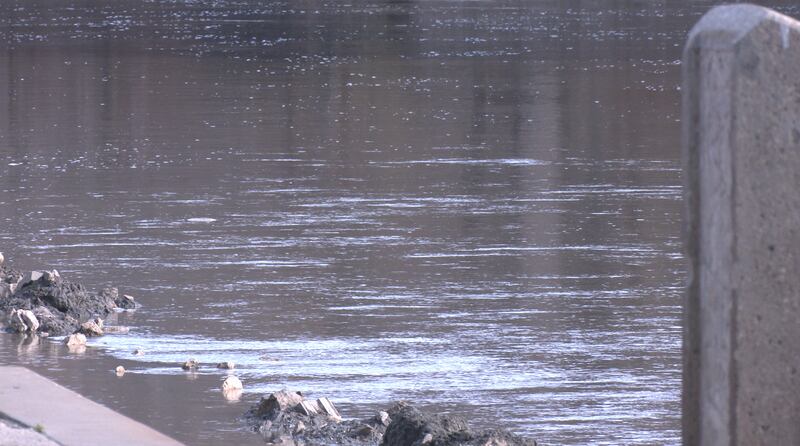
This isn’t the first time a spill has occurred.
Over 228 million litres of raw sewage from the plant spilled into the same waterway in 2024, following the failure of two sewage pipes.
The city says this latest spill is not expected to have a long-term impact on water quality, but some experts say it’s too soon to know.
“It depends on the volume and depends on the volume of the flow of the river, the capacity of the river to dilute that sewage and also, the downstream degradation of those pollutants,” said Dr. Chengjin Wang, an assistant professor in the department of Environmental Engineering at the University of Manitoba.
“Of course, it’s a concern.”
Sewage can release harmful bacteria, excess nutrients, and other pollutants into the environment.
This can negatively impact water quality, threaten fish and other aquatic wildlife, and make the water potentially unsafe for recreational activities.
There are also concerns about the downstream impact on Lake Winnipeg, which is one of the world’s largest freshwater lakes.
The waterbody, located in Manitoba’s Interlake region, is already struggling with pollution and nutrient runoff. The Red River flows directly into the lake, so seeing discharges like this is particularly frustrating for those working to protect the watershed.
“When we see discharges like this, it just sets us back so much,” said Armand Belanger, manager of the East Interlake Watershed District in Gimli, Man., about 83 kilometres north of Winnipeg.
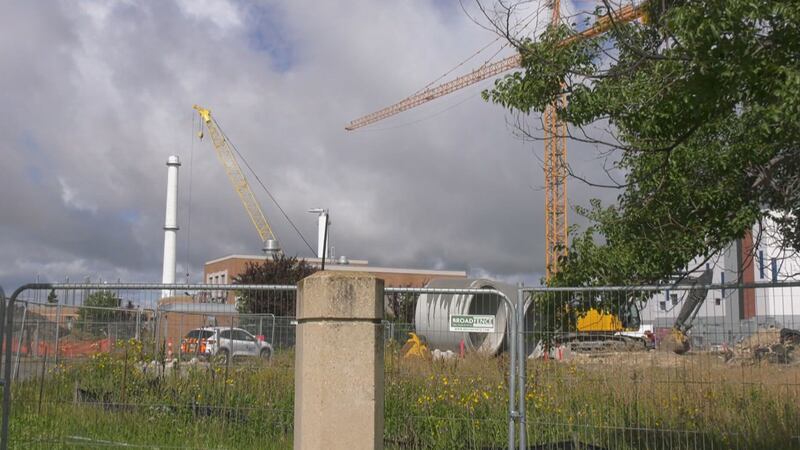
He says spills like this one can contribute to the decline of waterbodies like Lake Winnipeg.
“There’s just a series of events that could happen with discharges like this that take place,” he said.
“Watershed districts are working really hard on the landscape to reduce nutrients and water running off the land into the water.”
“We’re doing things like restoring wetlands, making water storage, planting trees, planting native grassland, restoration, working with farmers on (regional agricultural) practices to keep the nutrients on the land, and things like this feels like it just leaps us back many, many steps.”

