As governments in several countries urge residents to prepare for emergencies by keeping at least three days’ worth of supplies at home, Canadian officials say the advice is nothing new, but experts warn households should take it seriously.
Recent preparedness campaigns in the United Kingdom, France and Japan have renewed attention on the importance of being self-sufficient during a crisis, including potential disruptions caused by extreme weather, cyberattacks and other emergencies.
Public Safety Canada continues to advise Canadians to be prepared to go at least 72 hours without essential services such as running water and electricity.
However, Suzanne Bernier, an instructor with the Disaster Recovery Institute of Canada, told CTV Your Morning on Nov. 4 that the message has been around for decades.
The 72-hour rule is nothing new
Bernier said the recommendation for households to be prepared to manage independently for three days is a longstanding guidance in Canada and elsewhere.
“That message ... that we’re hearing all over around the world, and in Canada, is nothing new. It’s the exact same messaging that we’d given out ... 30 years ago,” she said.
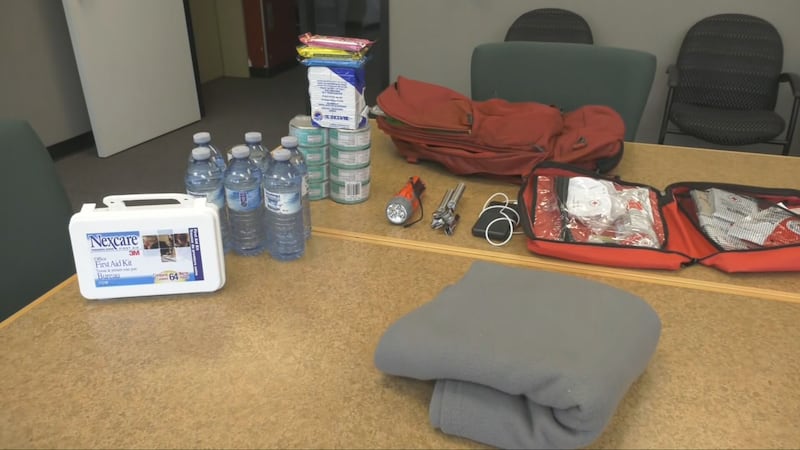
She added that emergency preparedness has traditionally included having an emergency kit ready to go in case residents are suddenly forced to evacuate.
Cyberattacks among growing concerns
While severe weather and natural disasters remain important considerations, Bernier said cybersecurity threats are increasingly part of the emergency preparedness conversation.
“We know that at any given time, at some point soon in the future, each and every one of us will have been impacted, either directly or indirectly, by one of those potential cybersecurity attacks,” she said.
Bernier added Canada is making progress in understanding the risks associated with cybersecurity, alongside other potential threats.
Canadians should not panic
Bernier said the renewed attention on emergency preparedness should not be a reason for people to become alarmed.
Instead, she said, it is an opportunity to revisit whether households are adequately prepared to manage if emergency services cannot reach them immediately.
“And another reason why this message is going out reminding people about having 72-hour kids prepared, is that we haven’t really moved the bar that much ahead over the past 30 years,” she said.
Her advice to Canadians hearing the renewed warnings is straightforward: “Not to be upset about it, or to be nervous about it, and just to remember, it’s something that we try to remind people regularly.”

