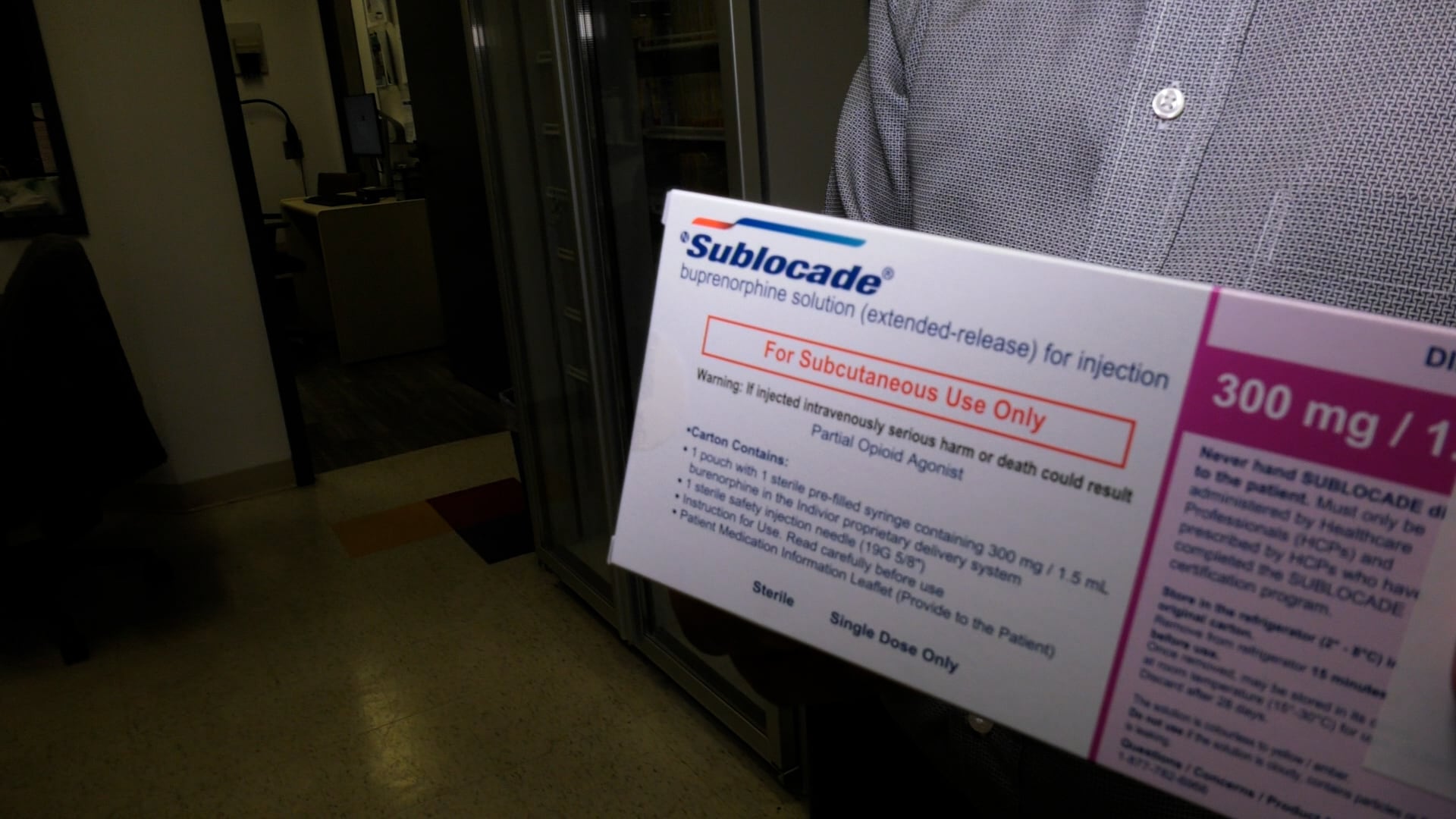
There is encouraging news for people struggling with fentanyl addiction.
A London physician has found that one opioid treatment appears to be more effective at preventing overdoses than three other commonly used therapies.
The treatment, known as Sublocade, was first administered in Canada at London’s Rapid Access Addiction Medicine (RAAM) Clinic in 2019. Now, research led by the clinic’s medical director suggests Sublocade not only helps reduce fentanyl cravings, but also offers the strongest protection against overdose when compared with methadone, Suboxone and Kadian.
“What it means is, if people are on methadone or Suboxone, you can still overdose. Whereas if you’re on Sublocade, you don’t overdose,” said Dr. Kenneth Lee, medical director of the London RAAM Clinic.
Researchers analyzed data from 45,243 people who experienced one or more opioid-related overdoses between 2022 and 2024.
Among those receiving opioid agonist therapy, 4,109 people, or 9.1 per cent, experienced a non-fatal overdose, while 770 people, or 1.7 per cent, died from an overdose.

Of those 770 deaths, 58 occurred while patients were receiving methadone, 37 while receiving Suboxone and 18 while receiving Kadian. Fewer than five deaths were recorded among patients receiving Sublocade. Among people not enrolled in an opioid agonist therapy program, 640 died from an overdose.
“That’s the thought, that if you block the receptors and not allow fentanyl to get in, that people will use less fentanyl,” Lee said. “But the beauty of this is that we have the secondary benefit of overdose protection.”
Unlike other opioid agonist therapies that require daily medication, Sublocade is administered as a once-monthly injection.
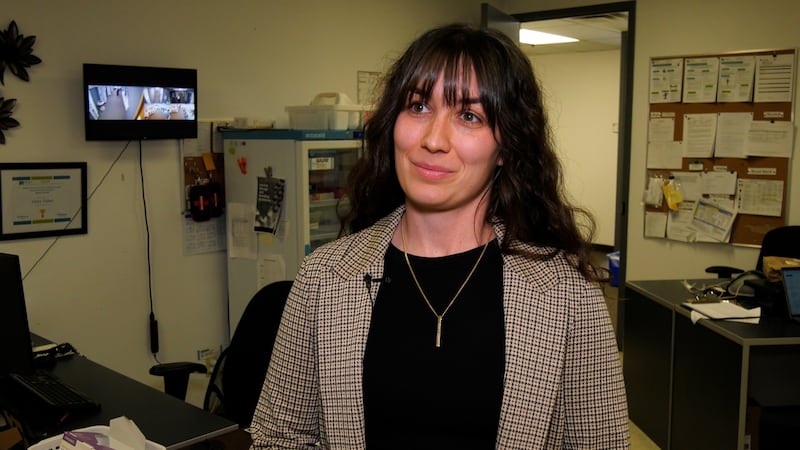
Rachel Gosling, co-ordinator of addiction medicine at the RAAM Clinic, said patients have responded positively to the treatment.
“We’ve had individuals who were really afraid of overdose, and of that potential consequence of their use, and we were able to support them reducing that anxiety while they’re still in recovery,” she said.
Lee cautioned that Sublocade’s protective effects apply specifically to fentanyl addiction and not necessarily to other substances.
“We’re doing better in terms of opioid deaths, fentanyl overdose deaths, but that doesn’t mean you can’t overdose from other things,” he said.
Lee described the findings as the first significant piece of positive news in the fight against opioid addiction in several years.
The study has been published in Frontiers in Public Health. Lee has also presented the findings at conferences in San Diego and Portland and is scheduled to share the results at the Canadian Society of Addiction Medicine conference in Calgary on Nov. 21.
“There’s the older treatments with methadone, Suboxone, but this is something that’s new on the horizon,” Lee said. “We’re trying to spread the word.”

