


WARNING: This story contains disturbing details involving the sexual abuse of children.
A jury has found Richard Neil, the man accused of sexually assaulting three children in southwestern Ontario more than 30 years ago, guilty on all charges.
Justice Rosemarie Juganovic completed her charge to the jury on Thursday. The next morning, they returned with a verdict.
Neil, now 67, pleaded not guilty to 17 charges, including multiple counts of sexual assault, kidnapping and uttering threats.
Court heard that, while he does not deny the attacks happened as the victims described, he was not the perpetrator.
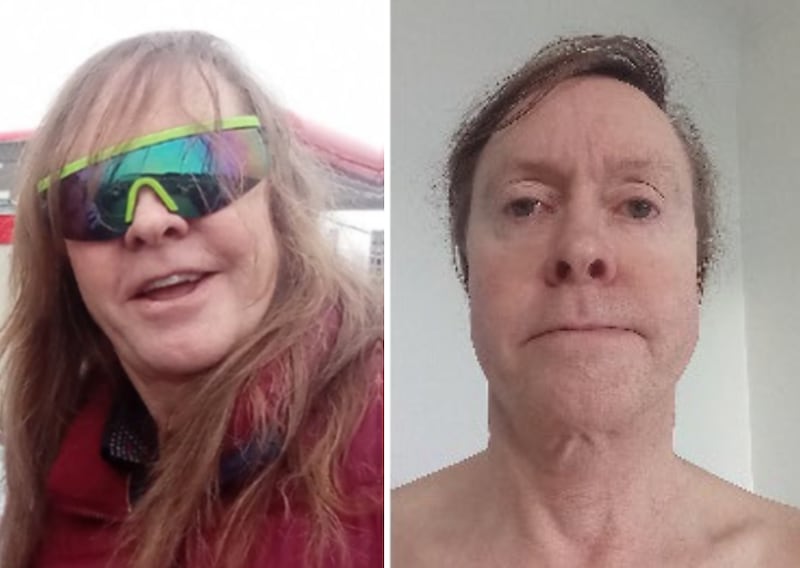
The first attack happened in1992 at Idlewood Park in Kitchener, Ont. An 8-year-old boy told police he was playing with his friends when a man he did not know lured him into the woods, offering to show the boy some bicycles, and tied him to a tree.
“I was scared,” the 8-year-old told police in a 1992 video.
The boy’s sister took the stand at Neil’s trial. She described seeing her brother walk out of the woods with a piece of rope still tied around his leg and “totally distraught, crying.”
Years later, investigators used DNA to tie the Kitchener assault two other unsolved cases: the 1994 sexual assault of a 10-year-old boy in Norton Place Park in Brampton, Ont. and the 1995 attack on a 15-year-old girl in Wildwood Park in Oakville, Ont. The third one was also the longest, an ordeal lasting five hours.
Police investigation
The three attacks were similar in nature: they all took place in parks, the attacker was a stranger to the children, the victims were all tied to trees with yellow rope, threatened and sexually assaulted, including being forced to drink urine.
“What these three victims were put through is not only physically and psychologically – but given their ages – it’s extremely traumatic,” said Staff Sgt. Steve Hibbard, with the Waterloo Regional Police Service, at a 1995 press conference.
Hundreds of potential suspects were interviewed as part of the police investigation, which was dubbed “Project Woodland.” They even went as far as requesting pictures from a Russian satellite in their quest to find the “Woodland Rapist.”
Authorities reopened the case in 2009 and Neil was arrested in March 2024.
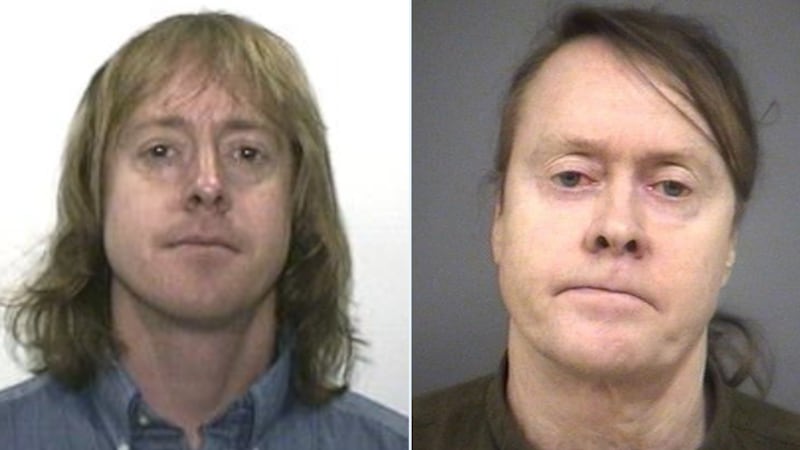
Neil’s trial
At trial, the Crown argued the evidence implicating Neil was “so overwhelming that we need a new word for overwhelming.”
Evidence from all three crime scenes, including semen on one of the victim’s underwear, was matched to Neil’s DNA profile.
Neil was questioned about that when he testified in his own defense.
“It’s not mine,” he insisted.
“That’s a very unlucky coincidence for you,” said Crown Attorney Monica MacKenzie.
“It’s not my DNA,” Neil responded. “It’s not me.”
Fingerprints collected from the park in Oakville were also matched to the accused.
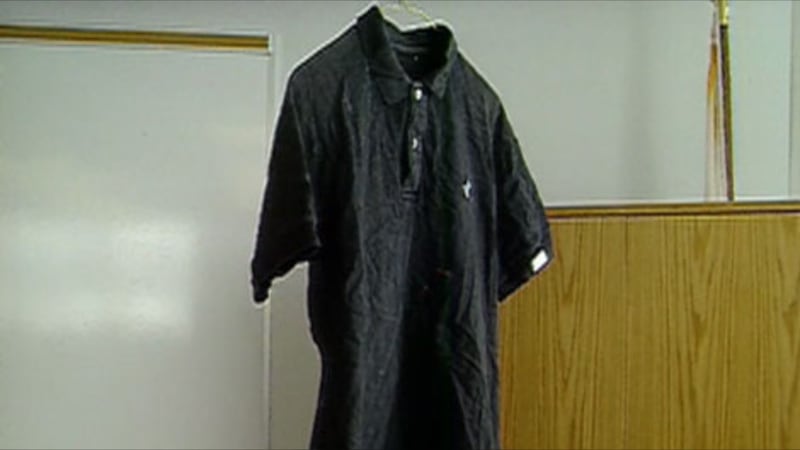
The Crown noted Neil’s “highly distinctive urine-drinking fetish identifies him.”
Neil downplayed his admitted interest in urine drinking during cross-examination, saying it is “actually quite common.” He told court it was something he started doing around 2012, and only with consenting adults.
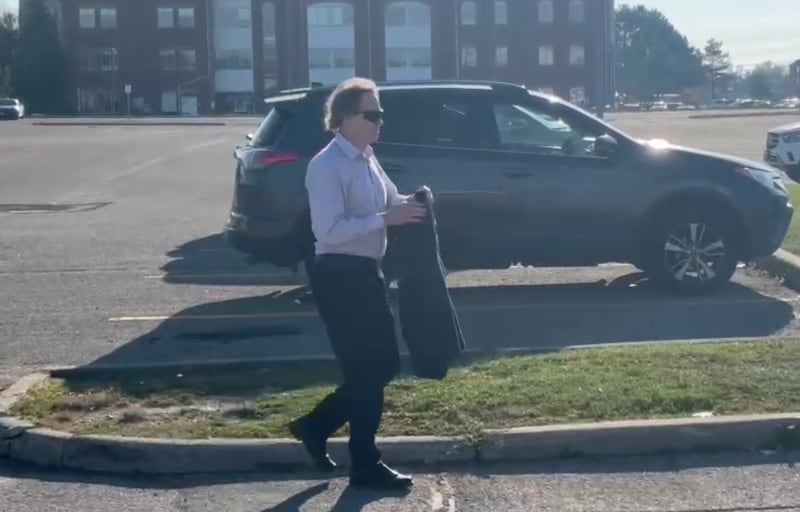
MacKenzie said that, based on the fingerprint evidence alone, “there’s no explanation other than you were the perpetrator.”
“This is what I’m hearing, but I’m completely disagreeing with it,” Neil testified.
He repeatedly denied being the perpetrator of the crimes.
Neil argued the witness’ description of the attacker did not match his own appearance in the 1990s, however he agreed other details were consistent, including a scar on the left side of his abdomen.
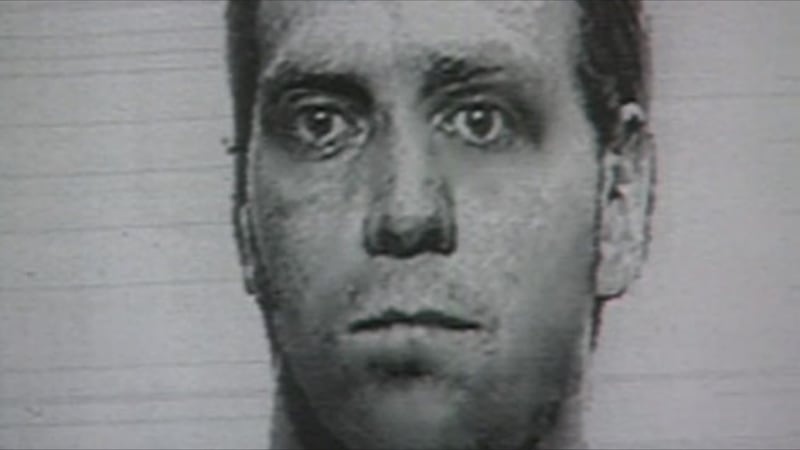
His lawyer, Leo Adler, asked directly, “Did you attack any of these children?”
“No, I did not,” Neil answered.
What the jury didn’t hear
During the second week of the trial, Adler asked the judge to declare a mistrial following evidence given by Margaret Henry, a biologist from the Centre of Forensic Sciences, who testified about the DNA evidence in the case.
Henry testified that it was 20 quadrillion times more likely that Neil was the source of the DNA found at all three scenes than an unknown or unrelated person.
The Crown prosecutor, Monica MacKenzie, asked if the items tested by the Centre of Forensic Sciences could be made available to the defence to conduct their own, independent testing of the DNA.
Henry said it could.
MacKenzie asked if the defence had made that request.
Henry replied, “No.”
Adler called the question improper, noting the accused must be judged on whether the Crown has proven its case, not whether the defense did enough to disprove it.
“Trial fairness has been seriously compromised,” Adler told Justice Juganovic.
Given the centrality of DNA evidence in the case, the defence argued it was grounds for a mistrial, something that’s considered “a remedy of last resort.”
The judge ultimately dismissed Adler’s request for a mistrial but, during her closing address to jurors several weeks later, instructed them to disregard the questions posed about whether Neil and his defense requested exhibits from the Centre of Forensic Sciences for independent testing, noting Neil had no obligation to do so.
There was also a separate incident, following Adler’s closing address and once jurors had left the courtroom. Both the Crown and judge noted a number of problems with what the defence said, specifically suggestions that were not part of the evidence presented at trial. Those included attacks on the police investigation, describing the evidence in the case as a “scandal” and suggesting errors had been made in other cases, so errors were made in this one.
To address some of the potentially misleading comments, there were additions made to the Crown’s closing address and judge’s instructions.
For instance, in her closing, Justice Juganovic noted Adler’s suggestion that police focused their investigation on Neil due to his urine fetish, given the fact the sexual assaults involved the victims being forced to drink urine.
“This submission is not evidence and should not have been made,” the judge said in her charge, saying police only learned of Neil’s interest after his arrest.
What’s next
After the verdict was read out in court, the Crown made an application to revoke Neil’s bail.
The judge granted that request after considering flight risk, public safety, confidence in the administration of justice, seriousness and circumstances of the offenses, as well as the prospect of a lengthy penitentiary sentence.
All parties agreed to return to court on Nov. 23 to discuss possible dates for sentencing.
More to come.
If you, or someone you know, is struggling following a sexual assault or trauma, please reach out for crisis support:
- Call 911 if you are in immediate danger or fear for your safety.
- The Sexual Assault Support Centre of Waterloo Region has links to local resources and support services, as well as a 24-hour support line: 519-741-8633 (Call or text)
- The Ending Sexual Violence Association of Canada’s website has links to helplines, support services and locations across Canada that offer sexual assault kits.
- Indian Residential School Survivors Society crisis lines (available 24/7): 1-866-925-4419 or 1-800-721-0066.
- Toronto Rape Crisis Centre crisis line (available 24/7): 1-416-597-8808.
- Canadian Human Trafficking Hotline (available 24/7): 1-833-900-1010.
- Trans Lifeline: 1-877-330-6366.
- Suicide Crisis Helpline (available 24/7): call or text 988.
- Sexual Misconduct Support and Resource Centre for current and former Canadian Armed Forces members: 1-844-750-1648.
- Read about your rights as a victim on the Canadian Resource Centre for Victims of Crime website.

