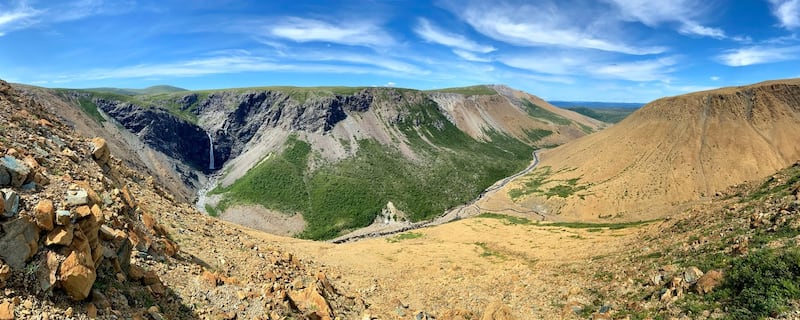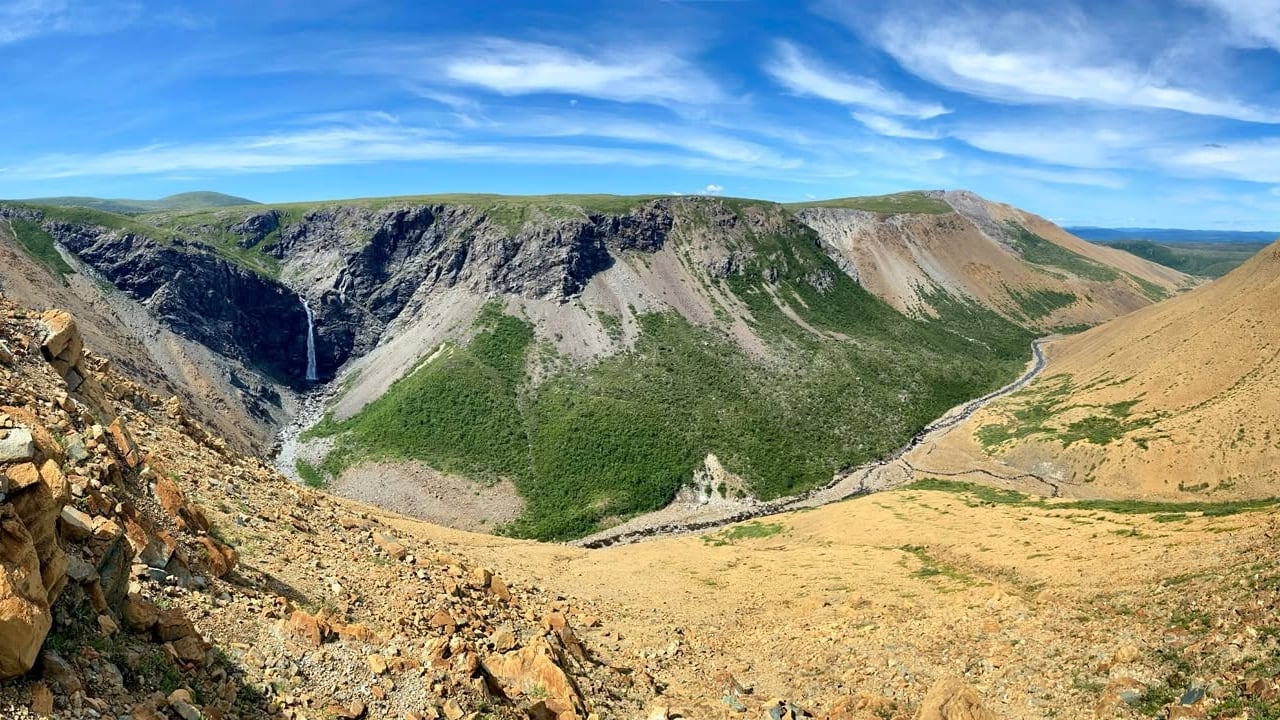
ST. JOHN’S -- Twelve years of hard work are finally set to pay off for Paul Wylezol, the western-Newfoundland man behind one of the newest UNESCO Geoparks set to receive full certification next spring.
His Cabox Geopark passed a crucial step at UNESCO’s Global Geoparks Council meeting in Paris on Nov. 4, getting a green light from reviewers. It’s now set to receive a final signoff from the body’s executive board next spring, and become the newest site in the country — joining five others already operating in Canada along with the Niagara Geopark, another new entrant set to get the UNESCO stamp at the same time.
“We like to say we’re like plate tectonics,” Wylzezol said Tuesday. “Slow, but with a lot of force.”
“The dossier itself was a lot of work. We had outside consulting help with that… but it was rewarding. It was, for us, an opportunity to put this area on the international map.”
Although they don’t automatically impose restrictions on land use like hunting or fishing, UNESCO’s Global Geoparks celebrate sites of unique geological importance. The program is newer than UNESCO’s World Heritage Sites and Biosphere reserves.
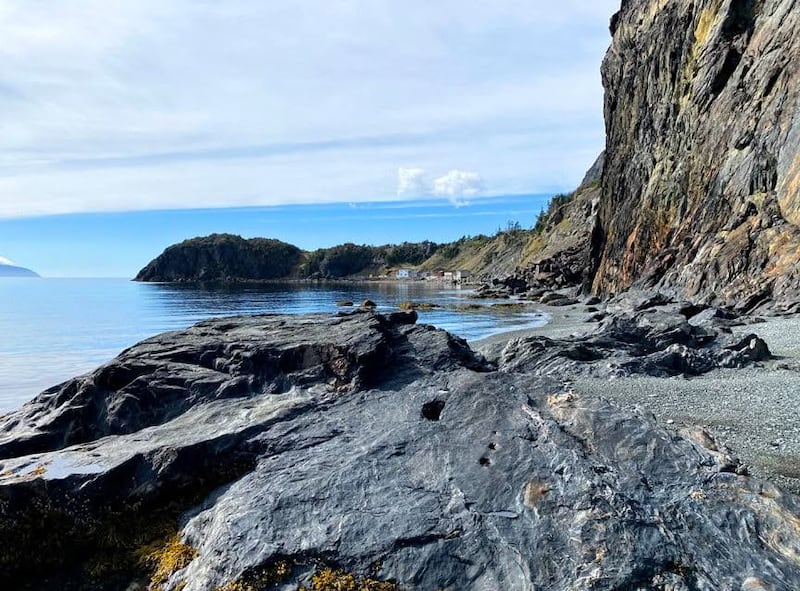
UNESCO’s reviewers said the Cabox Geopark passed tests for its distinctive nature and the park was notable for holding clear evidence in support of plate tectonic theory. To get a review from the UNESCO Global Geoparks Council Wylezol says, the Cabox park had to host reviewers from the Canadian Geoparks Network and then from UNESCO.
“We’re pretty much world famous here in western Newfoundland for the theory of plate tectonics because this area helped confirm and support the theory back in the 1960s and ‘70s,” he said.
Both Cabox Geopark and Niagara Geopark are currently operating and open to visitors. But Perry Hartwick, the chair of the Niagara Geopark, said the UNESCO stamp will bring new attention to the site.
“We’ve already seen it,” he said. “I got all kinds of positive feedback from people that have been following this for years. So there’s expressions of interest now from virtually every museum in Niagara, they’re all perking up.”
The Cabox and Niagara Geoparks share similar goals: both aim to draw tourists from their region’s big attractions, Gros Morne National Park and Niagara Falls respectively, and convince them to stay in the region longer.
“Niagara Falls is a worldwide destination… but I think it has the distinction of being one of the very shortest average stays of any destination in the world, well under one day,” Hartwick said. “There’s a lot to explore and virtually nobody who comes here knows about it.”
Hartwick said his Niagara Geopark celebrates the Niagara Escarpment and tells a story of how the geology of the region shaped human settlement and economies.
“It basically holds in warmer air from Lake Ontario to allow the tender fruit and wine industry to flourish. If it wasn’t for the geology of the Niagara Escarpment, there’d be no wine industry.”
Stonehammer Geopark in New Brunwsick was the first park admitted to UNESCO’s program. Tumbler Ridge in British Columbia became the second in 2014.
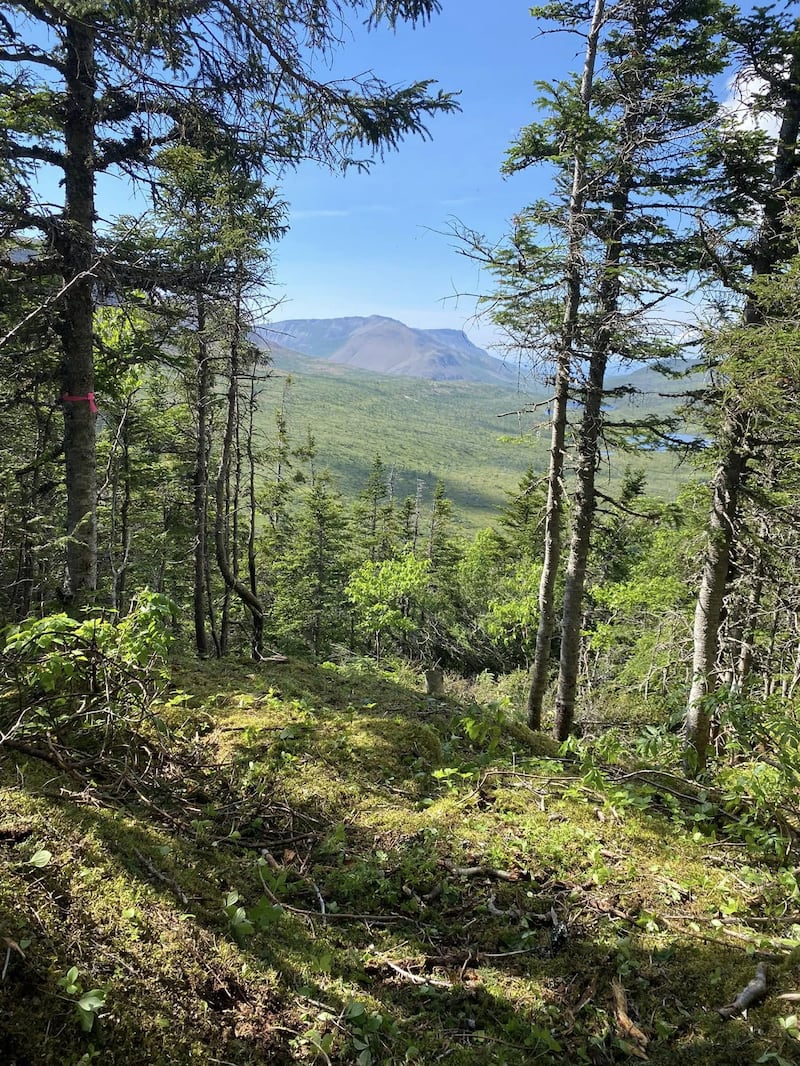
“Every geopark is very different,” said Manda Maggs, the executive dierector of the Tumbler Ridge Geopark. “Some, like my own, are looking to increase tourism because we’re a resource town and tourism is the thing that we’re really hoping will keep our town from going the way of a lot of resource towns.”
Maggs is also the chair of the Canadian Geopark Network. She said she hopes the new additions to the UNESCO group might help inspire other Canadian proponents who are considering taking the next steps themselves.
UNESCO’s blessing is not permanent. There are standards that geoparks are expected to uphold and their compliance is re-evaluated every four years.
Both the Discovery Geopark in Newfoundland and the Cliffs of Fundy Geopark in Nova Scotia regained top marks in 2025 after having been previously warned of deficiencies.
Wylezol is the chair of the Cabox Geopark and says he would like to see a permanent and bigger visitor centre to accommodate new tourists in the summer season.
He also hopes his efforts won’t simply fascinate visitors, he wants locals to take notice of what they have in their own backyard.
“In school, growing top, we didn’t learn about our own geology. You might probably learn more about the Grand Canyon or the Rocky Mountains or the alps,” he said. “So we’re trying to educate the public, locals and visitors and at the same time, hopefully encourage rural economic development.”