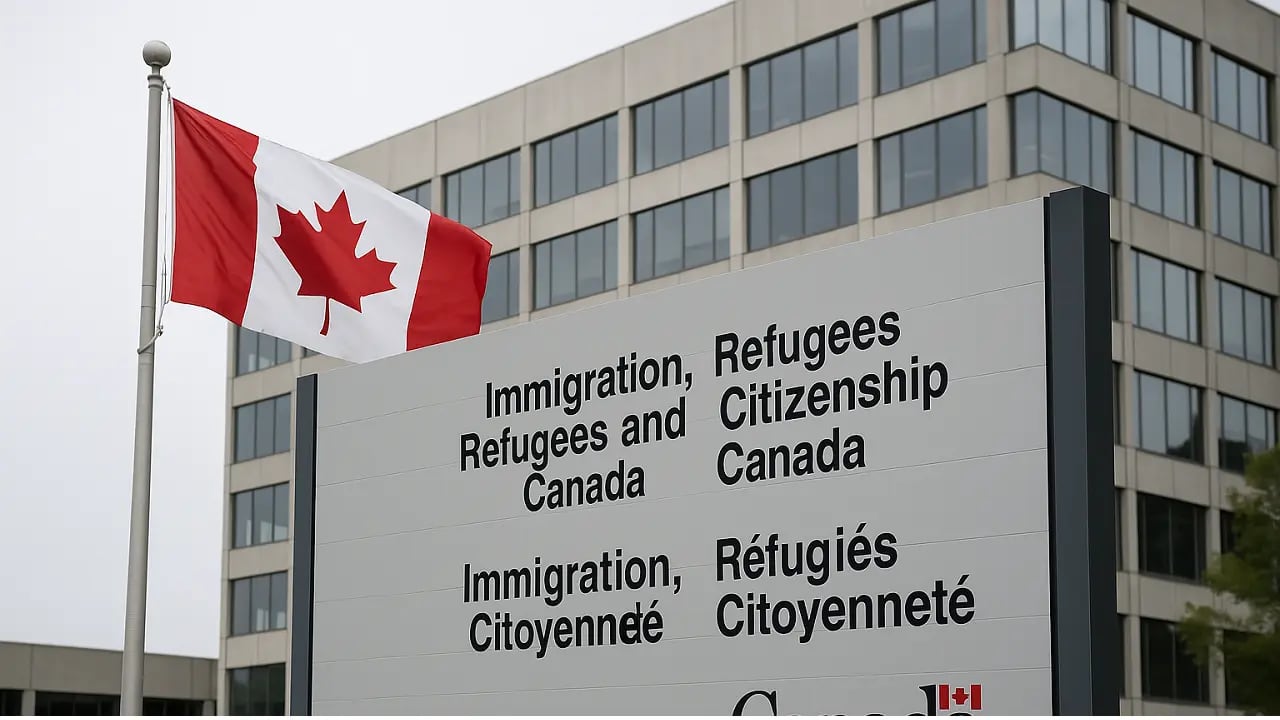
TORONTO - After more than two years of waiting for a decision on his permanent residence application, Felix Tong was considering leaving the life he had built in Toronto and returning to Hong Kong.
Then Ottawa announced plans to speed up applications under its Hong Kong pathways, giving him renewed hope of staying.
“I think it’s a big surprise for all Hong Kongers. We are so happy for that,” Tong told CTV News Sunday. “If they were not going to process our application this year, then I think maybe I need to go back to Hong Kong.”
His hopes have now been lifted by a broader federal plan to create up to 200,000 additional permanent residence spaces in 2027 for people already living in Canada.
Announced alongside the immigration levels plan earlier this month, the measure covers two groups: up to 100,000 workers and eligible family members, and up to 100,000 people in what Ottawa calls a humanitarian group.
Within that humanitarian group, the government aims to finish processing applications by the end of next year – that would result in up to 32,000 people becoming permanent residents through the Hong Kong pathways and up to 18,800 through the Ukrainian pathway.
Both pathways have stopped accepting applications, with the Hong Kong programs closing in August of this year, and the Ukrainian applications window closing two years ago.
Ottawa immigration lawyer Warren Creates said the measure could help people who have spent years waiting to learn whether they can settle permanently.
“We’re going to finalize what has been started years ago, and we will eliminate the uncertainty for this group of people that have been waiting all too long,” Creates said.
The humanitarian cohort also includes up to 12,600 people already found eligible for permanent residence on humanitarian and compassionate grounds – and up to 45,000 spouses, common-law partners and dependent children of Canadian citizens or permanent residents who are living in Canada.
The other group provides up to 100,000 spaces for workers already living in communities outside Quebec and their eligible family members, with provinces and territories helping identify workers needed in their communities.
These roughly 200,000 additional permanent residence spaces sit outside Ottawa’s regular target of 380,000 admissions for 2027.
“So the math says 580,000 people are going to be landed as immigrants in 2027. But the politics say only 380,000 are planned arrivals,” said Vancouver-based immigration lawyer and policy analyst Richard Kurland to CTV news via Zoom on Sunday.
In a social media post this month, Conservative immigration critic Michelle Rempel Garner said “Mark Carney just announced the highest level of permanent immigration in Canadian history, and tried to hide it.”
“This is on top of hundreds of thousands of new temporary immigrants that Mark Carney also approved,” she added.
Ottawa says the additional spaces will help it honour earlier humanitarian commitments, reunite families and clear applications from people who have already established lives in Canada. Its explanation for including the Hong Kong and Ukrainian pathways centres on completing work under programs it had already created.
Immigration Minister Lena Metlege Diab said the measure would help Canada “deliver faster on our promises to people from Hong Kong and Ukraine.”
The Hong Kong permanent residence pathways opened in 2021 for eligible people in Canada with Canadian education or work experience. At the time, Ottawa cited concerns about China’s national security law and deteriorating human rights in Hong Kong.
The Ukrainian pathway opened in 2023 as part of Canada’s response to Russia’s invasion. It allowed eligible Ukrainian nationals already in Canada to seek permanent residence based on qualifying family ties to Canadian citizens or permanent residents.
The latest announcement follows a shift toward lower immigration targets that began in 2024. That October, the federal government reduced its planned permanent resident admissions for 2025 from 500,000 to 395,000, saying the cuts would ease pressure on housing, infrastructure and social services.
Under the current plan, Ottawa’s regular permanent resident target is 380,000 annually from 2027 through 2029, separate from the additional measures.
For temporary residents, the plan sets annual targets of 220,000 new worker arrivals and 150,000 new international student arrivals over those same years.
With files from CTV News’ James Kim

