The New Brunswick government is adopting a policy that outlines “strict criteria” data centre proposals must adhere to in order to get approved.
The new policy maintains that no proposed data centre development will move forward without meeting certain requirements.
The requirements of the evaluation include:
- Developments must provide a net benefit to electricity utilities and their customers and not compromise system reliability.
- Projects must engage with communities and First Nations throughout the process; any commitments should be supported by binding agreements.
- Developments must be designed to minimize impacts on air, greenhouse gas emissions, water, land, local infrastructure, and the environment.
- The projects must also demonstrate economic benefits, including new investments, job creation, workforce training and opportunities for local and First Nation businesses.
- The proposed developments must also show they’re technically and financially sound and compatible with national priorities like data sovereignty.
The new policy will apply to all proposed data centre developments in the province, regardless of their current stage of planning or development.
The policy mainly gives government the tools to know when to say no to a project.
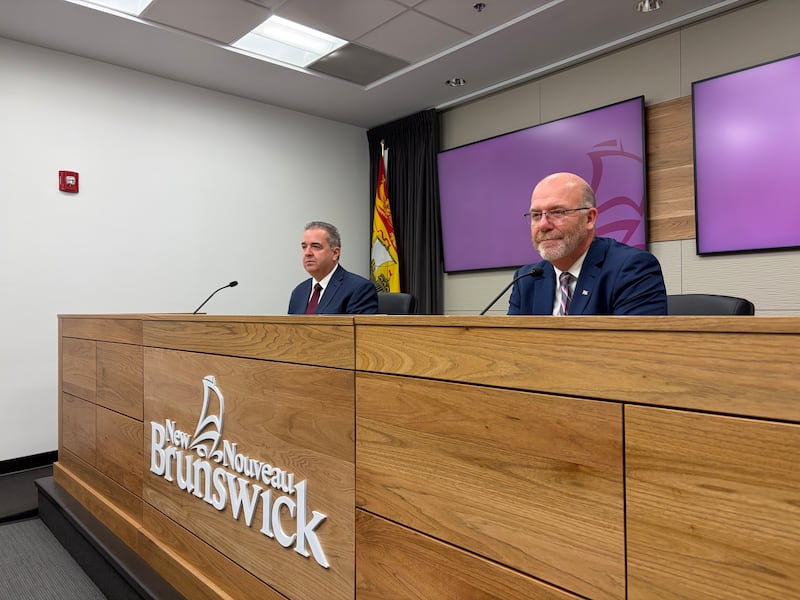
“We will say no to projects that don’t meet our requirements, and they won’t be allowed to proceed,” says Post-Secondary Education and Training Minister Jean-Claude D’Amours in a news release.
It also extends authority to municipalities to decide if proposals are right for them and offers the ability to negotiate community benefit agreements with developers.
Residents have taken to protesting proposed data centres in the province over recent months, citing concerns for water use and energy rates, among others.

“We know New Brunswickers have concerns about data centres, and that is why we have set the bar high,” D’Amours adds.
The province is doubling down on its commitment to the new policy, saying it will make any legislative and regulatory changes necessary to implement it.
Amendments to the Electricity Act are proposed to bring a new role for government to review and approve electricity supply arrangements for proposed data centres, with a focus on protecting rate payers.
“Energy demands are always a significant concern, and ensuring New Brunswickers continue to have access to the reliable electricity they depend on in their daily lives remains a top priority for our government,” says Energy Minister René Legacy. “As we evaluate new projects, it is essential that they demonstrate clear, measurable benefits for the people of New Brunswick and align with our priorities.”
The province’s policy requires projects to provide a “net benefit” to utilities like Crown-owned NB Power, which confirmed it had 10 data centre applications that would need up to 900 megawatts of power combined.
Legacy says data centre proponents are currently applying directly to the utility, which only looks at the project’s power demand and negotiates a contract.
Now, the province will look at proposed data centre project benefits before the application goes to the utility.
The province also says it will amend the Environment Impact Assessment Regulation under the Clean Environment Act to require large data centre developments to be registered for an assessment.
“The world is changing and it’s our responsibility to step up and respond,” says Legacy.
The announcement came a day after Alberta’s Technology Minister announced proposed legislation to limit large data centre developments near homes and farmland.
But not every province is on board with bringing in new rules.
Nova Scotia Premier Tim Houston says the province’s existing industrial approval process is sufficient and the government won’t require the same environmental assessments for data centres that it needs for projects like mines or quarries.
Houston says projects like the $10-billion data centre EverWind Fuels is proposing in Cape Breton must also follow the federal government’s development principals - which are not legally binding.
With files from The Canadian Press and CTV News Atlantic’s Anna Mandin
For more New Brunswick news, visit our dedicated provincial page.

