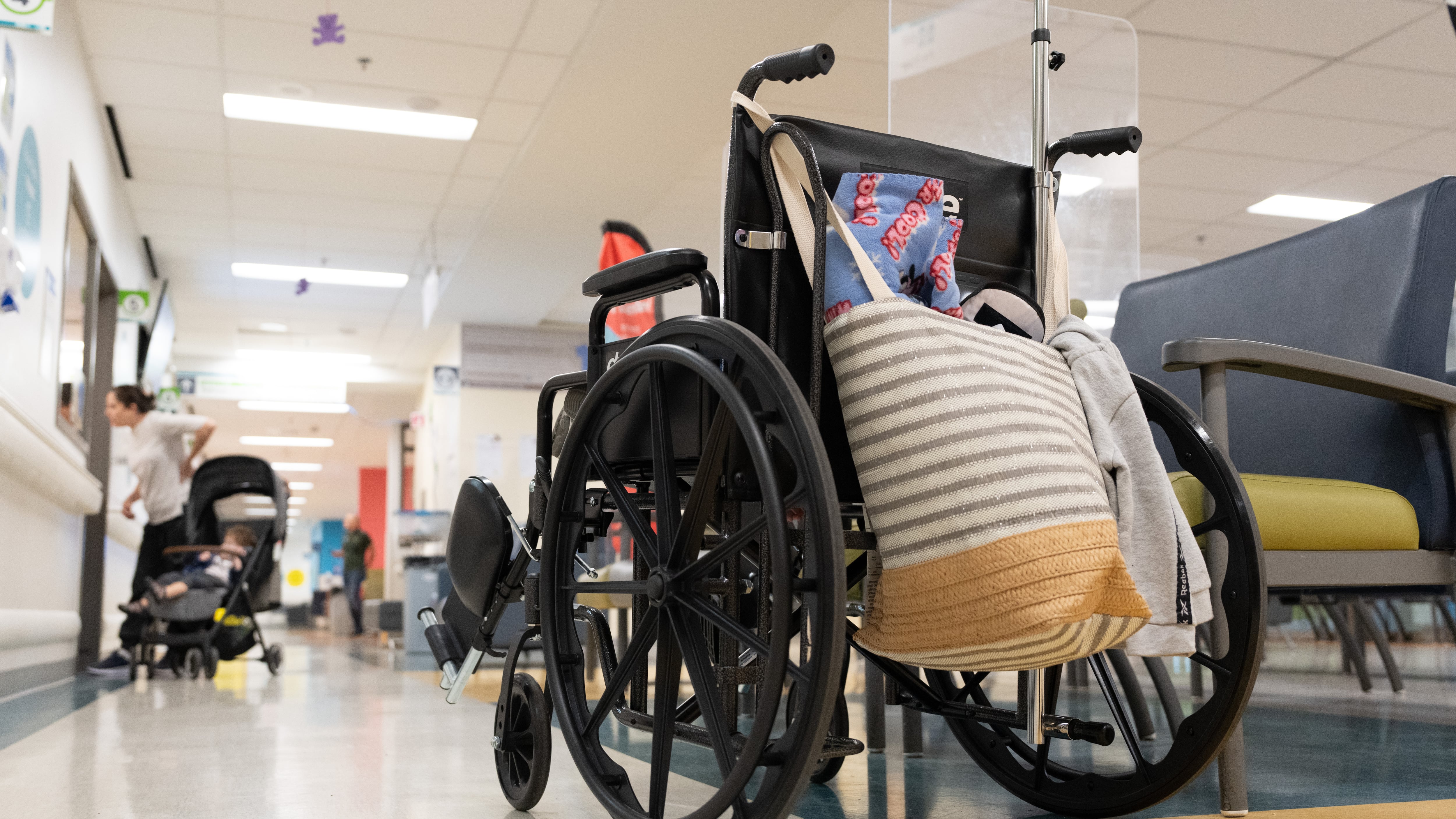
A Montreal mom says she waited hours at Montreal Children’s Hospital without being seen after bringing her eight-month-old daughter to the emergency department.
Quebec’s 811 health line advised Anngeline Smith at the beginning of November to take her daughter to the emergency department because she had a fever and was vomiting after every meal. Smith says an Info-Santé nurse was concerned that her daughter might become dehydrated.
The 38-year-old mom had called the health line two times before, seeking help to manage her daughter’s symptoms at home. However, her symptoms were getting progressively worse by the third day, when the health line advised her to go to the emergency department.
“They told me it was urgent and to go to the emergency room; I always try to avoid it as much as possible. I would have never gone if Info-Santé hadn’t told me to go,” Smith told CTV News.
‘Maybe I’ll be next’
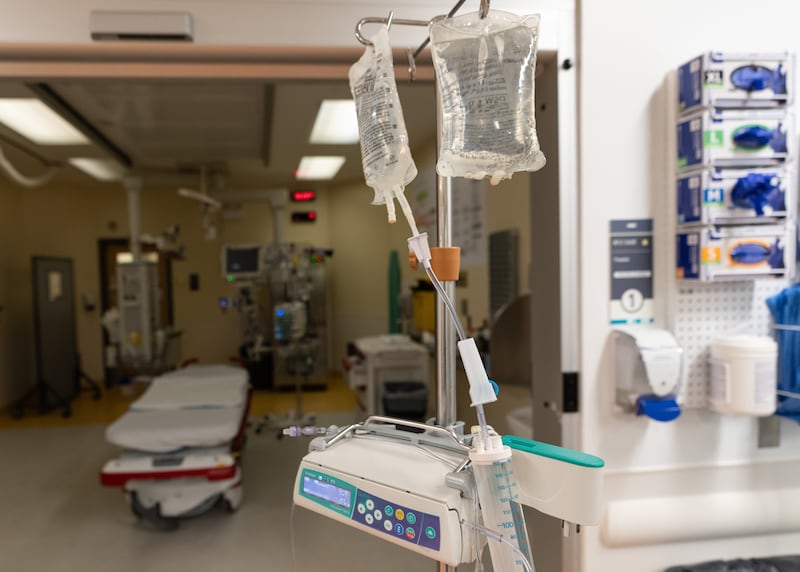
Smith arrived at the emergency department around 4 p.m. The triage nurse offered Tylenol while she waited. In the waiting area, Smith said nearly all the seats were taken.
Around 8 p.m., the hospital announced over its intercom that the wait for non-urgent cases was 15 hours.
“I was getting frustrated, but I had already been there for four hours, and they said it’s 15 hours from the moment you were triaged,” Smith said. “I kept thinking maybe I’ll be next.”
Smith said the intercom began advising parents not to come to registration to ask how long it would take to be seen, saying staff could not determine wait times and that prioirty was given to critical cases.
‘Your baby is a priority’
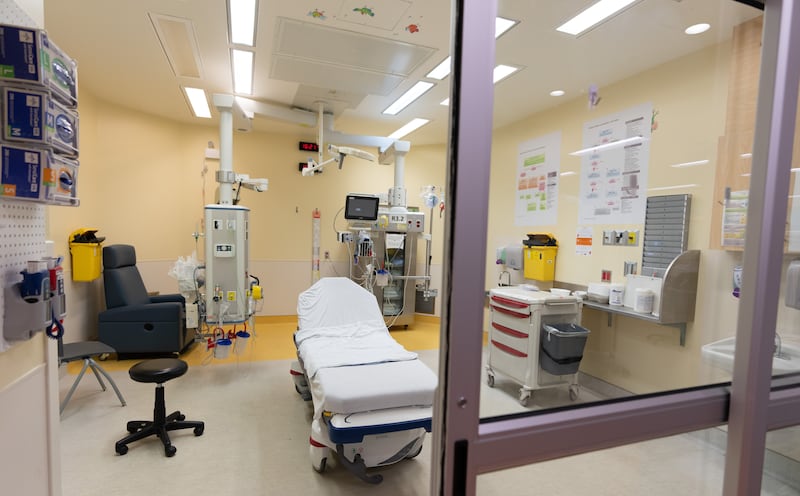
At midnight, after waiting eight hours, Smith decided she could not stay any longer. Smith was tired; her daughter had vomited four times on her, and she also had two other children at home, one of whom had school the next morning.
When she informed registration that she was leaving, staff told Smith to speak to a nurse before she left.
“I gave her the name, and when she checked, she said, ‘Your baby is a priority.’ I said, ‘How is this a priority? We’ve been here for eight hours,” Smith said.
READ MORE:
- Quebec ER wait times remain the highest in Canada
- Quebec 811 launches AI assistant in push to reduce wait times
Smith asked the nurse if she could make an appointment for her daughter the following day, but the nurse said she couldn’t because of her daughter’s age. As Smith was leaving, the hospital announced that the wait for non-urgent cases had increased to 26 hours.
Smith said two other mothers left after hearing the announcement. One had been there since 11 a.m. that morning and had already waited nearly 25 hours.
She called 811 a fourth time around 2 a.m. and got a doctor’s appointment the next morning.
“I’m not blaming the workers. They can only do so much with what they have. It is the health-care system,” said Smith.
Pressure on emergency care
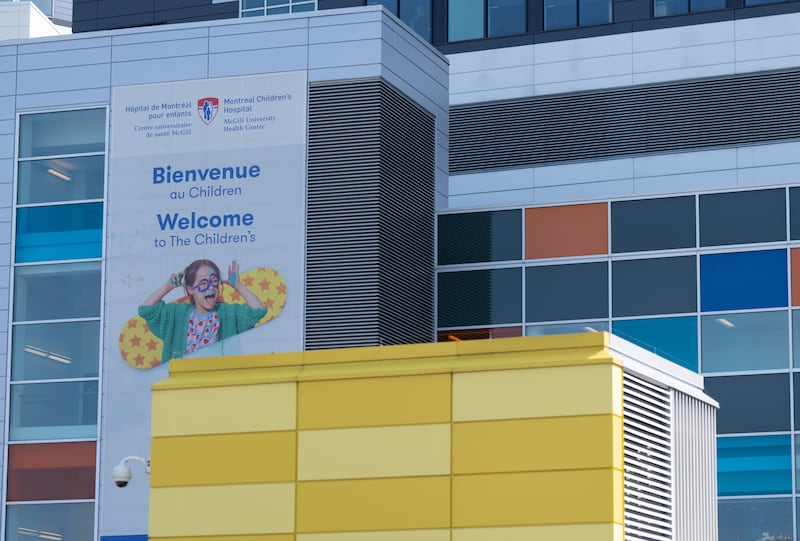
Emergency departments across Quebec are seeing high patient volumes, as the virus season is putting significant pressure on the health-care system, Sante Quebec said.
Smith visited the emergency department the same week the McGill University Health Centre (MUHC) urged Quebecers to avoid the emergency departments at Royal Victoria Hospital and the Montreal General Hospital unless for critical care.
At the same time, the Jewish General Hospital Health Centre also urged the public to visit its emergency department only for immediate care.
Santé Québec said that although it cannot comment on Smith’s case, prioirty is determined based on the severity of a patient’s condition when they are assessed during triage.
READ MORE:
- Quebecers urged to avoid two Montreal hospitals
- Quebec’s 811 wait times near two hours as peak season approaches
“Patients with the most urgent medical needs are treated first, which means wait times can vary,” the health agency wrote in a statement to CTV News.
Santé Quebec said some examples of symptoms that would require urgent medical care for adults include chest pain, difficulty breathing, signs of a stroke, severe abdominal pain, serious trauma or a significant deterioration of a person’s overall condition.
For children, certain signs of severe dehydration, extreme drowsiness, difficulty staying awake, or seizures may also require an assessment in the emergency department.
“Because every situation is different, when in doubt, we recommend contacting Info-Santé 811. A nurse can assess the situation and direct the person to the most appropriate health-care service,” the statement reads.
“We remind the public that anyone requiring urgent medical attention should not hesitate to visit the emergency department.”

