ST. JOHN’S - A new wave of health-care spending has several provinces looking overseas once again to fill family doctor shortages at home.
Manitoba, Ontario and Newfoundland and Labrador have each added more capacity to their Practice Ready programs, a set of fast-track licensure programs that assess whether foreign-trained doctors can meet requirements to practice in Canada.
The expansions this fall, focused on increasing pathways for internationally trained doctors to practise in Canada. The programs in Manitoba and Ontario received funding from the federal government, and will both try to deliver doctors to rural and remote parts of those provinces.
“Anytime that someone says that we filled all our positions, we need to keep recruiting,” said Newfoundland and Labrador Premier Tony Wakeham. “That’s the challenge in health care, it always has been.”
A new path for international doctors
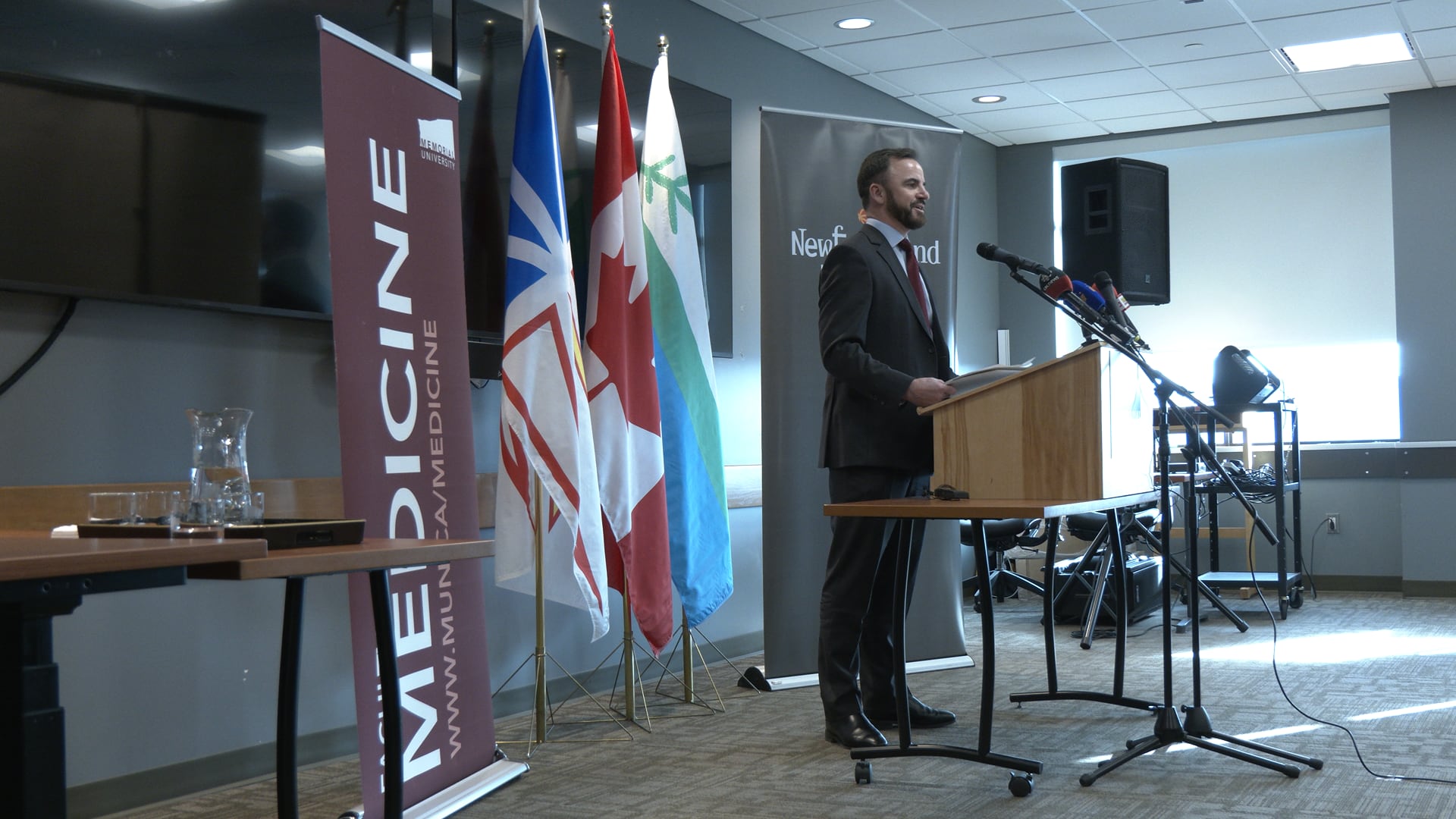
Newfoundland and Labrador’s program, touted Tuesday by health officials in that province, has created a second pathway for international medical graduates. It will allow some with family medicine training that do not meet standards in hospital experience, to obtain a conditional licence restricting their work to clinic settings.
“It became apparent that we needed to think differently, and we needed to offer an alternative pathway to ensure that we can supply individuals for clinic-based practice here in the province,” said Dr. Stuart Carney, the dean of Memorial University’s medical school.
The expansion in Newfoundland and Labrador will add room for eight new physicians to immigrate to the province each year, at a cost of $1.2 million. According to Health Canada, the expansion in Manitoba, at a cost of $2 million per year, will add space for 30 more physicians every year to take assessments. The Ontario expansion adds 50 slots each year.
Health Canada also simultaneously committed to more spending for foreign recruitment in five other projects — including two projects that will develop or update online platforms that can guide international doctors through the immigration process to Canada.
The ethics of recruiting overseas
It’s another chapter in a long story of foreign recruitment to Canadian health-care systems, according to David Wright, a McGill historian who co-authored a book about foreign physicians and their work in Canada.
“This is something that’s been going on for a couple of generations now,” he said. “Really since the inception of hospitalization insurance and then medicare.”
But Wright says the recruitment stream from other countries comes with some tough conversations that Canadians and decision makers have avoided. First, about the ethics of luring doctors trained in other countries, and second, about whether the health-care system can truly ever meet resident demand and expectations.
“It’s not as if Canada is saying, ‘Okay, here’s how we’re going to compensate Romania or Egypt or South Africa or Tanzania,’” he said. “We don’t do that.”
Wright also contends that as health officials have turned their attention towards international recruitment, they’ve turned away from harder conversations about what universal health care should and should not offer, and how to reduce the demand from patients on the health-care system.
“We could double the number of doctors and nurses that we’re training, and people would still complain about waitlists in emergency departments,” he said. “If we always focus on supply, we are never going to grapple with the more difficult and contentious issues of demand.”
In a policy paper written this summer, Resident Doctors of Canada wrote the “crisis” in family medicine is not “solely a workforce supply issue.”
The group’s president, Dr. Dammy Bella, said behind-the-scenes supports for family doctors — like funding for administrative assistants and establishing care team models — could keep physicians practicing on front lines longer.
“I think we become very focused on how many physicians we can bring into the system without paying attention to the kind of system we’re asking them to enter,” he said.
“Recruiting, it’s great, but at the same time we have to make family medicine practice sustainable.”

