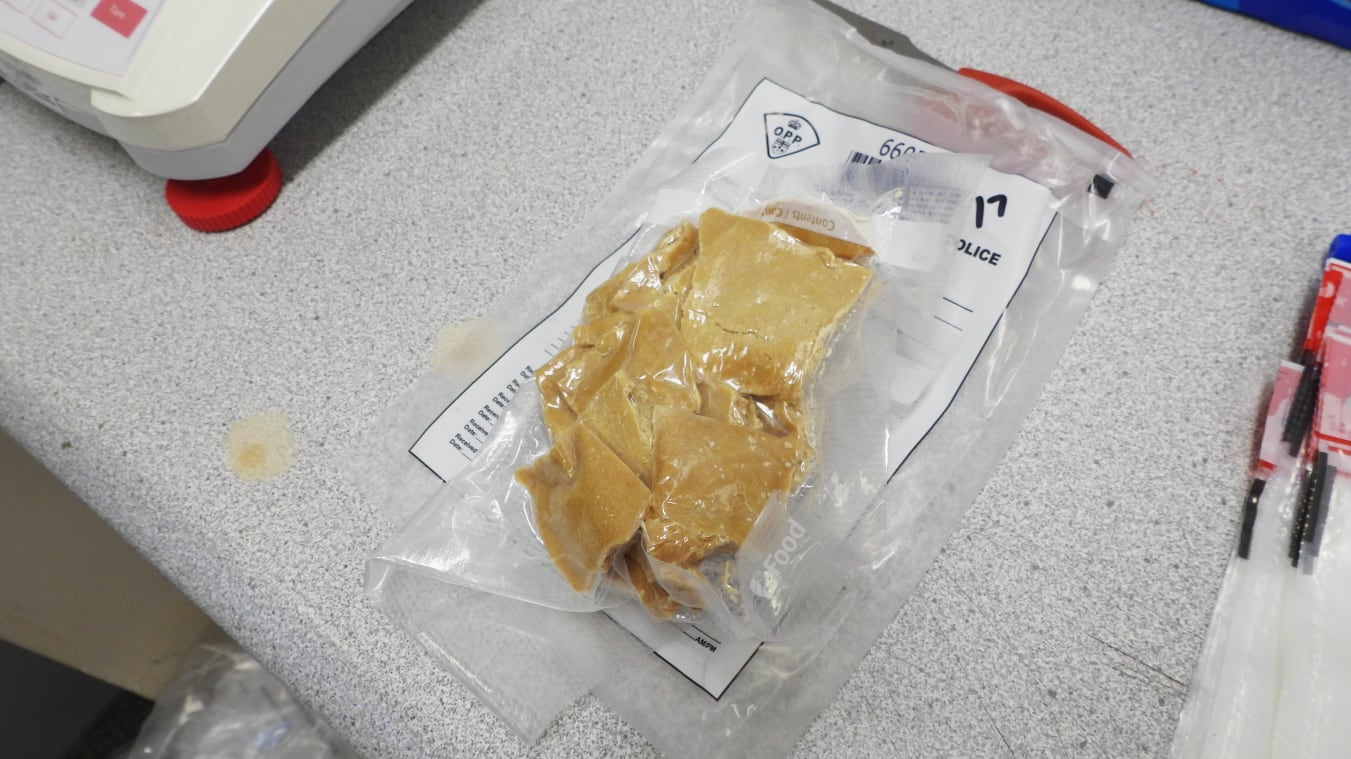
Even though their trial was scheduled for 39 months after their arrests — nine months past the constitutional deadline — a judge in Sudbury, Ont., has ruled a drug trafficking trial for two men can proceed.
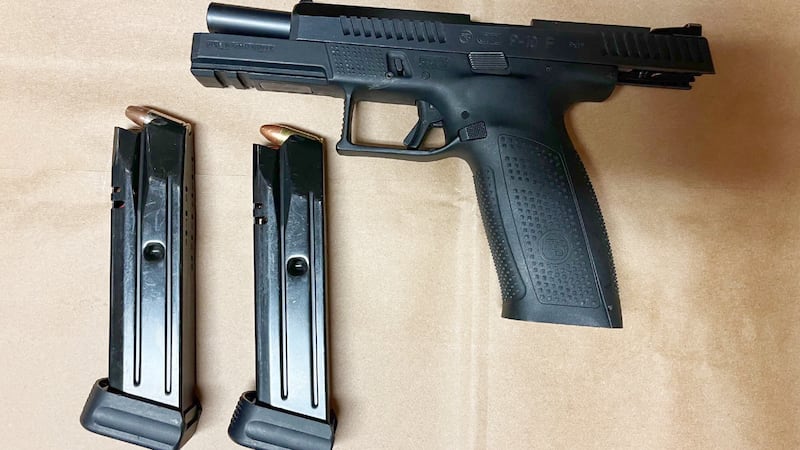
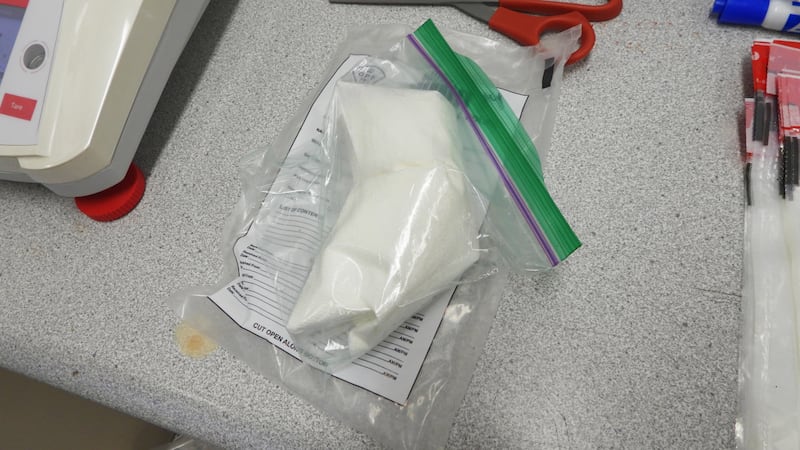
Shaquille Denoite Clarke and Ashawn Trench were both charged with cocaine and fentanyl trafficking, as well as weapons offences, after their arrest Aug. 30, 2023, in Sudbury.
The drugs had a combined street value of more than $300,000, police said at the time.
Clarke and Trench were to be tried at the same time, starting Nov. 23 and running until Dec. 4. Both men are from the Greater Toronto Area.
“The 30-month ceiling for completion of Mr. Trench’s trial expired on Feb. 28, 2026,” said the decision by the Ontario Superior Court of Justice.
Trench’s lawyer argued that under Section 11 (b) of the Canadian Charter of Rights and Freedoms, his rights as a citizen have been denied and the charges should be thrown out.
However, the Crown countered that there are rules for these types of proceedings, including giving the court at least 60 days’ notice, and the Crown must have at least 10 days to respond.
“In this instance, the Crown was served after 4:30 p.m. on Nov. 6 … rendering service effective on Monday the ninth of November,” the court decision said.
“The Crown had just three days (one day being Remembrance Day) to prepare its materials.”
In his decision, Justice Robbie D. Gordon said the defence offered no reasonable explanation for the lateness of the application.
“For the Crown to be afforded just three days to prepare a fulsome response to an application comprised of 87 tabs and several hundred pages of text is completely unreasonable,” Gordon said.
“The trial dates for this matter were set on Aug. 19 of 2025 — almost 15 months ago. It ought to have then been apparent to everyone that the 30-month ceiling would be significantly exceeded.”
Had the defence indicated earlier that it was concerned about the 30-month rule, Gordon said the Crown would have had time to “consider a re-prioritization of cases to try to get this on for trial more quickly.”
In addition, the Crown was ready to go in February, but Clarke’s Toronto-based lawyer was not available, and the next open date was November.
Even if the application had been submitted earlier, Gordon said he would have dismissed it. Since it was Clarke’s lawyer who was not available, pushing the trial to this month, that delay must be subtracted from the total, putting it at 29 months.
“There is a presumption that joint trials are in the interests of justice. That presumption has not been rebutted by the applicant.”
— Justice Robbie D. Gordon
While the trial could have been split, Gordon wrote that both suspects were arrested at the same time, with evidence gathered from the same vehicle and same residence.
“There is a presumption that joint trials are in the interests of justice,” the judge wrote.
“That presumption has not been rebutted by the applicant.”
Since the delay arose out of the joint trial and centred on the scheduling of one of the defence lawyers, it was beyond the control of the Crown.
“Had the applicant indicated his objection to the scheduled dates when they were set, or within a reasonable amount of time thereafter, the Crown could, perhaps, have re-prioritized its cases to free up time for the trial of this matter at an earlier date,” Gordon ruled.
“However, the applicant did not give notice of his intention to bring this application for almost 14 months — by which time the Crown could not reasonably be expected to reschedule its trial matters. As a result, the Crown cannot be faulted for not having taken more measures to alleviate the delay.”
Gordon said forcing the Crown to sever the trials would have disrupted other cases and effectively forced the court to try the exact same case twice.
“In my view, the Crown cannot have been expected to sever the trials in such circumstances,” the judge ruled.
Read the full decision here.

