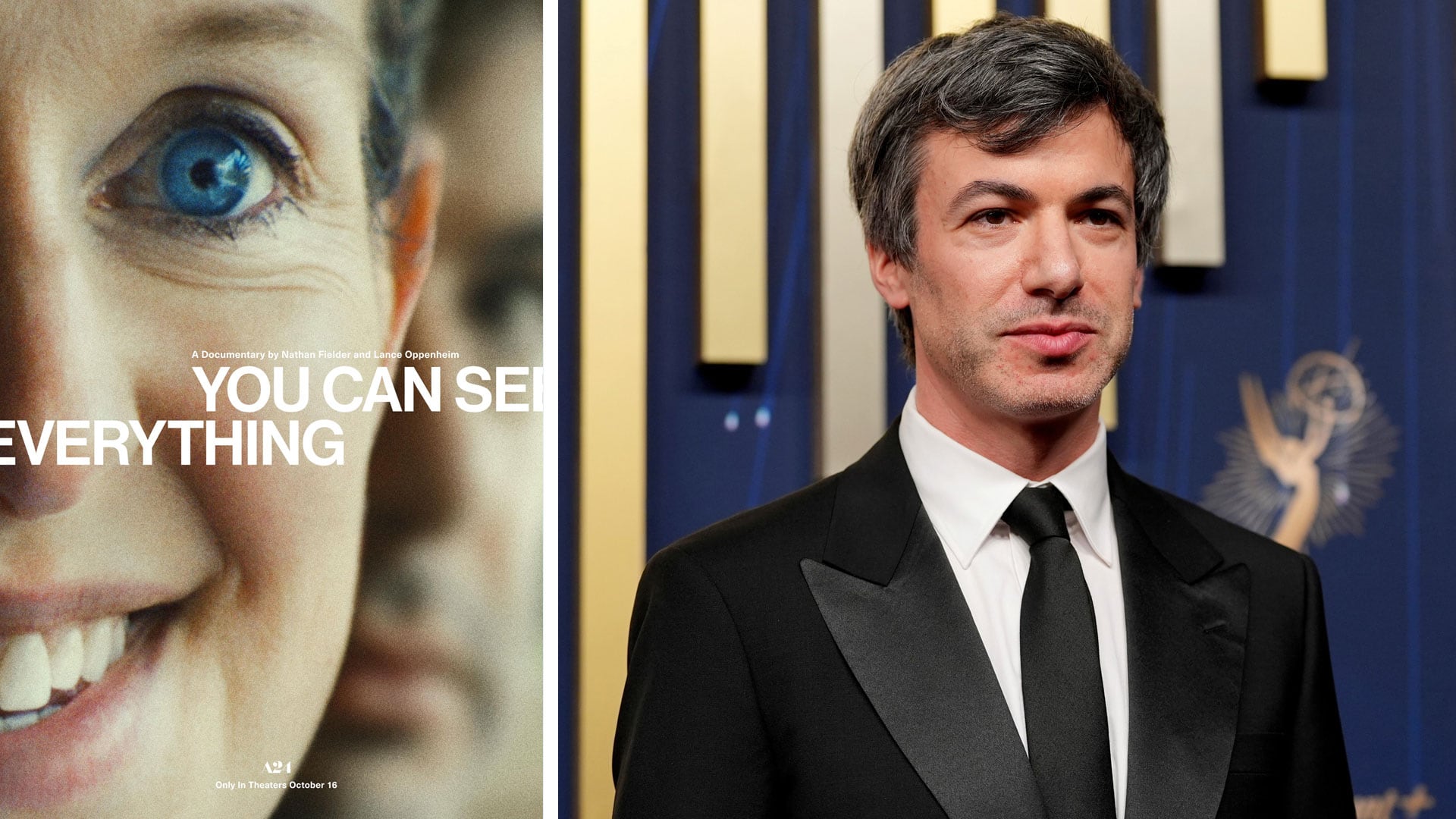
MONTREAL - A Canadian connection plays out through the box office and critical hit “You Can See Everything.” Its co-director is B.C. born and raised Nathan Fielder. Fans say his work on the new blockbuster follows in the rich tradition of Canadian documentary filmmaking.
“Nathan Fielder is a special guy,” said movie-goer Nick Trudel outside a Montreal cinema. “His career arc has really been an art piece in itself.”
Fielder was born and raised in Vancouver and got his start in sketch comedy. He worked on the CBC’s “This Hour has 22 Minutes,” before landing a Comedy Central series titled “Nathan For You.” He then moved over to HBO, with a show called “The Rehearsal.”
Globe and Mail film editor Barry Hertz describes the projects as experiments in non-fiction filmmaking.
“In these series, there is always this porous line between what is real, what is manufactured, what is organic, what is recreated, what is interesting, and Fielder has a fascinating, and nervy way to explore that,” says Hertz.
That technique leads to major plot twists in “You Can See Everything,” which follows disgraced Theranos founder Elizabeth Holmes, who was once a billionaire biotech entrepreneur and is now a convict.
Fielder teamed up with Lance Oppeheim on the three-hour long documentary distributed by A24, and some have speculated about its Oscar chances, saying it could have a shot at the Best Picture category.
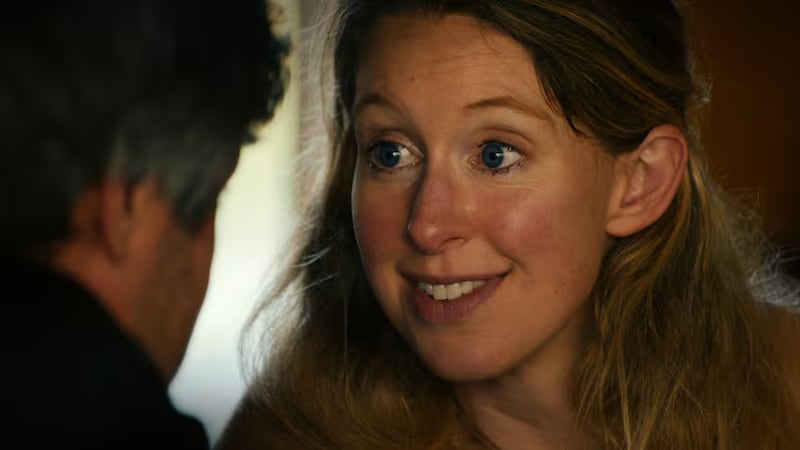
“This is quite exceptional. I have never seen a documentary as a thriller before,” said Claudia Pharand after seeing the film with her sister. “It’s incredible and he (Fielder) is very good. You can almost see what he is thinking, just with the way he looks at Holmes and her husband.”
Pharand says after the credits rolled, conversations started throughout the theatre, as movie-goers were trying to process what they had just seen.
A Canadian film tradition
Critics say Fielder’s work is innovative and unique but builds on a long history of documentary filmmaking in Canada.
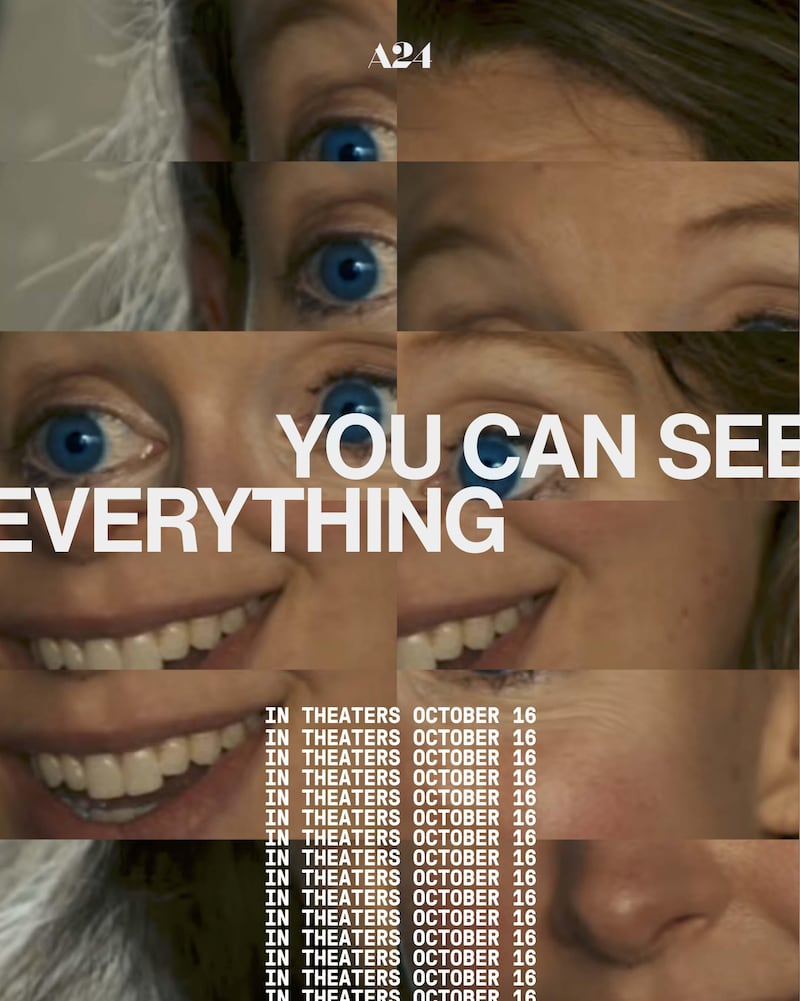
Scottish filmmaker John Grierson founded Canada’s National Film Board (NFB) in 1939. He is credited in a 1979 biography as having coined the term “documentary.” Since then, Hertz says Canadian filmmakers have pushed the genre forward for decades.
In 1969, director Allan King, also born in Vancouver, produced “A Married Couple,” in which a camera crew was embedded inside the home of a Toronto couple, Billy and Antoinette Edwards, during a time of marital crisis.
In “You Can See Everything,” Fielder and a film crew move in with Holmes, her husband Billy Evans and their two children for the 34 days leading to her prison sentence.
“I feel that you can draw a straight line from just how much Canada invested in the NFB, invested in documentary filmmakers and evangelized that kind of filmmaking throughout the world,” says Hertz.
Hertz says Fielder, one of Canada’s great cultural exports of the past few years, has been part of generations of filmmakers picking up the mantle.

