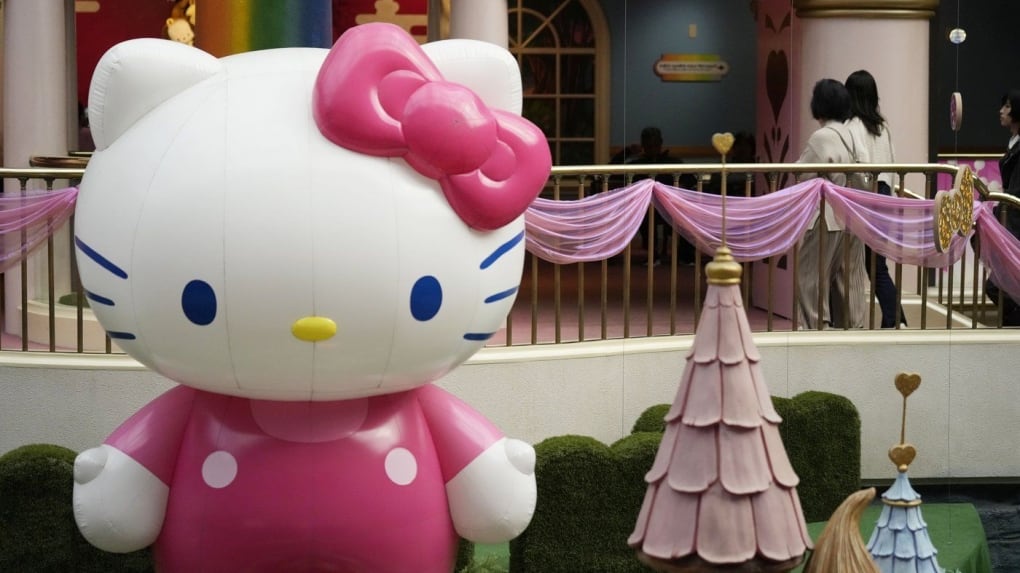
TOKYO, Japan -- Sanrio, the Japanese company behind the popular character Hello Kitty, apologized on Thursday over its tie-up with a TV spy drama criticized as anti-China, cancelling a merchandise collaboration with the show.
It comes just days after Chinese sponsors dropped football superstar Kylian Mbappe over comments calling communist leader Mao Zedong a “dictator”, which the Real Madrid forward later apologized for.
In one episode of Vivant, a drama with a wide audience in Japan, a Chinese-affiliated organization had been depicted torturing a member of the Japanese military’s unofficial spy unit.
“We have recently received feedback from various quarters regarding the collaborative merchandise with the Japanese television drama VIVANT,” Sanrio said in a statement.
“We sincerely apologize for any concern this may have caused.”
The project “contains expressions that are inconsistent with the Sanrio Group’s corporate philosophy,” it said.
Sanrio said it had “decided to cease this collaboration, as well as all subsequent projects and promotional campaigns.”
Hello Kitty and other cute Sanrio characters had been depicted as characters from Vivant -- currently in its second season -- in a range of novelty merchandise items.
Before the apology, Chinese state media outlet The Global Times had accused the show of “smearing China,” saying it had “sparked shock and fierce backlash on social media.”
The series reflects the “anti-China narrative of the current conservative Japanese right-wing administration, catering to the trend of right-wing extremism in Japanese society,” it said.
Long-frosty ties between the two countries have worsened since Prime Minister Sanae Takaichi suggested last year that Japan could intervene militarily in any conflict over Taiwan, which Beijing insists is its territory.
‘Beauty and goodness’
Contacted by AFP, private broadcaster TBS, which created Vivant, was not immediately able to comment.
The network’s president told Japanese media that the drama was fictional and that TBS “does not in any way take a position that foments conflict between nations or condones the use of force or violence”.
Comments posted on Chinese social media platform Weibo before Sanrio’s announcement had angrily criticized the merchandise tie-up.
“Sanrio, you are a brand for conveying a message of beauty and goodness, why have you got involved with this?” one post said.
“It’s disappointing,” read another. “The founder has long taken part in various anti-war activities, and Sanrio was originally founded on the ideals of stopping war and cherishing peace.”
Chinese foreign ministry spokesman Guo Jiakun echoed the complaints at a regular news briefing on Thursday, following Sanrio’s statement.
“This television drama once again reveals the persistent existence inside Japan of a force that seeks to use cultural products to vilify and smear China and spread anti-Chinese sentiment,” he said.
“This should raise alarm amongst the international community and enlightened individuals within Japan.”
The furor follows similar ire from the country over Mbappe’s comments.
Real Madrid apologized to Beijing on Wednesday after their French star striker apparently joked about Mao Zedong, sparking a social media storm that saw Spanish football yanked off Chinese state TV.
Mocking former leader Mao -- blamed by historians for millions of deaths -- is taboo in China.
In a clip of a video interview with French show “The Bridge” -- since taken down -- Mbappe talked about being amused by an internet meme of his face photoshopped onto “some guy, think he’s a Chinese dictator.”
Mbappe issued his own apology on Tuesday, saying: “My comment was ill-judged and I now understand that it hurt many people in China and in Chinese communities around the world.”
By Kyoko Hasegawa with Luna Lin in Beijing

