Global oil prices will continue to rise as the war in the Middle East continues and the Strait of Hormuz remains inaccessible, according to an energy expert.
Bob McNally, president of Rapidan Energy Group and a former White House energy advisor to George W. Bush told CTV News Channel on Saturday that the situation has turned into a “five-alarm fire across the entire economy,” following the global decline of stock markets.
Friday saw the stock markets shaken by the rapid climb of oil prices, a consequence McNally said U.S. President Donald Trump “went in knowing.”
“I’m not sure if he and his team realized how bad it would get,” he said. “I think anytime you see oil prices rise this fast they start to reverberate into the agricultural sectors, perhaps financial sectors, equity markets.”
McNally said the economic effects of this war that began when the United States attacked Iran in February could pose a political threat to Trump.
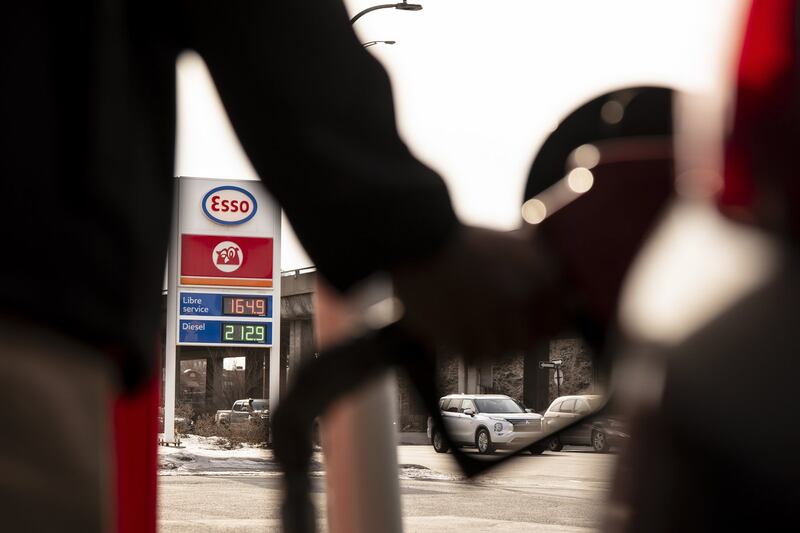
Oil prices around the world have been on the rise since Iran intensified its attacks on oil and gas infrastructure around the Gulf States – a response to Israel’s attack on an Iranian gas field. This could lead to a higher spike in oil and gas prices, and cause inflation since the war could shutter production for some time.
“I’m afraid as long as the Hormuz Strait remains closed, effectively to commercial traffic, and especially if the escalation to attacking critical energy infrastructure continues, this is a drop in the bucket,” McNally warned.
Trump is “resorting” to every technique he can think of – like strategic stock releases, environmental releases and more, but its effects will remain “marginal,” McNally added.
“The only thing that can be done is a military mission to open up the Strait of Hormuz,” he said. “Nothing else will suffice.”
This is a military problem entirely, McNally said, adding that there are no energy policy solutions to the issue at hand.
“For the size of the problem that we have with this stopping of flows of LNG and oil from Hormuz, it’s very perilous for the (U.S.) President,” he said.
McNally said the spike in prices won’t be permanent, because it will be followed by a crash, coming down more slowly.
“When (the Strait of) Hormuz opens up, assuming (there is) no damage to infrastructure, prices will fall partly, though, for a bad reason,” he said. “Prices will fall because we’re likely to see damage to the economy. And when GDP growth slows, when airlines are forced to pass along high costs or stop flights, these things slow economic growth. That destroys demand for oil, that makes oil prices go down.”
However, McNally added that this not a decline that should be celebrated, since it’s for the “wrong reasons.”
With files from The Canadian Press