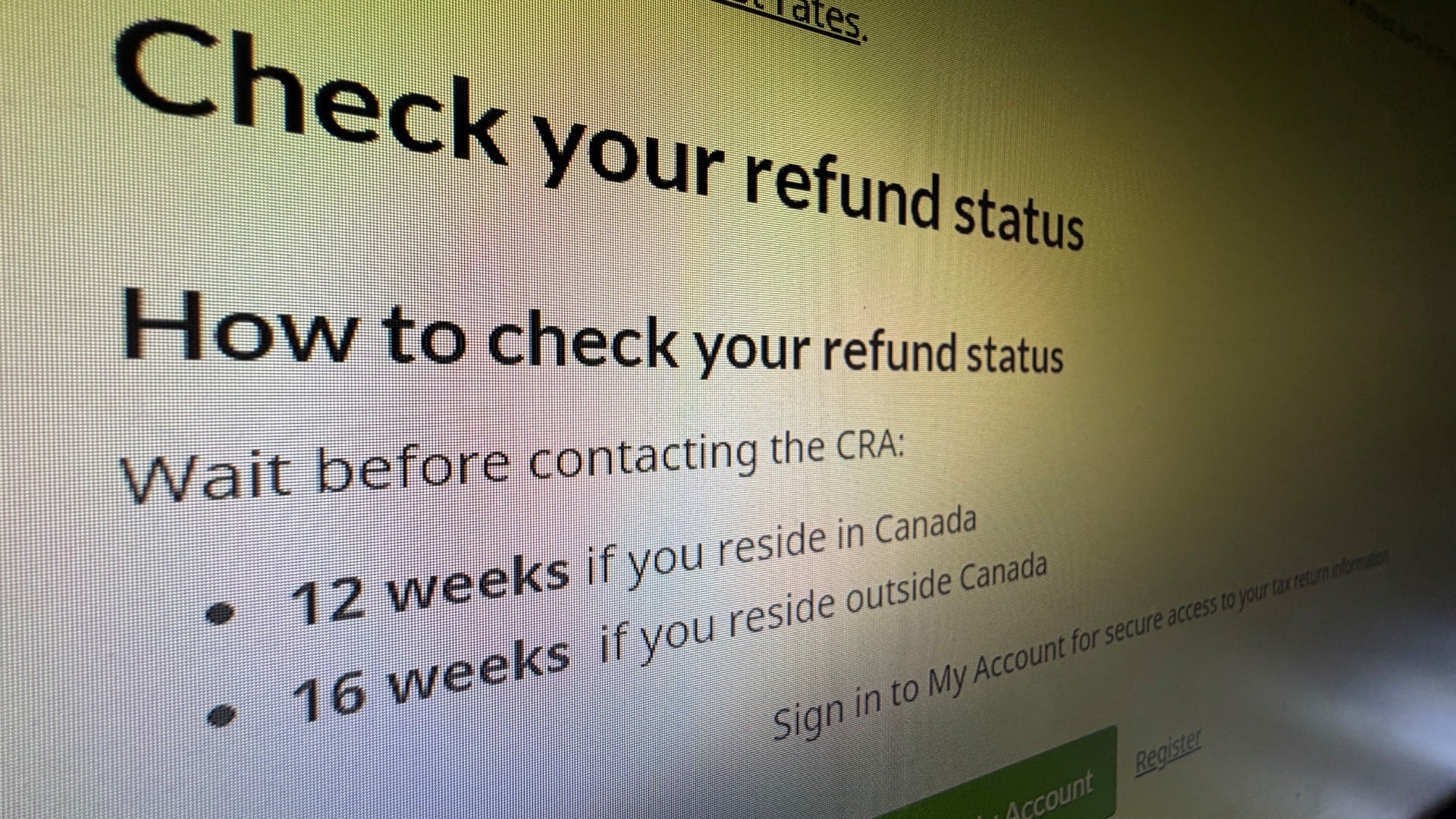
TORONTO – With the deadline to file your taxes coming this Thursday, some Canadians will be scrambling to meet it. If last year is any indication, about 19 million of us will either have received, or will soon receive, a tax refund.
According to the Canada Revenue Agency, the average amount is around $2,000.
When CTV News asked people in downtown Toronto what they planned to do with the money, opinions varied widely. But Gillian Garcia didn’t hesitate.
“Probably take my family on a vacation,” she said. “I think we deserve it after the winter we had. We work hard for our money.”
Another passerby said she planned to invest her refund in the stock market, while Eric Nobel said he’d “probably stick it in a GIC (guaranteed investment certificate) and earn some interest.”
So, what should you do with your tax refund?
The answer depends a lot on your individual situation, says Jessica Moorhouse, a financial educator and author of “Everything but Money: The Hidden Barriers Between You and Financial Freedom.”
“I can only tell you what I think would be a good idea for your money, but at the end of the day, it’s your choice,” she said.

A recent survey by EQ Bank found only nine per cent of those expecting a refund planned to spend it on discretionary items, like travel or dining out.
In general, Moorhouse’s first recommendation is to establish an emergency fund if you don’t have one — essentially setting aside three to six months’ worth of living expenses for a rainy day.
“Emergencies can take all types of forms,” she said. “It can be job loss. I know a lot of people are really concerned about job security, now more than ever. But it could also be your pet gets sick, and bam, that’s a $700 vet bill.”
She says the financial challenges people face today make that emergency fund more important than ever.
“People really need some sort of sense of security and stability — right now, I think there’s a big lack of that. A lot of anxiety,” Moorhouse said.
Once an emergency fund is in place, she recommends paying down high-interest debt.
“A lot of people have a car loan or a mortgage. Those are relatively low interest,” she said, adding that lines of credit and credit card debt — which can carry interest rates of around 20 per cent or more — are the better targets.
“It’s very common to have credit card debt, and it can be a big burden — every single month you’re paying off a couple hundred dollars in interest.”
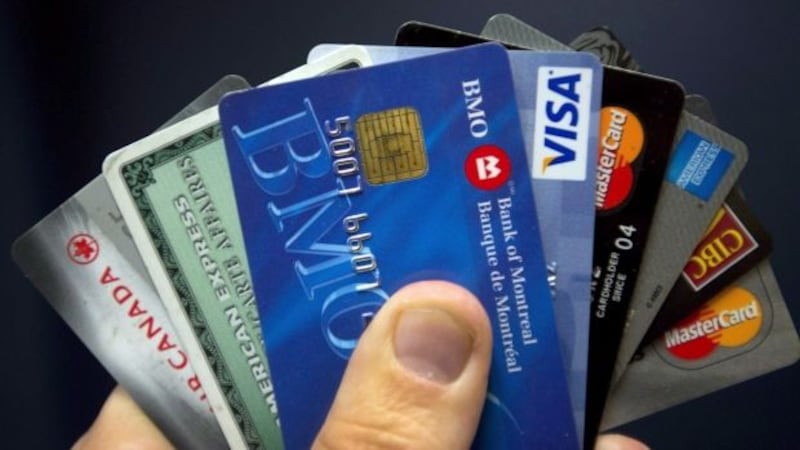
A recent survey by Vividata suggests 36 per cent of Canadian credit card holders typically carry a balance.
Moorhouse also suggests putting refund money toward a First Home Savings Account (FHSA), a Registered Retirement Savings Plan (RRSP) or a Tax-Free Savings Account (TFSA).
“TFSAs are great for long-term wealth generation because whatever grows inside is tax-free,” she said.
But what if you don’t want to put every dollar toward savings or debt? Moorhouse says allowing yourself some fun money is fine — focusing exclusively on necessities can lead to frugality fatigue, where budgeting stops feeling responsible and starts feeling exhausting.
Experts often suggest directing most of a tax refund toward debt or savings while setting aside a smaller portion for guilt-free spending — an 80/20 or 90/10 split, depending on your situation.
“Everyone is different, but these are great guidelines to start with,” Moorhouse said.
If you’re consistently receiving large refunds, she says that’s worth looking into — it likely means you’re overpaying the government throughout the year and effectively giving Ottawa an interest-free loan.
“That might be something you want to address with your payroll department, if you work for a company, to reduce the amount you’re remitting to the government throughout the year,” she said.
Correction
Correction: The article has been corrected to reflect that Canada's federal tax deadline is April 30, which is a Thursday.

