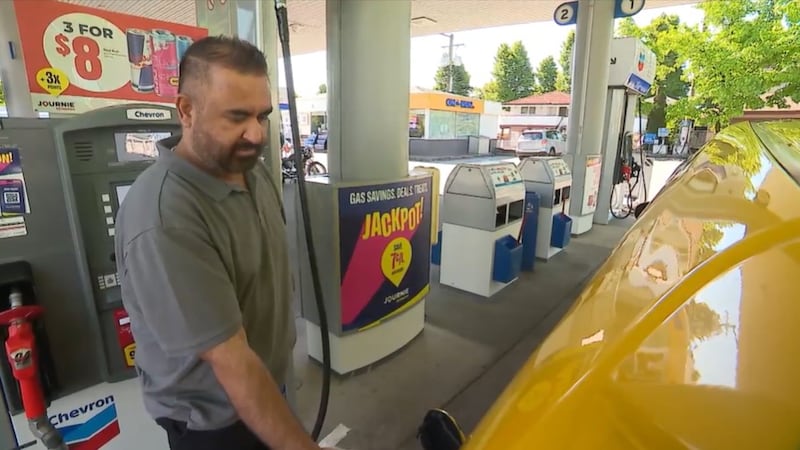
VANCOUVER – Taxi driver Varun Sharma is spending $500 per week filling up his car and says many of his colleagues are struggling.
“I’m still lucky I’m driving a hybrid,” he told CTV News Thursday. “But it really hurts.”
After months of eye-popping prices fuelled by the war in the Middle East between the U.S., Israel and Iran, drivers across much of Canada are actually seeing some relief.
“Finally, a little bit of good news when it comes to filling your tank,” said GasBuddy analyst Patrick De Haan. “Prices have backed off in most areas over the last week, and some areas are now starting to see prices that are a little lower than a month ago.”
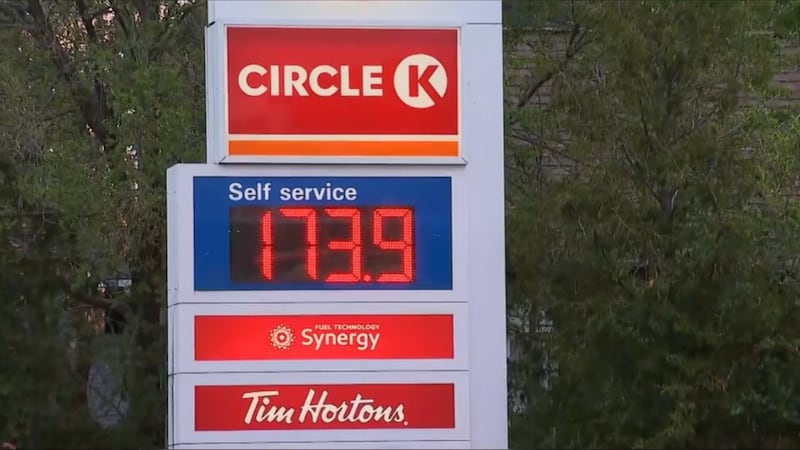
Toronto drivers woke up Thursday to prices around 174 cents per litre, a figure that a year ago would have been considered an absolute gauge. But right now, it’s the best “deal” since April.
Experts say declining oil prices are partly responsible, over optimism that the United States and Iran could be moving closer to a deal that would open up the Strait of Hormuz. But that’s not the only factor helping many Canadian drivers save a bit of money this week.
“A month ago, we did see quite a few refining issues down in the U.S. Great Lakes region, which does filter into Ontario,” De Haan said. “Now that those refining issues are behind us, Ontario is unsurprisingly seeing more relief than what we’re seeing nationally.”
De Haan says the average price being paid by Canadians has now dropped below $1.80 per litre. But as central and eastern Canada are seeing prices soften, drivers in British Columbia are still facing some of the highest prices in the country.
De Haan points to refinery disruptions in California, combined with metro Vancouver’s significant fuel taxes as reasons prices remain stuck above two dollars per litre on the West Coast.
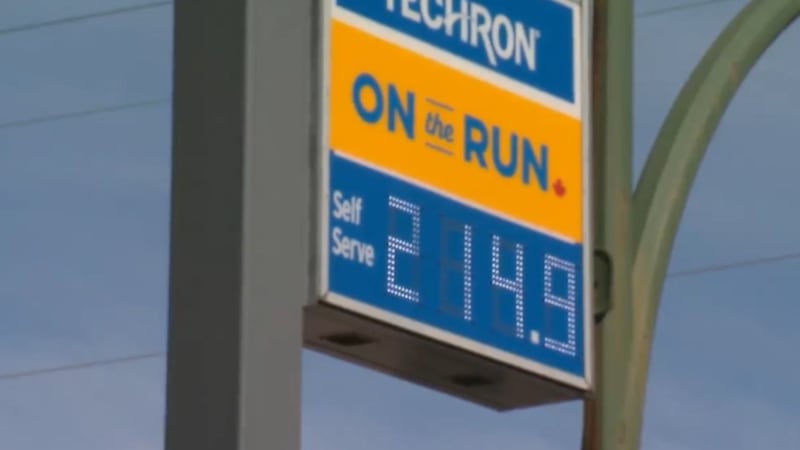
At the East Vancouver station where cab driver Sharma was filling up Thursday, he was paying 214.9 cents per litre.
For the rest of the country, analysts caution the recent drop may not last long.
“It is 100 per cent contingent on what comes of these negotiations between the U.S. and Iran,” De Haan said. “There probably has not been such a major impact to supply in my career, exceeding 25 years.”
The best advice may be to fill up now if prices have dropped where you are, as there are no guarantees coming from analysts that drivers won’t be paying more the next time the tank is near empty.

