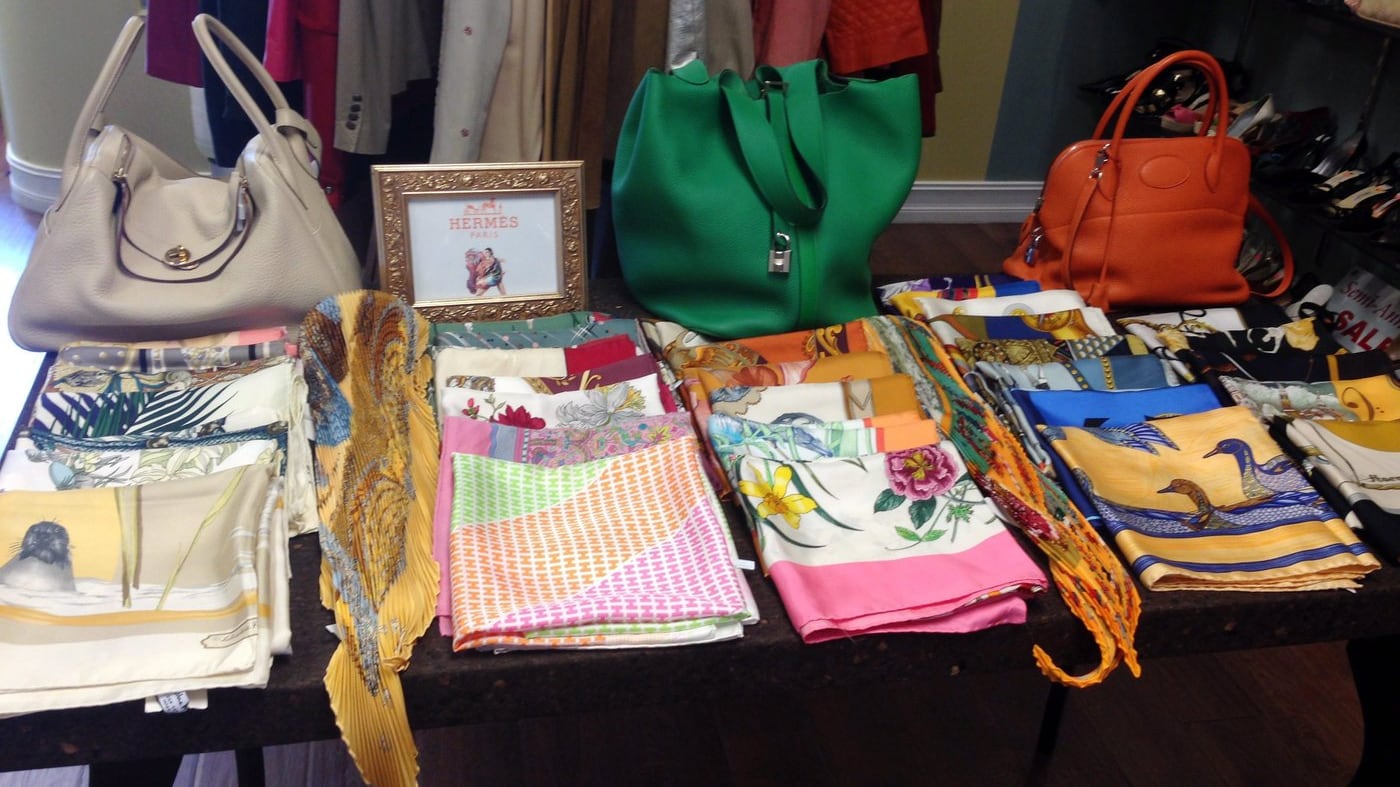
There’s cash hiding in your closet and old, forgotten drawers.
It might not look like cash — it could be retro technology, a vintage handbag, a broken bracelet, an old guitar. But if it’s in good condition, someone will likely buy it. And if it’s currently trending, that price could be high.
“Retro gaming is really hot right now,” said Martin Strasser, president of the Canadian Pawn Association, and founding partner in Premier Pawn and Jewellery, located in Kelowna, B.C.
“If you’ve got some of those consoles from the ’90s and 2000s, they’re very collectable now. There’s a nostalgia for the people that grew up with something in their teens and ... there’s a childlike wonder of getting that old retro console again and playing it.”
Sometimes younger people come into his pawn shop with an inheritance, Strasser said — a silver cutlery set, for instance, would be a jackpot. Silver prices had a record-breaking run earlier this year.
“If you have a silver cutlery set, those are thousands of dollars now just in raw metal value,” Strasser said. “If you think about what a cutlery set weighs, there’s tremendous value there.”
Luxury fashion is similar: Timing is a major factor in value, said Lily Sablay, who has 20 years experience in luxury resale and is the founder of Style Reissue in Vancouver.
And timing is not necessarily about seasonality — selling summer items in the warm months, for example — because buyers can be global, Sablay pointed out. Value is about the story of the brand, the designer who was at the helm, the celebrities that have publicly worn the item, and the current style trends. For instance, people prefer wearing oversized fashion now, she said, while some vintage sizing is very small.
Young people are savvy with researching online, Sablay said, and an expert luxury reseller can also help find the best timing for buyers.
“One thing I caution everyone: If you are not wearing it, move it,” Sablay said. “Because there will come a time when nobody wants it. You will only have that short window.”
Designer shoes have a smaller market because sizing is so specific, she added, but other designer clothing and accessories — from silk scarves to blazers — have broad appeal. According to market research firm Dataintelo, the luxury resale market is projected to double over the next decade to roughly $102.6 billion by 2034.
Sablay predicts this will one day be the predominant way we buy clothes.
“Designer resale is going to take over mainstream retail,” she said. “We haven’t scratched the surface yet, but luxury, pre-loved will take over mainstream retail because of the choice there is, the uniqueness of the goods, the story behind it.”
You can sell items yourself — eBay, Poshmark and Facebook Marketplace are some of the largest platforms — or you can work with a reseller.
If you sell it yourself, Strasser said, you might get more money, but you have to deal with the public, and you may be liable if you sell an item that is determined to be fraudulent. There is also a safety risk for very high-value items.
If you work with a consignment vendor, they will take a commission, and you will be paid when the item sells. They might get a higher price, so it’s a matter of whether the price offsets the commission, Strasser said.
A pawn store gives money upfront, but buys below-market resale so they can make a profit. A reputable store — check online reviews, he added — should have the expertise to properly evaluate the item.
Online research is very helpful, but not perfect.
“We had a client come to our store with a Tudor Submariner watch, and we identified that the dial on the watch was rare,” Strasser said. “The hands were what are called ‘snowflake hands,’ and it was worth several thousands more than the more traditional version of that watch. So had that person just Googled ‘Tudor Submariner,’ they would have shorted themselves by thousands of dollars.”
You can always take your item to be priced by a vendor, and then try to sell it privately. If you can’t get the price, he added, you can always come back.
“We’ve had a number of people that (get an offer and) come back four weeks later and say, ‘I couldn’t do better than your offer,’” Strasser said. “So there’s no harm in getting the quote up front.”
Generally, if your item is popular and current with retailers — such as a PlayStation 5 — you might get the most cash selling it yourself, he said. But if the item is unique, rare, older, requires expertise to evaluate, or a heavily counterfeit brand, you might consider dealing with a vendor.
For the best value working with a reseller, find one with experience selling your item. Not every pawn store buys sneakers or sporting goods, for example.
After a bit of research, you should ask yourself: “I’ve identified this thing, I believe this has hidden value now, what stores in my city would be able to unlock this?” Strasser said.
This report by The Canadian Press was first published July 13, 2026.
Nina Dragicevic, The Canadian Press

