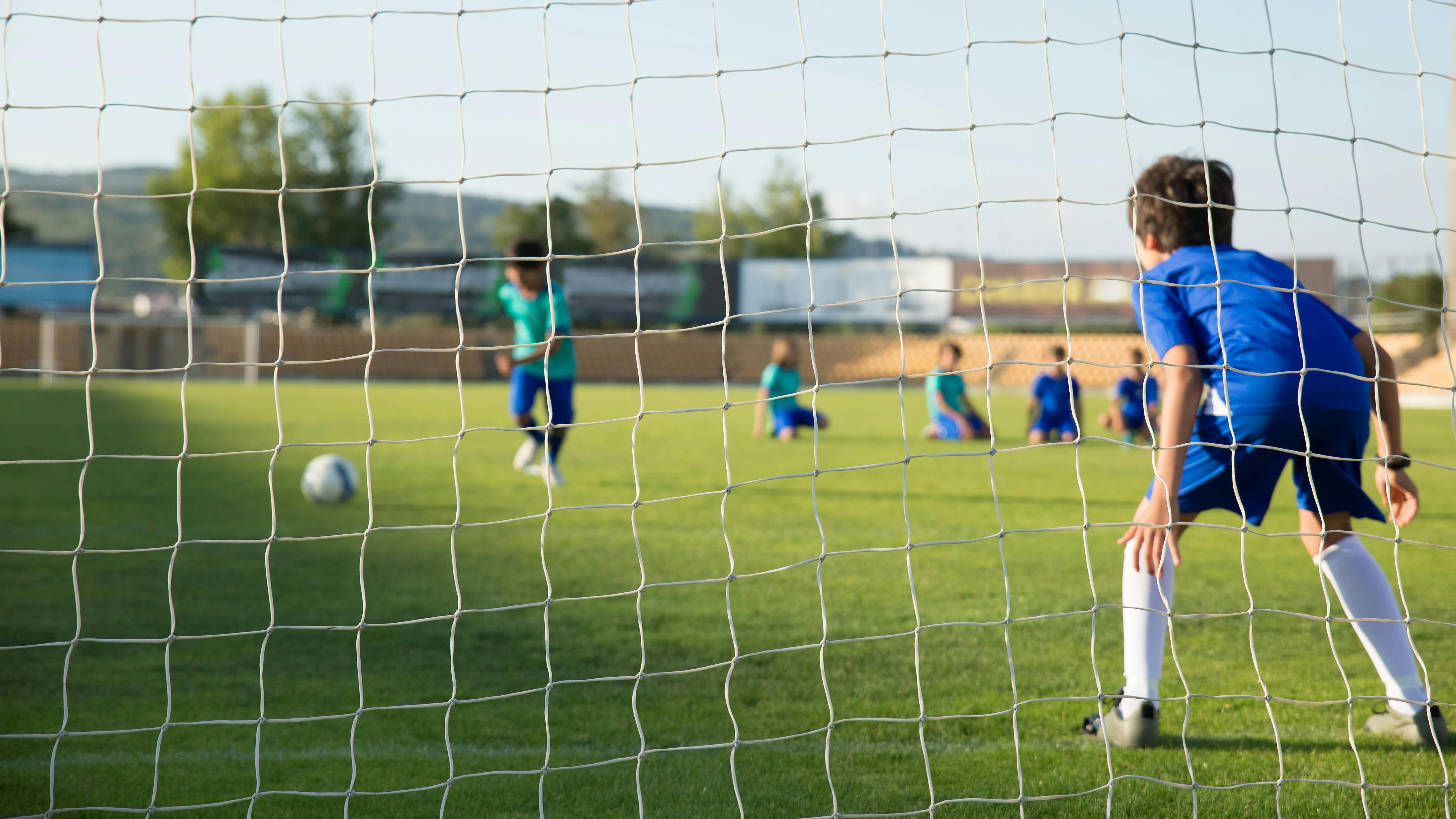
Half of young Canadians now play soccer, making it the most widely played youth sport in the country, according to a new national report by Canadian Tire Jumpstart Charities.
Some 46 per cent of Canadian youth (aged 18 and under) participate in swimming, while 41 per cent play basketball.
Hockey, long considered a rite of passage in Canadian childhood, no longer sits near the top. Twenty-two per cent of Canadian youth play hockey, making it the eighth-most popular participation sport among youth in the country.
The reasons seem to be starkly economic.
The median annual cost to put a child in soccer is $450, while swimming costs $290 and basketball comes in at $515, according to the report. Hockey, by contrast, carries a median annual cost of $1,938 and an average price tag of $3,253, more than seven times the cost of soccer.
“The pattern is clear,” the report concludes. “The sports with the broadest participation tend to be those with the lowest barriers to entry.”
The findings, drawn from surveys of nearly 6,000 parents and almost 4,000 young people, offer a portrait of a youth sport system increasingly shaped by affordability. Soccer’s rise, the report notes, “isn’t about elite competitions — it’s about what’s happening at the community level.”
Strong local programming, moderate costs and broad accessibility have made it Canada’s most played sport, the report said.
Hockey’s position, by contrast, has become more exclusive.
Once woven into the fabric of neighbourhood life, it is now structured in ways that demand financial flexibility, time and mobility. Ice time can be scarce and expensive. Travel teams and private academies have become the norm in many regions.
Affordability stress
Across all sports, families spend an average of $3,064 a year on organized athletics, with a median cost of about $1,200. Registration fees account for only 20 to 35 per cent of that total. The rest goes to equipment, apparel, travel, tournaments and private coaching.
For many families, the burden is heavy, the report finds.
Nearly one-third report stress about affordability, and one in four say they feel overwhelmed by the logistics of participation. For families whose children are not in sport at all, 30 per cent say they feel guilt about their kids missing out, and two in five say their child has lost important opportunities because of cost or access barriers.
Physical, mental health benefits
Yet overall participation remains strong.
Sixty-four per cent of Canadian children still participate in organized sport. Among families with children in sport, 96 per cent report positive impacts on physical health, and 93 per cent cite benefits to mental and emotional well-being.
Youth who are more active report higher levels of happiness, life satisfaction and sense of purpose.

