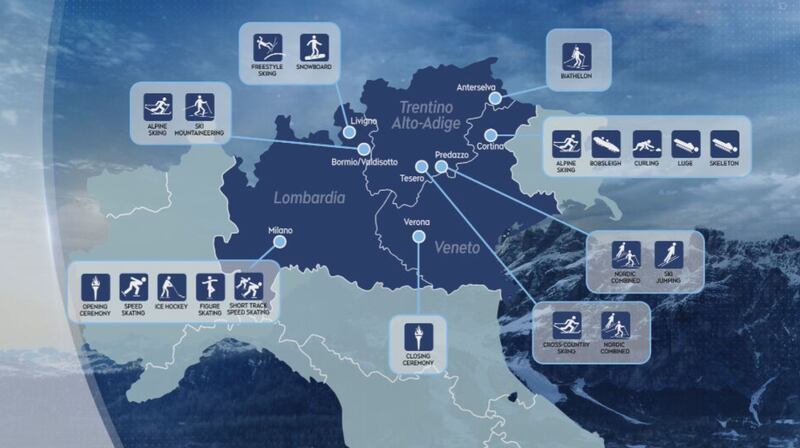
This year’s Olympics are split between two Italian cities – Milan and Cortina d’Ampezzo – making it the most geographically spread-out Games in the tournament’s storied history.
The games span over 22,000 square kilometres. A trip between Milan and Cortina could take upwards of six hours, depending on the type of transportation and the weather. It’s cause for some option anxiety among fans, who will need to travel greater distances to see their favourite events across the Games.
“I was hoping to see a little more fan zones and I didn’t quite see that. ... Maybe they’re spread out more through Cortina Livigno. … So, we’ll see,” said Victoria Tovar, who has travelled to several winter Olympics with her siblings.
That distance means not all of Team Canada’s athletes are staying in the same village, or even the same region. Instead athletes from different disciplines are lodging where their respective areas sports are taking place. Alpine skiing, bobsleigh and curling will be held in the mountains of Cortina, while ice hockey is played in Milan, for example.
A ‘secret weapon’
Since the games are so spread out, athletes are stationed in “clusters” based on their sport.
Canada’s Chef de Mission described the clustering as a “secrete weapon” when you can create the right culture and have a team feeling well connected.
“You know, giving a high five to an athlete in another sport or even the gentle smile when you’re under such pressure can make a huge difference,” said Jennifer Heill, team Canada’s Chef de Mission.
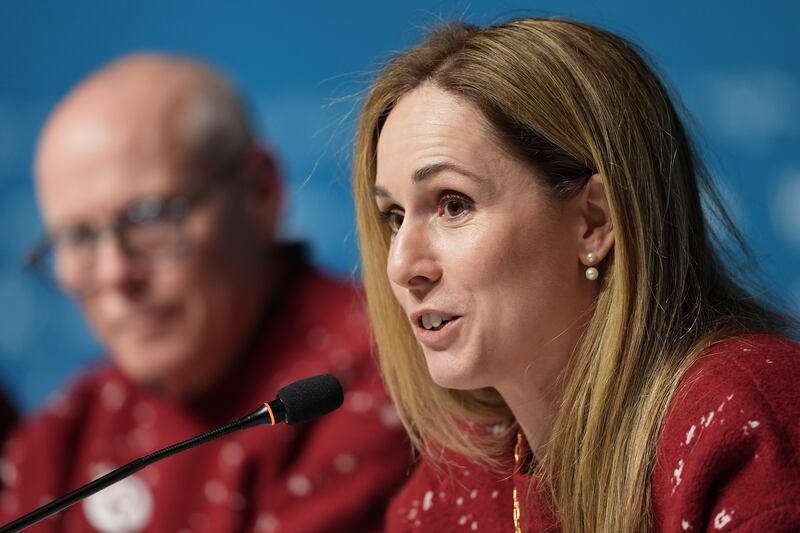
The decorated Olympian reminisced about that experience following the Canadian Olympic Committee’s opening press conference.
“And I have amazing memories of the women’s hockey team supporting me as an athlete, where they said they delayed going on ice just to watch my performance,” said Heil.
Cnada spent the last year bringing athletes together to form bonds before the Games. Here, they are turning to technology to help bring the team together, using video chats and highlight reels to unite and motivate.
“I think there’s a trade off between the positive and the negative. I think for the Olympic movement, it’s very positive that we’re going to venues that already exists, that make it more sustainable and easier to host because we want the games back in Canada,” said Heil.

