MILAN, Italy — Officials at the 2026 Milano-Cortina Winter Olympics are defending their ice conditions on the short-track speed skating rink after some athletes raised concerns over how “soft” it is.
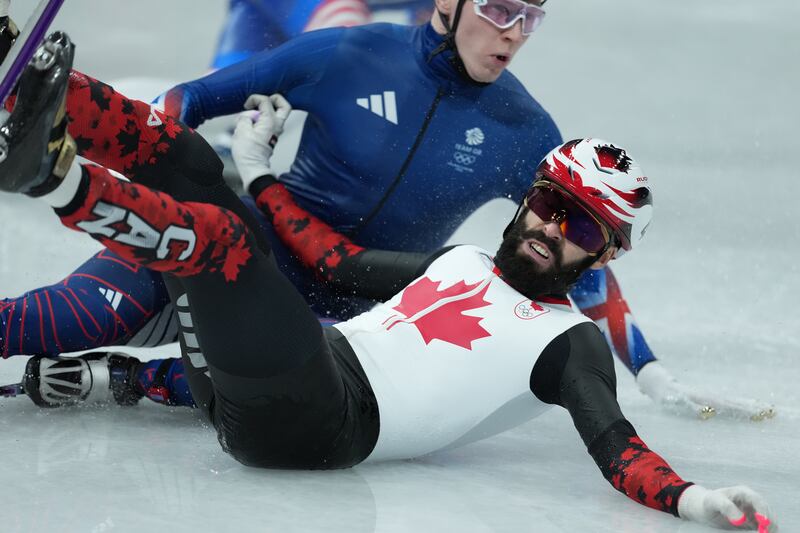
Steven Dubois, the 2025 world champion in the 1000m event, called it “really bad” after crashing out in the qualifying round. He went on to help the Canadians earn silver in the mixed team relay, but there was disappointment in his post-race interview, as he spoke on the ice conditions athletes face at Milano Ice Skating Arena.
“There were so many falls … it’s probably the worst ice of the year we’ve had,” Dubois said.
“At the Games it’s always hard. They have to manage with the ice, the figure skating and the short-track,” he added. “It’s really not the same ice that we like. We have different opinions about it.”
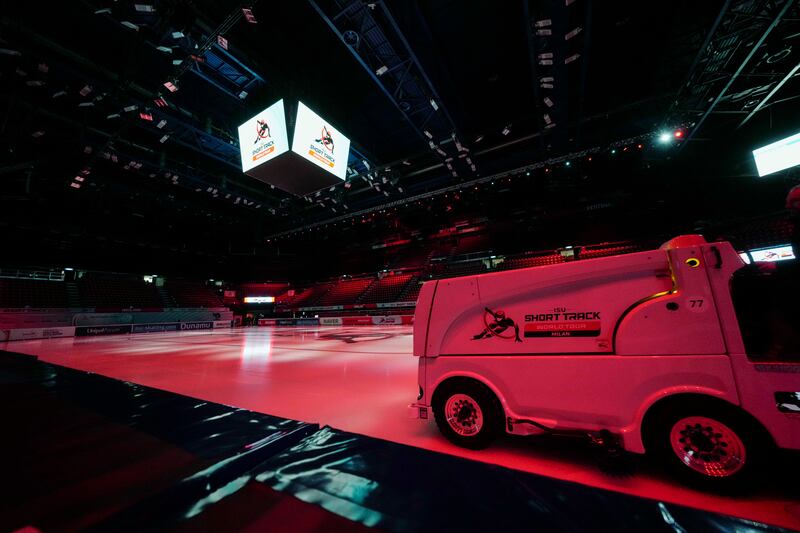
Ice temperatures vary, depending on the discipline, and just a few degrees can make a big difference. Figure skating ice is typically warmer and slower, aiding in their technique; hockey ice is cold and hard, while ice for speed skating is typically the coldest, generating the most speed.
During the Olympics, figure skating and short-track have traditionally shared a venue, requiring quick condition changes.
When asked Wednesday about the complaints raised, officials said reports of these types of issues are rare.
“From our point of view, you can see by going directly into the competition venue, that the ice masters measure the ice temperature, and the ice condition is constantly monitored throughout matches,” said Luca Casassa, Games operation communications director, claiming they have received compliments on the quality of field of play.
Laurent Daignault, a former Olympic athlete who now serves as an equipment technician with Canada, says they’ve been trying to get in touch with the ice master, with little success. Now attending his eighth Olympics, he feels the conditions are inconsistent, and the key issue is that the ice is deteriorating throughout the races.
“At the beginning of the race, the first round the ice is pretty nice, pretty good, everybody is happy with it,” Daignault said. “But after the third round, the ice is starting to deteriorate.”
Short-track speed skaters and figure skaters have shared the ice at the Olympics since 1992, and lately, everything has worked well.
But when asked if Canada would be changing any equipment to help adjust to ice conditions, Daignault said it wouldn’t really work with this changing environment, so it’s up to the athletes to adapt – something Canada managed to do in winning the silver medal in the mixed team relay.
“Every athlete has to kind of work with it, so it seems fair for everyone,” Dubois said. “But sometimes, it feels a bit unfair when you give your best and it doesn’t hold under you.”

