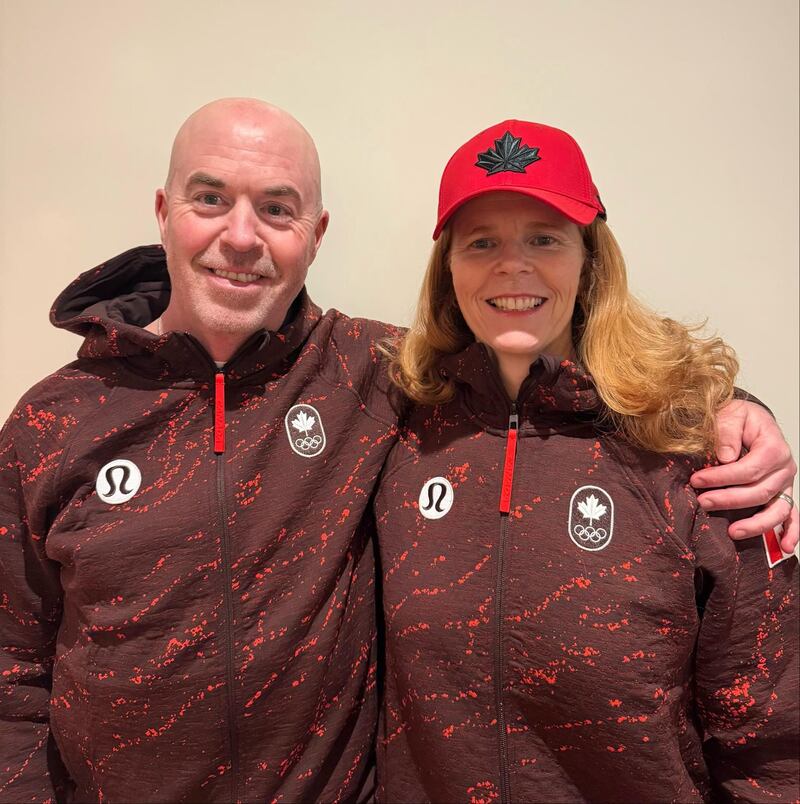
A month-long trip to Italy may be a bucket list item for many Canadian couples, but for the sports doctor-duo caring for Canada’s national hockey teams, it’s a privilege on the world stage.
“It’s an honour. It’s great that they put their trust in us to do the job,” said Dr. Ian Auld, the lead physician with Canada’s Men’s Hockey team.
His wife, Dr. Laura Bennion, is the acting lead physician for the women’s hockey team. They’ve both spend decades working with professional athletes, many of whom are at these Games, but it’s their first time joining Team Canada at the Olympics.
“The women’s team has a special culture, and I really appreciate that,” said Dr. Laura Bennion, adding that it’s what has made the experience rewarding and valuable.
“There’s a lot of pride with representing Canada for sure. And with the growth of the women’s game, it’s even more so,” said Dr. Bennion.
“Although we’re not on the ice and we know we’re a support for the athletes and we do the best we can for them,” said Dr. Auld.
Norovirus ‘right off the bat’
There are 207 athletes representing Canada at these winter games, backed by a team of more than 230 coaches and support staff. Each one faces unique challenges during a massive sports event where the entire world is watching. So far, they’ve dealt with everything from sports injuries to illness, even assisting athletes’ families for basic needs. That, too, is part of supporting athletes compete to the best of their ability.
“Well, right off the bat, we got hit with Noro, our team didn’t get hit with the Norovirus, but our first opponent, Finland, couldn’t play. So right away, we’re rescheduling a game at the Olympics, which is unheard of,” said Dr. Bennion, speaking of the incident that happened at the very beginning of the tournament.
They were forced to pivot “to figure out what our own risk is as a team. Are we safe in the village? What precautions do we need to take?” said Dr. Bennion, who also acts as the liaison with the medical team at the International Olympic Committee level.
While the two are married and have children, they’ve led independent careers that have brought them together through sport.
“We’ve been leaning on each other for questions and issues and bouncing things off each other. We both bring different skill sets into this job,” said Dr. Auld, who has worked in pro sports for 25 years.
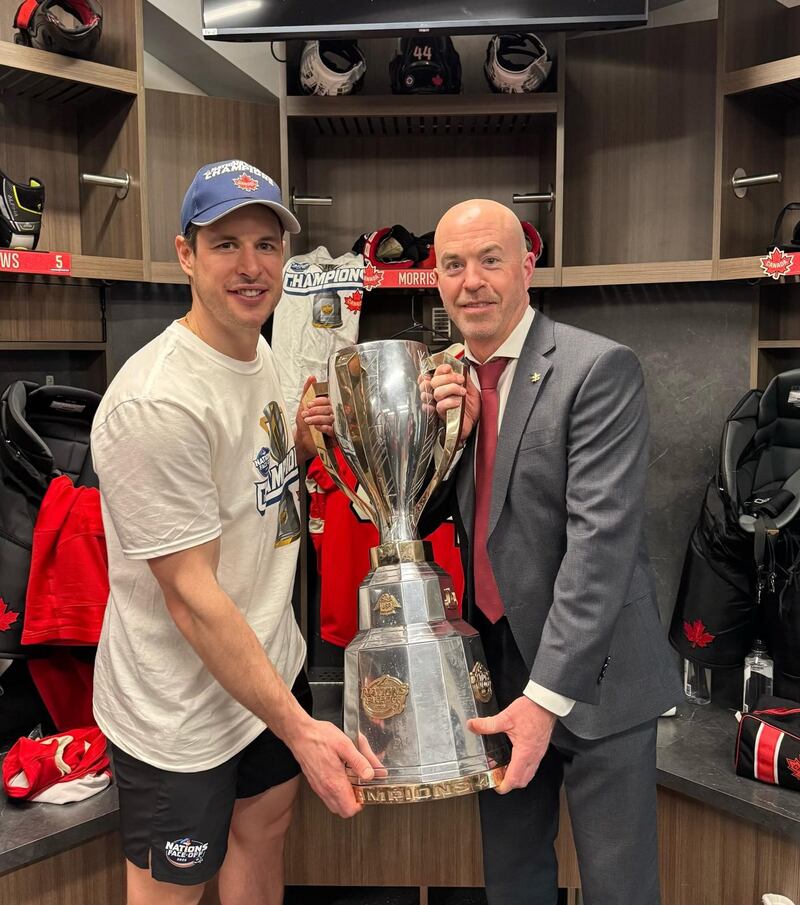
Auld is also the medical director for the Calgary Flames. His road to the Olympics has been a long one after working with Hockey Canada during events for the last 22 years. His first event was with a then 16-year-old Sidney Crosby at a Summer U18 event.
Dr. Bennion is family physician who has worked in women’s programs for many years, including world championships and rivalry series. This is her first time travelling with her Team Canada squad, but it’s hers. She’s been with the team for three seasons.
‘You can see it in our players’
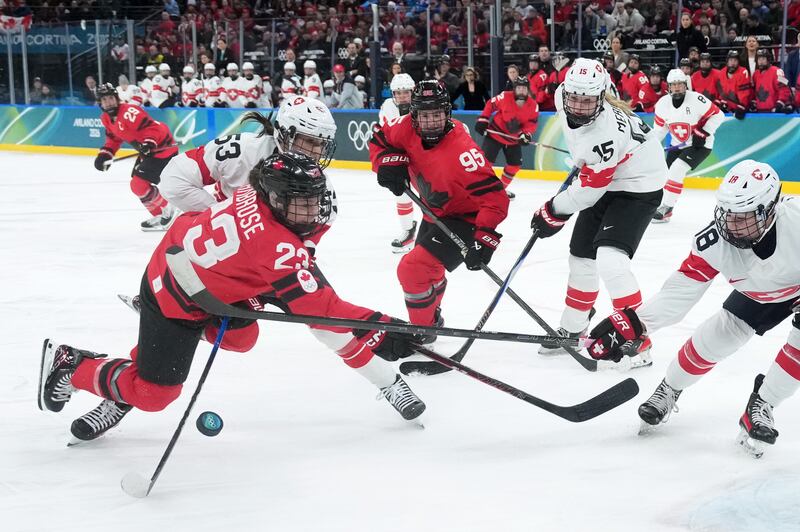
While they’ve covered many tournaments, the Olympics sets a different tone with so many sports integrated into one event. “It’s being part of a bigger group. Not just the hockey part. It’s been very unique,” said Dr. Auld. “I feel it now that we’re getting into the medal rounds, the intensity on decision making and getting players ready is really starting to ramp up.”
Both doctors admit they’ve been working with some of these athletes since they were teenagers, and it’s hard not to see them as their own kids.
“You can see it in our players. This is a big one for them. This is what they’ve been dreaming of for a long time, and there’s a lot of intensity. It’s good great to be part of it, but I can feel it too,” said Dr. Auld.

