The World Cup is expected to put significant pressure on host cities like Toronto and Vancouver, with extensive planning underway in both cities to deal with the influx of visitors and increased demand put on first responders.
“There’s lots of preparatory work,” said Dr. Andrew Beckett, the trauma medical director at St. Michael’s Hospital in downtown Toronto. St. Mike’s is among a number of hospitals in Toronto involved in “worst case scenario” planning, which includes “code orange” exercises to prepare for an external disaster or mass casualty event.
“If there was an event at the FIFA World Cup, in terms of casualties, we plan on how to distribute the casualty load, how we are going to triage patients,” he said, adding the training allows them to see “what gaps we have … to make sure there’s load sharing across the system.”
He says similar protocols are put in place for all large-scale events in Toronto.
“We did have mass casualty plans for the Taylor Swift concert, which went off without a hitch,” he said. “We always have plans for any large gathering in Toronto…not only for a mass casualty event but also just the increased number of visitors to our city.”
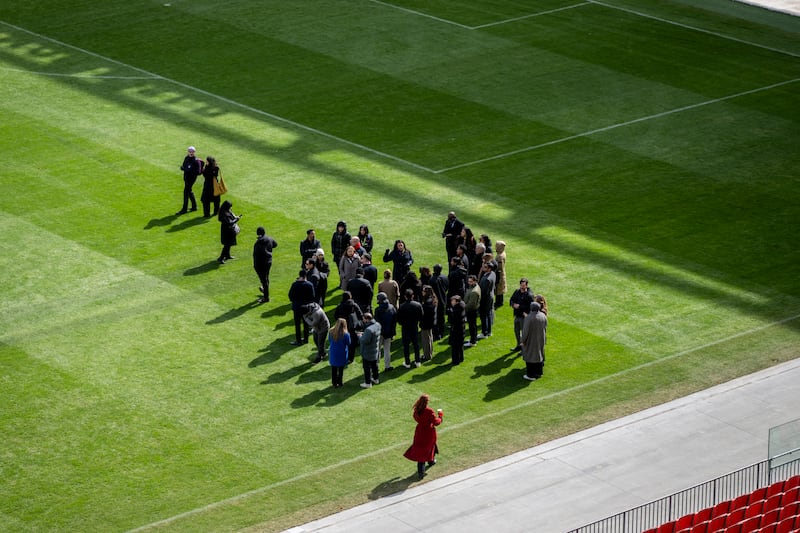
Toronto is expecting an estimated 230,000 daily visitors during the World Cup, which will put pressure on resources which are stretched thing to begin with. Toronto city councillors met this week to discuss the compounding pressure the World Cup will put on paramedics after a late request from FIFA for dozens of paramedics to be on hand at matches to respond to both player and fan injuries.
“Because of the match days requiring our paramedics on the field, this would require extra staff on a daily basis or on those high-demand days,” Toronto Paramedic Services chief Bikram Chawla told councillors.
FIFA has requested between 40 and 50 paramedics on the six match days and on four other event days. City council is considering whether to ask neighbouring regions for assistance to cover the increased need of paramedics, an arrangement that would be similar to policing during the World Cup. Officers from nearby York. Durham and Peel regions will be assisting in security during the tournament, along with the Ontario Provincial Police (OPP).
Canada is co-hosting the international competition with the United States and Mexico with 13 matches scheduled to take place in Toronto and Vancouver this June and July.
On Wednesday, the federal government announced up to $145 million for security for the tournament, funding that will go toward ensuring law enforcement agencies have the resources they need.
“To the millions of fans who plan on visiting from around the globe, Canada is ready to host you,” said Public Safety Minister Gary Anandasangaree. While it’s not clear exactly where the money will be spent, Ottawa says the aim is to reduce financial pressure on the host cities and provinces and comes in response to “specific operational needs” that have been identified.

