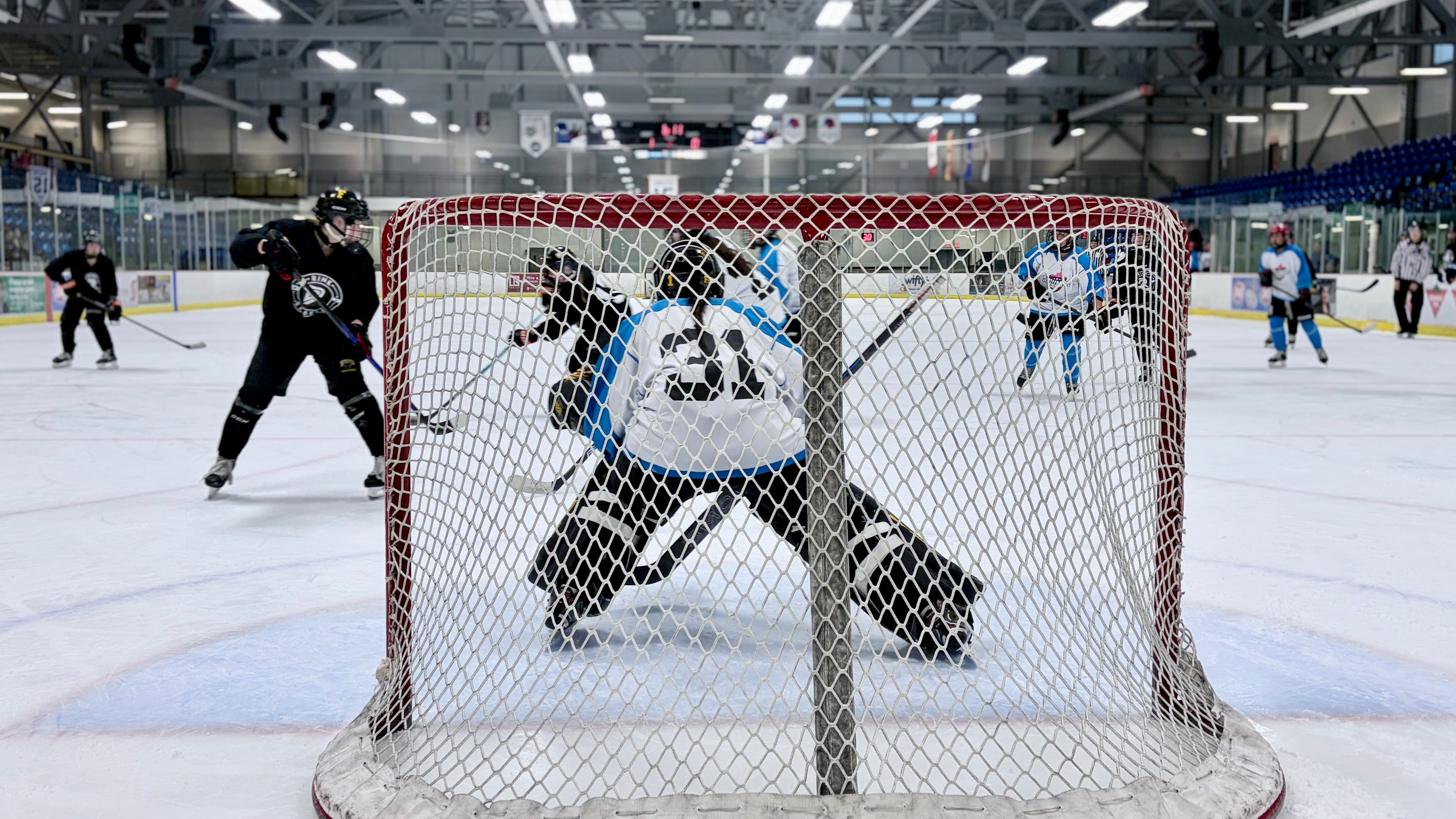
FREDERICTON, NB - A number of female hockey players, their coaches and parents, are hoping to change a New Brunswick school sport rule that gives them shorter periods of play than their male peers.
The School Sport N.B. rule specifies that playing time for all boys games will be three 20-minute periods. The girls are three 15-minute periods.
It does allow for a league to increase that to 18 minutes, but the regulations don’t currently allow for 20-minute periods.
It’s believed that the regulation dates back decades ago when female high school hockey was first realized and there were fewer players.
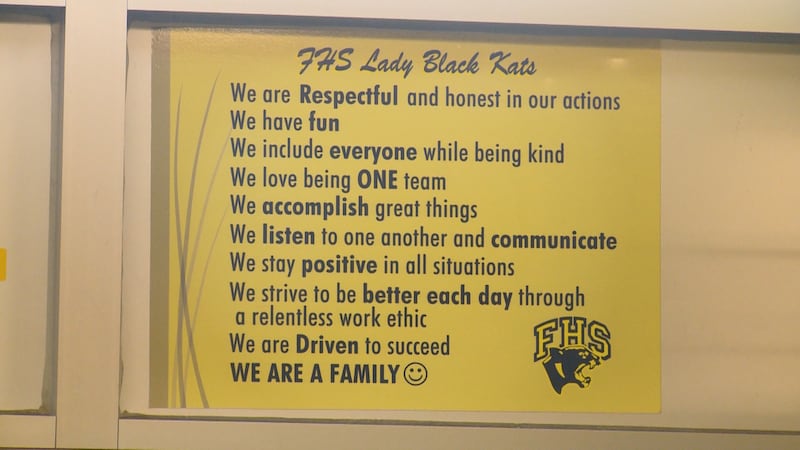
But that time is long gone, says the coach of Fredericton High School Black Kats girls hockey team.
“If you look at the female program with hockey, it’s growing significantly. You just have to look around,” said Doug Marion. “The PWHL. You see many, many girls teams now at younger ages, and they’re coming with further and bigger expectations because they want to go and develop their craft as much as they can.”
The provincial female hockey league follows Hockey Canada guidelines.
For U-18 games, those consist of a five-minute warm-up, and 20-minute periods. For U-15, it’s a seven-minute warm-up and 15 minute periods.
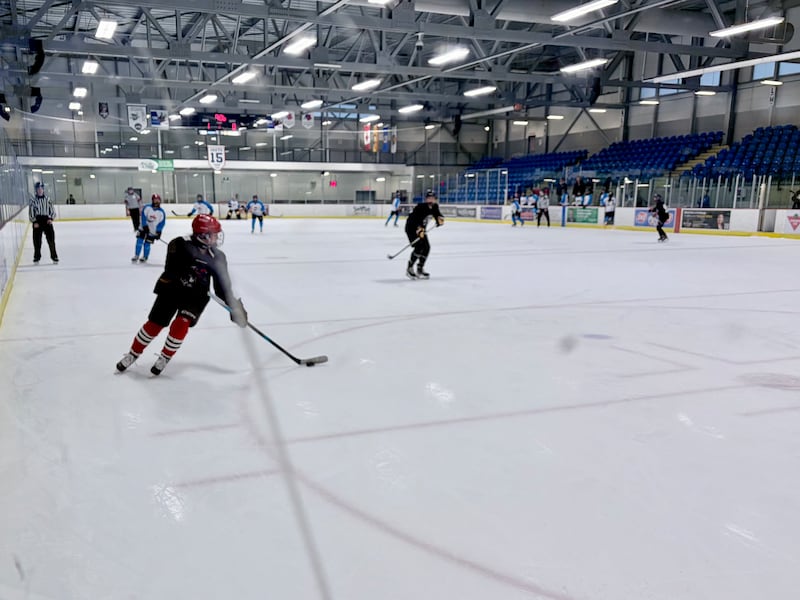
Marion has been coaching hockey for 25 years and has coached the girls team for 14. At the beginning, he had to piece together a team with few players. Now, there are tryouts and not all players make the team.
At the root of the problem, he says, is less development time. Fifteen, or even 18-minute periods, mean fewer shifts. While practices are great, it’s in games where players put their skills to the test, says Marion.
“If you take the games per season and you look at the two minutes, it doesn’t seem like much, but it adds up to 4.4 games throughout the whole year,” he said.
Tournament periods can be as low as 12 minutes.
Marion doesn’t believe it’s a matter of gender inequality, only that the regulations are behind the growth of female hockey.
Doug Grandy agrees. The co-founder of the Rink Rebels female hockey program in Fredericton says the growth is so strong, they have waitlists for a number of programs and teams.
The high school hockey season wraps up in March, and many of the girls look to Grandy’s league so they can play year-round.
“They want to go to the PWHL or they want to play university or whatever their high hopes are. And if we take that away from them, even if they can get there or not, we don’t want to crush their dreams by saying, ‘Ah, you’re not good enough to have these minutes or these times,’” he said in an interview just before his under-18 female team took the ice for a game.
One of those players is Ava Burns. A strong player who also spends time as a junior coach and promotes female hockey on social media, Burns says simply, it’s about time. “We’ve all worked so hard to come this far. At the beginning, girls hockey, it wasn’t as big as it is now. And the game has evolved so much for us girls that I think it’s our time for this.”
The other difference within the School Sport N.B. handbook is the number of officials. For males, the rulebook states four referees are necessary. For female hockey, it’s three.
“It’s just not enough. You know? It leads to, sometimes, the games getting away on them. And, you know, the refs are great. This is not me coming down on the refs, but things do get missed,” said Grandy. “Having a fourth on there, it just makes a huge difference.”
How to make the change
According to School Sport N.B. President Rodney Buggie, the concern about these regulations only came to his attention within the last few weeks.
He says a conference could make a change before the beginning of a season if all schools within that conference agrees to it. There are four conferences in N.B.: East, West, North and South.
Marion said three years ago, the schools in his conference – the west – agreed to increase their periods from 15 to 18 minutes. But because there’s no provision in the rulebook to allow for 20 minutes, they’ve reached an impasse.
Buggie said in order to make the change province-wide, the amendment would have to be presented during the organization’s annual general meeting in June. Each school sends a representative, usually a principal or the athletic director, to attend the AGM.
But the process makes it difficult to see the regulation changed for the next school year.
If an amendment is submitted prior to April 15th, it only needs the support of 60 per cent of the members present.
But if the notice-of-motion or amendment is submitted after, it needs 75 per cent. And the rulebook stipulates that those motions, if passed, “shall not take effect until one calendar year has elapsed following the motion,” according to the constitution, provided by Buggie.
The principal of Blackville School believes the cost of ice time has stopped schools in the past from making the change.
“A half an hour is a lot of money,” he said. “It’s different in different areas, I’m assuming. Our arena I think gives us the best deal they could possibly give us, but they still have to cover their own costs.”
But Marion says the parents of his players are pushing for more practice and playing time and they’re willing to pay for it.
He also believes he has the support of his school to push for longer periods.
Bottom-line, Marion says the change would mean a lot to the players.
“I think it gives the girls that are playing the ability to continue to grow to wherever they want to take their game. And it makes them powerful, because when they get out into the big bad world, they have all the skills they need. And using hockey as a vehicle for that is tremendously powerful for coaches, parents and athletes.”

