In a bright downtown Vancouver studio just a few blocks from the beach, a renowned Canadian artist is putting the final touches on a painting that is much bigger than her brush strokes.
“I think when people are given safety and opportunity, they can achieve the impossible,” said Carling Jackson in an interview during one of her 12-hour days working in front of the canvas.
The 12x7-foot painting was commissioned by the UN Refugee Agency. It brings together a symbolic team made up entirely of professional soccer players with refugee backgrounds. Athletes whose childhoods were shaped by war, displacement or violence before they rose to the top of the sport.
The captain of the team is also Canada’s captain - Alphonso Davies, who was born in a refugee camp in Ghana before his family eventually settled in Edmonton. “It’s a place where they gave my family safety,” Davies said in an interview provided by the agency. “They welcomed us in with open arms.”
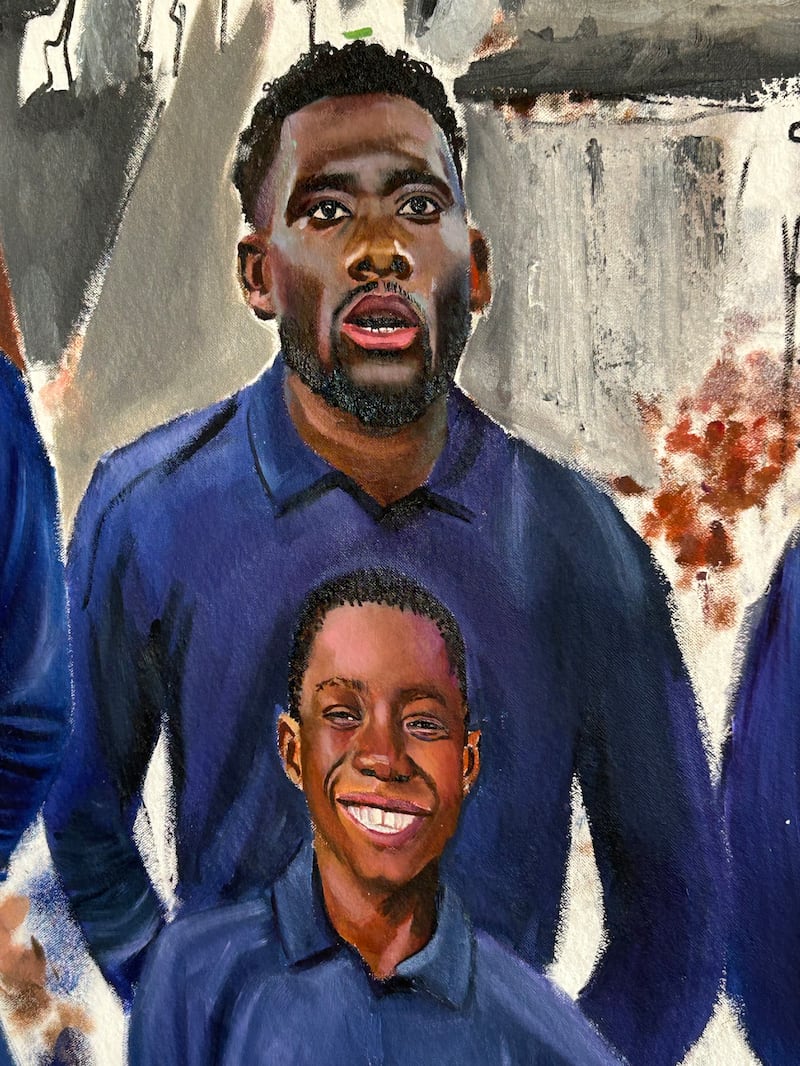
Each player is portrayed standing beside their younger self, which has required some guesswork on Jackson’s part, because many of the athletes lost nearly everything while outrunning conflict. “Nine of these players did not have any photos of them when they were little,” Jackson said while working in her studio. “This is the first time they’re going to see themselves.”
Blending art, sport and human rights
For Jackson, the project is a perfect fit.
The self-taught artist only picked up a brush after a soccer injury derailed her own playing career. What followed was a rapid rise in the sports art world, powered by her lifelong passion for human rights advocacy and fighting injustice. “I was a weird child, my dream was to work with the UN,” she told CTV News.
She says her technique boils down to using renaissance techniques on athletes, inspired by her many visits to the Louvre in Paris where she first admired the Mona Lisa “It feels like her eyes are following you, and that’s commonplace when people see 16th or 17th century art. It feels alive,” she said.
Two years after she began painting, Jackson said she was able to support herself fulltime. That was a decade ago. “My goal was to get to a point where I could do 50-50 human rights and sports,” she said. “And use the money I make from sports to pay for human rights projects.”
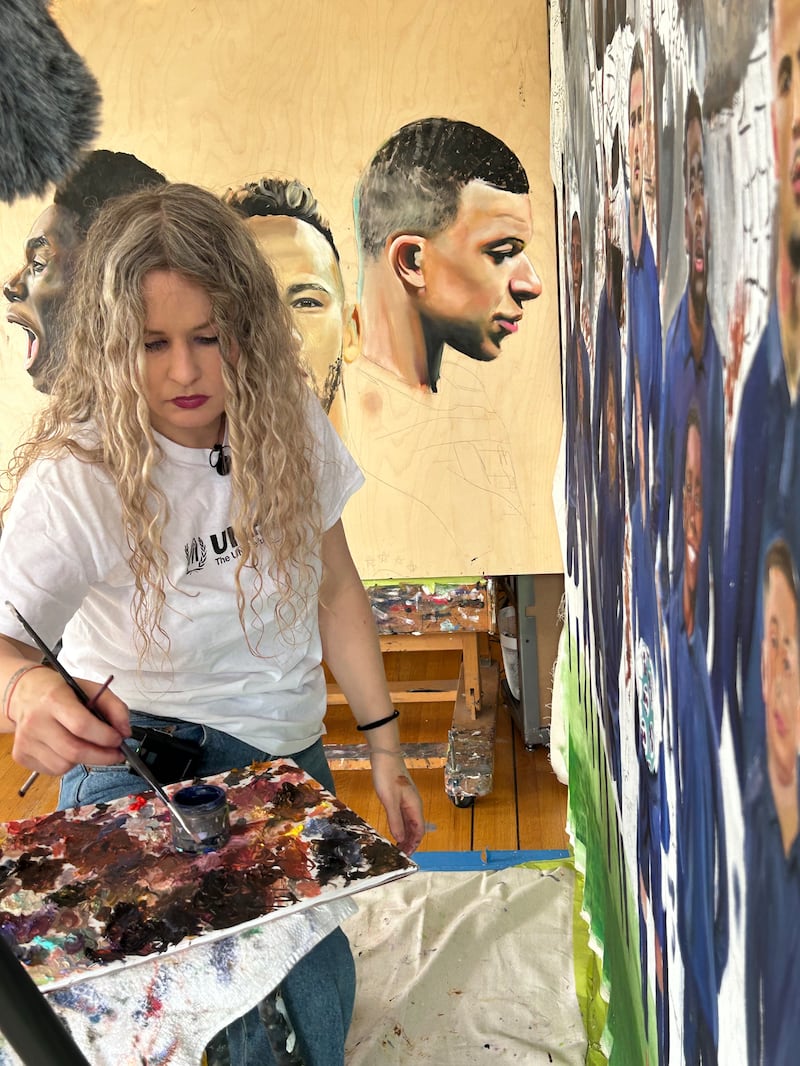
Jackson believes she is now the most commissioned sports artist in the world. She has painted athletes from 28 countries in 16 sports.
She also sees her own success as part of a larger conversation about representation in both sports and the art world. “There’s not been a single woman who’s made it this far, so you know, I love that,” she said. “Women are paid four per cent of what men make in the art world, similar to sports.”
A World Cup project rooted in belonging
The project coincides with Canadian preparations to co-host the FIFA World Cup next month. 13 matches will be split between Vancouver and Toronto.
Ahead of the competition, UNHCR has launched “More Than a Game,” a national campaign focused on how soccer helps refugees build community and belonging after arriving in Canada.
Since the 1980s, the agency says more than 1.5 million refugees have settled in Canada, and soccer is now the country’s most-played sport.
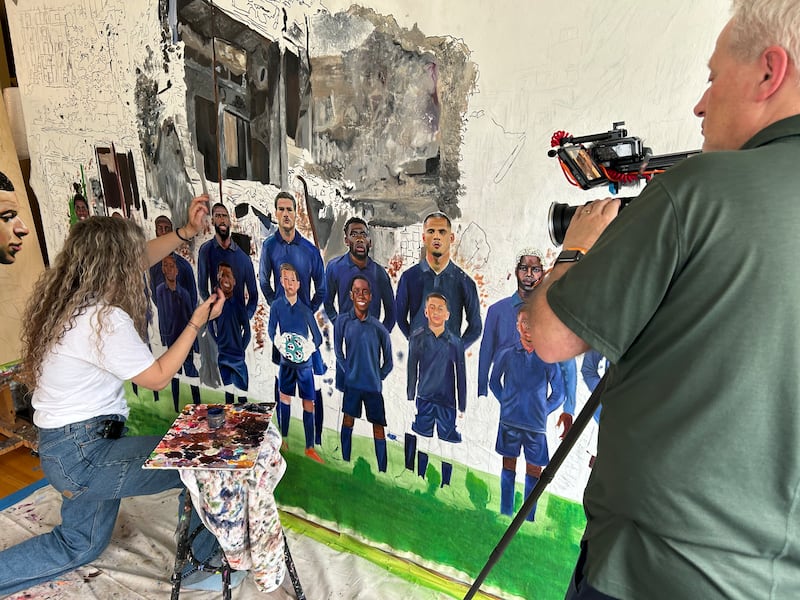
Jackson’s painting will soon hang at the UN headquarters in New York, while a copy will be displayed at Toronto’s Union Station.

